
The U.S. Secret Service has announced the successful dismantling of a sophisticated criminal network capable of crippling telecommunications systems in New York during the United Nations General Assembly (UNGA) — a summit attended by world leaders including Kenya’s President William Ruto.
According to a statement released on Tuesday, the Secret Service’s protective intelligence operation uncovered more than 300 co-located SIM servers and over 100,000 SIM cards strategically deployed across the New York tristate area.
A Major Threat Neutralized
Investigators revealed that the seized equipment could have been used to:
- Launch anonymous telephonic threats
- Disable mobile towers
- Conduct denial-of-service (DoS) attacks
- Provide encrypted communications for criminal networks and potential nation-state actors
Authorities warned that, left unchecked, the network might have disrupted critical communications infrastructure across New York City — posing a direct risk to the safety of visiting presidents, prime ministers, and diplomats.
Possible Links to Nation-State Actors
Preliminary forensic analysis suggests that the dismantled network may have ties to both criminal enterprises and foreign state-linked communications.
Secret Service Director Sean Curran stressed the severity of the discovery, warning:
“The potential disruption to U.S. telecommunications cannot be overstated. Our protective mission revolves around prevention, and any imminent threat to world leaders will always be swiftly neutralized.”
Strategic Timing and Location
The illegal devices were concentrated within a 35-mile radius of the UN headquarters in New York, precisely where the high-profile global event was taking place.
The Advanced Threat Interdiction Unit, a newly formed Secret Service section specializing in countering imminent security risks, spearheaded the rapid-response operation credited with averting a potentially catastrophic cyber-telecom attack.
Ruto’s Role at the Summit
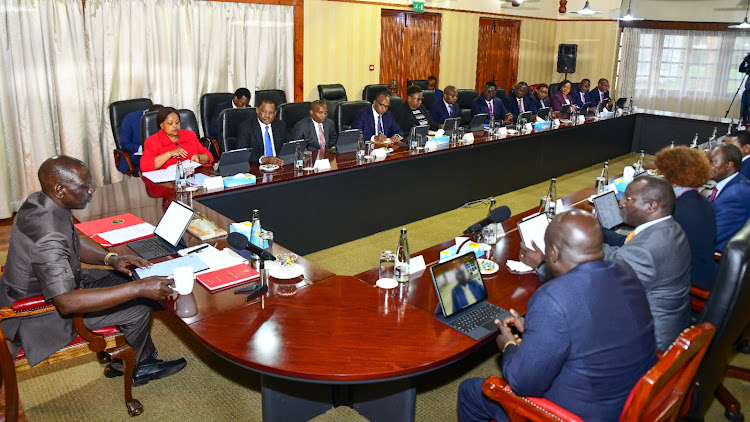
Meanwhile, President William Ruto has continued to engage world leaders at UNGA in bilateral talks focused on strengthening trade, security, and diplomatic partnerships.
The incident underscores the critical intersection of cybersecurity and global diplomacy, with threats no longer confined to physical spaces but extending into digital battlegrounds capable of disrupting world affairs.