
The United States has voiced strong criticism over Kenya’s decision to impose a 50% tariff on U.S. corn imports, a move that is straining trade relations between the two nations. On Monday, April 7, former U.S. President Donald Trump, through the U.S. Department of Trade, called out Kenya for implementing what he described as unfair trade practices.
Kenya’s Tariff and Its Impact on U.S. Farmers
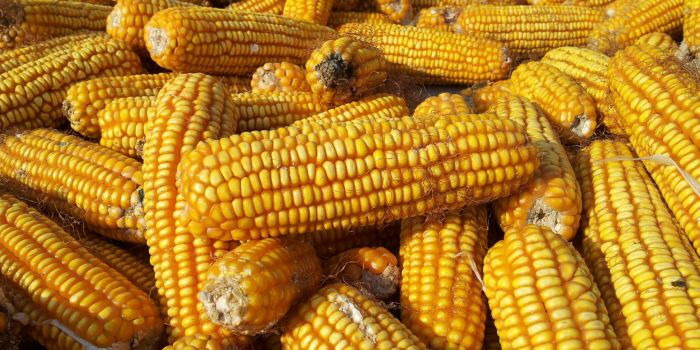
The U.S. Department of Trade pointed out that the 50% tariff, along with regulatory hurdles, has effectively shut U.S. corn exports out of the Kenyan market. Despite Kenya’s growing demand for feed corn, which is valued at $50 million (Ksh6.4 billion) and projected to grow by 30% by 2027, American exporters have been unable to penetrate this promising market.
“Kenya imposes a 50% tariff on imports of U.S. corn and burdensome regulatory requirements, effectively blocking U.S. exports,” read a statement from the Department.
Trump’s Response: “America First” Retaliation
In line with his “America First” agenda, Trump signaled potential retaliatory measures to counter Kenya’s trade barriers. “Securing market access for American farmers will ensure they can compete on a level playing field,” he stated.
In retaliation, Trump introduced a 10% tariff on all Kenyan exports to the U.S. on April 2, impacting Kenya’s $784 million (Ksh109.7 billion) trade with the U.S. Key sectors such as textiles, tea, and coffee, previously exempt under the African Growth and Opportunity Act (AGOA), are now subject to the new tariff, risking reduced exports, job losses, and revenue declines.
Kenya’s Justification for the Tariff
Kenya maintains that the 50% tariff aligns with the East African Community’s (EAC) Customs Union Common External Tariff (CET) and aims to protect local farmers from international competition. By shielding domestic producers, the government hopes to promote self-sufficiency in maize production and ensure fair pricing for farmers.
Despite this, Kenya has previously waived agricultural tariffs during periods of price instability, showcasing flexibility when necessary to stabilize local markets.
Kenya’s Response to U.S. Tariffs
Prime Cabinet Secretary Musalia Mudavadi acknowledged that the new U.S. tariffs pose significant challenges for Kenya’s export-dependent sectors. Speaking at the Inaugural Africa Exchange Meeting in Nairobi on April 7, Mudavadi emphasized the urgency of mitigating the impact of Trump’s policy shifts.
“The government must move swiftly to address the sectors affected by these policies to safeguard our economy,” Mudavadi stated.
Economic Implications of Escalating Tensions
The strained trade relations come at a critical time when Kenya and the U.S. are seeking to expand their economic ties. While the U.S. aims to protect its farmers and industries, Kenya faces the challenge of balancing domestic priorities with international trade commitments.
Experts warn that prolonged trade disputes could disrupt economic growth in both nations, particularly for Kenya, which relies heavily on the U.S. as a key export destination.

