
The workplace as we know it is undergoing a significant transformation. The global shift towards remote and hybrid work models, accelerated by the COVID-19 pandemic, has redefined how businesses operate. As organizations continue to embrace flexibility, the future of work promises opportunities for innovation and productivity. However, it also comes with challenges that require strategic planning and adaptability.
Understanding Remote and Hybrid Work Models
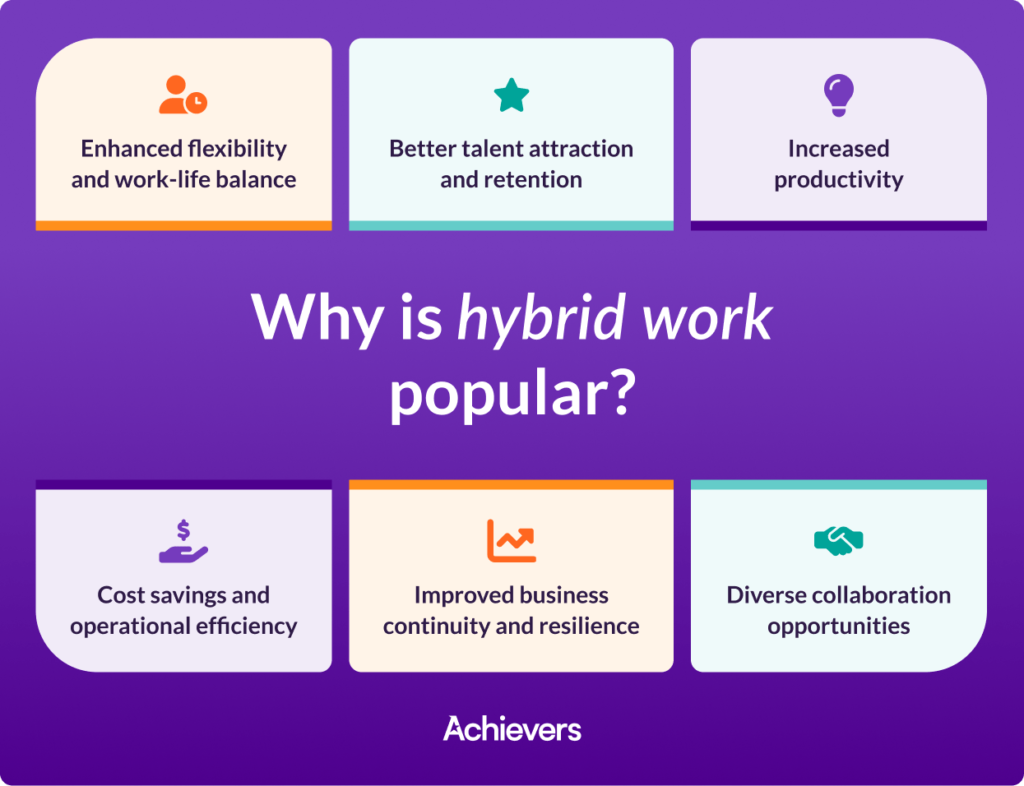
Remote work allows employees to operate from any location, while hybrid work combines in-office and remote work options. Both models prioritize flexibility, enabling employees to balance personal and professional commitments while reducing commuting times. According to a recent study, companies adopting these models have reported improved employee satisfaction and retention rates.
Benefits of Remote and Hybrid Work
- Increased Productivity
Many businesses have discovered that employees working remotely or in a hybrid setup are often more productive. Distractions common in traditional office settings are reduced, allowing employees to focus better on their tasks. - Cost Savings
Organizations can save significantly on operational costs, including office space, utilities, and supplies. Employees also benefit by cutting commuting costs. - Access to a Wider Talent Pool
Remote work breaks geographical barriers, enabling companies to hire top talent from across the globe. This diversity fosters innovation and a competitive edge. - Employee Well-being
Flexibility contributes to better mental health and work-life balance, reducing burnout and absenteeism.
Challenges of Remote and Hybrid Work
Despite its benefits, transitioning to these models isn’t without hurdles:
- Communication Gaps
Without face-to-face interactions, miscommunication can occur. Clear, frequent communication is essential to prevent misunderstandings. - Team Collaboration
Collaborating remotely may hinder team synergy. Companies need to invest in tools that facilitate seamless teamwork. - Security Concerns
Remote work increases the risk of cyberattacks. Businesses must implement robust cybersecurity measures to protect sensitive data. - Employee Monitoring
Managers may struggle to monitor performance effectively in remote settings. Balancing oversight with trust is critical to avoid micromanagement.
Strategies for Adapting to the Future of Work
- Invest in Technology
Equip your team with reliable tools such as project management software, video conferencing platforms, and collaboration apps. Training employees to use these tools is equally important. - Establish Clear Policies
Define expectations for work hours, communication, and performance metrics. Clarity ensures that all employees understand their responsibilities. - Foster a Culture of Trust
Empower employees by focusing on outcomes rather than micromanaging their activities. Trust builds morale and enhances productivity. - Prioritize Mental Health
Offer mental health resources, such as counseling and wellness programs, to support employees navigating the challenges of remote work. - Reimagine Office Spaces
For hybrid models, redesign office spaces to encourage collaboration. Open workstations, meeting pods, and hot-desking can make in-office days more productive.
Looking Ahead
The shift to remote and hybrid work models is not a temporary trend—it’s the future of work. By embracing flexibility, leveraging technology, and fostering a supportive culture, businesses can thrive in this new landscape. The key is to remain adaptable and innovative, ensuring that employees feel valued and equipped to perform their best, no matter where they work.