Churches have traditionally been sanctuaries of faith, solace, and moral guidance. But what happens when those entrusted with leading congregations are accused of betrayal and harm? The recent scandal involving Prophet Peter K from Christ Impact Church in Ruiru has reignited this pressing question.
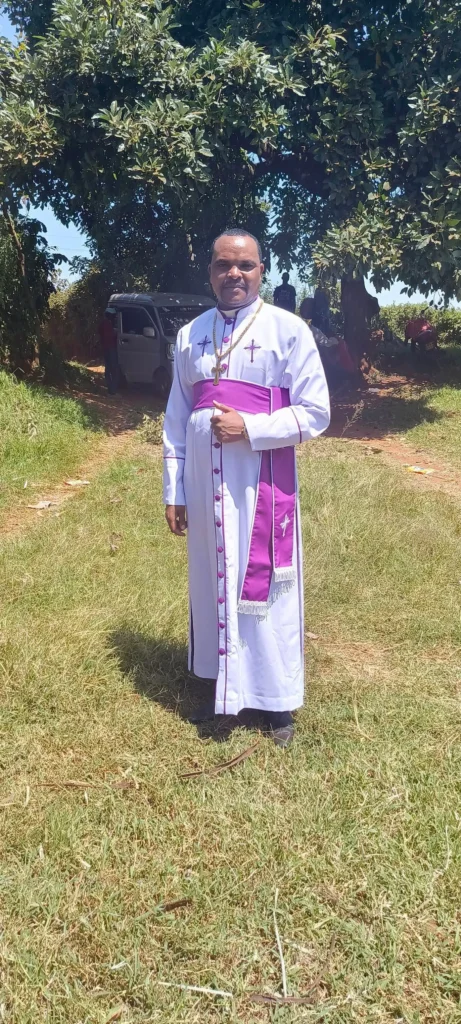
On Sunday, March 2, 2025, angry youths stormed the church, accusing the preacher of drugging and assaulting fellow pastors and male congregants. The confrontation escalated into chaos, with property vandalized and tension spreading across the town. Prophet Peter K vanished, leaving unanswered questions about his alleged misconduct and the growing mistrust toward Kenya’s religious institutions.
Allegations That Shocked a Community
The storm began when Pastor Ben Gitau came forward with a chilling account. He claimed that Prophet Peter K lured him under the guise of ministry collaboration. However, after getting into the preacher’s car in Westlands, Gitau blacked out and later woke up in the hospital with severe injuries.
His testimony, shared during a TikTok Live session, revealed that he required surgery at St. Francis Hospital in Kasarani. This revelation enraged many, sparking the violent protests at Christ Impact Church.
A Pattern of Betrayal in Religious Spaces
This scandal isn’t an isolated incident. Kenya has witnessed an alarming rise in controversies involving church leaders, raising concerns about the moral integrity of religious institutions.
From Pastor Paul Mackenzie’s chilling fasting-to-death cult to Pastor Kanyari’s fake miracle schemes, and even a deadly love triangle between SDA pastors, these cases reveal the dark side of some spiritual leaders.
Such incidents erode public trust, leaving many to question whether the church has strayed too far from its intended purpose.
The Church as a Business and Political Tool
Over the years, churches in Kenya have become more than places of worship. They are now major financial entities, with some pastors flaunting lavish lifestyles funded by congregants. Mansions, luxury cars, and international trips have replaced the image of humble servants of God.
Adding to the complexity, the church has become intertwined with politics. Politicians frequently use religious platforms to curry favor with voters, while rogue pastors enjoy protection from powerful allies.
This fusion of religion, business, and politics raises critical questions:
- Are corrupt pastors shielded from justice by their connections?
- How many scandals go unpunished because of these ties?
The Rise of Social Media and Questioning Faith
In the digital age, many pastors have turned to platforms like TikTok to spread their message—or, in some cases, promote themselves. While social media can be a valuable tool for ministry, it also blurs the line between spiritual leadership and personal branding.
For some congregants, this shift feels more like a hustle than a mission, leaving them disillusioned with organized religion.
A Crisis of Faith Among Young People
Younger generations, particularly Gen Z, are no longer hesitant to question authority—including the church. They are unafraid to call out wrongdoing, as seen in the June 2024 protests where they boldly criticized government failures.
Now, many are turning their scrutiny toward religious institutions. They are asking hard questions:
- When does an error become intentional harm?
- Can a flawed system still claim moral authority?
This growing skepticism could signal a cultural shift in how faith is perceived and practiced.
Signs of the End Times?
For some, scandals like Prophet Peter K’s are interpreted as signs of the “end times,” referencing biblical warnings in 2 Timothy 3:1-5. These verses describe a future where people are “lovers of money, boastful, abusive… having a form of godliness but denying its power.”
Others argue that society has normalized the abnormal, allowing injustices in the name of faith to persist unchecked.
What Lies Ahead?
While not all churches are corrupt and many pastors remain committed to their faith, repeated scandals have cast a long shadow over religious institutions.
As Prophet Peter K remains in hiding, the residents of Ruiru demand justice. Will their calls be answered, or will this case join the growing list of unresolved church controversies?
The church, once a moral beacon, now faces a reckoning. It must address its identity crisis or risk alienating a generation that values accountability and integrity.