Teachers in Kenya face numerous financial challenges that undermine their well-being and professional performance, according to insights shared by Mr. Abol Kings, a senior high school teacher. He detailed the economic hurdles educators endure while trying to balance their professional responsibilities with financial obligations.
Remuneration Challenges
Mr. Kings explained that teachers’ financial struggles begin with the rigid pay structures of the Teachers Service Commission (TSC). He noted that a graduate teacher in Job Group C2 earns a basic salary of approximately KSh 36,000. However, after statutory deductions like PAYE, SHA, NSSF, and SACCO loan repayments, their take-home pay shrinks to about KSh 25,000.
With high living costs in urban areas, half of this amount typically goes to rent, leaving little for transportation, school meals, utilities, groceries, and unexpected emergencies. Savings become almost unattainable.
Rising Cost of Living
The teacher highlighted how inflation exacerbates the problem. Over the years, consumer prices have risen significantly while salary adjustments have lagged. He cited examples such as the cost of a five-litre container of cooking oil increasing from KSh 600 in 2015 to around KSh 1,500.
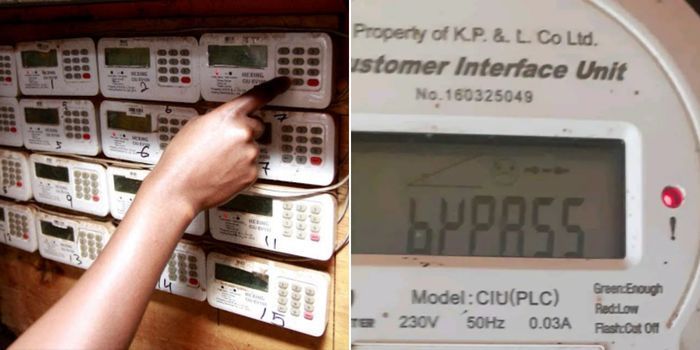
He also pointed out that price shocks on essential items like electricity and stationery continue to erode the purchasing power of teachers, who are also consumers in the same economy.
Reliance on Side Hustles
To supplement their income, many teachers turn to side hustles such as private tuition, farming, or online freelancing. Mr. Kings shared that while these endeavors provide a financial cushion, they come at the cost of time and energy, often leading to burnout.
He remarked that the fatigue from juggling multiple roles eventually affects classroom performance, undermining the educational quality teachers strive to maintain.
Burden of Debt
Mr. Kings disclosed that debt is a common trap for teachers, with SACCOS and microfinance institutions frequently targeting them due to their perceived financial stability. He recounted taking a development loan early in his career, only to find the repayment period outlasting the assets he had purchased.
Many teachers also resort to digital lending apps, often at exorbitant interest rates, creating a vicious cycle of borrowing and repayment struggles.
Social Expectations
Cultural and social expectations add to the financial strain, Mr. Kings revealed. Teachers are often viewed as community leaders and are expected to contribute to familial, religious, and communal obligations. Saying “no” to these demands can feel incongruent with their perceived role in society, leading many to take on additional loans to meet these expectations.
Pathways to Financial Stability
Mr. Kings emphasized the need for systemic changes, including renegotiating salary scales to match inflation, offering timely promotions, and adjusting housing allowances to reflect real market rates.
He also advocated for comprehensive financial literacy programs that focus on practical budgeting, prudent borrowing, and sustainable investing. Partnering with reputable SACCOs to incentivize saving rather than impulsive credit could also make a significant difference.
Recognizing the Value of Teachers
According to Mr. Kings, a societal shift is necessary to value educators appropriately. He highlighted that Kenya’s Vision 2030 relies on a knowledge-based economy, yet educators remain undervalued. Fair compensation, he argued, is not an act of charity but an investment in national development.
Until these changes are realized, many teachers like Mr. Kings continue to grapple with financial uncertainty, working tirelessly to shape the future while struggling to secure their present.