The Social Health Authority (SHA) recently declined to enroll more than 360,000 Kenyan teachers under its health insurance scheme, citing insufficient infrastructure to support nationwide coverage.
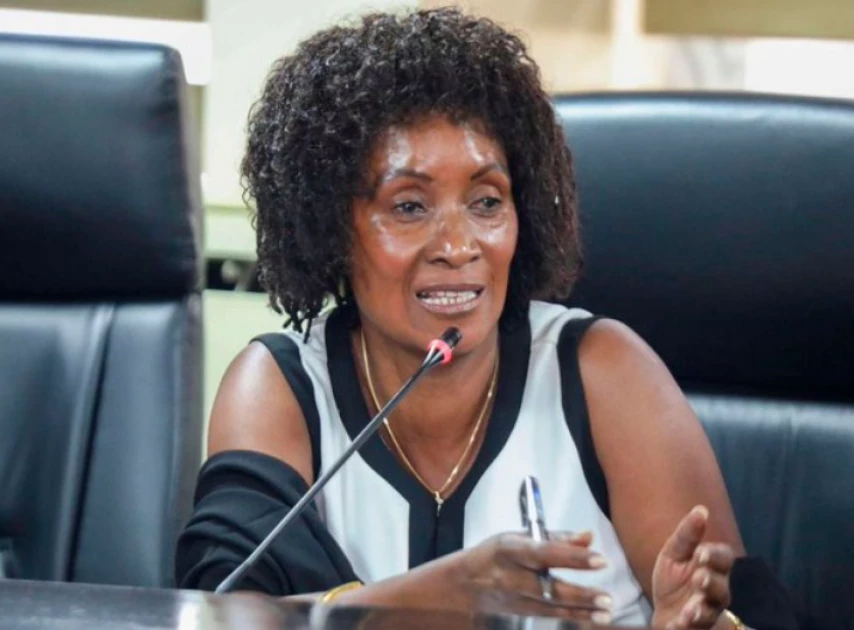
TSC CEO Nancy Macharia’s Disclosure
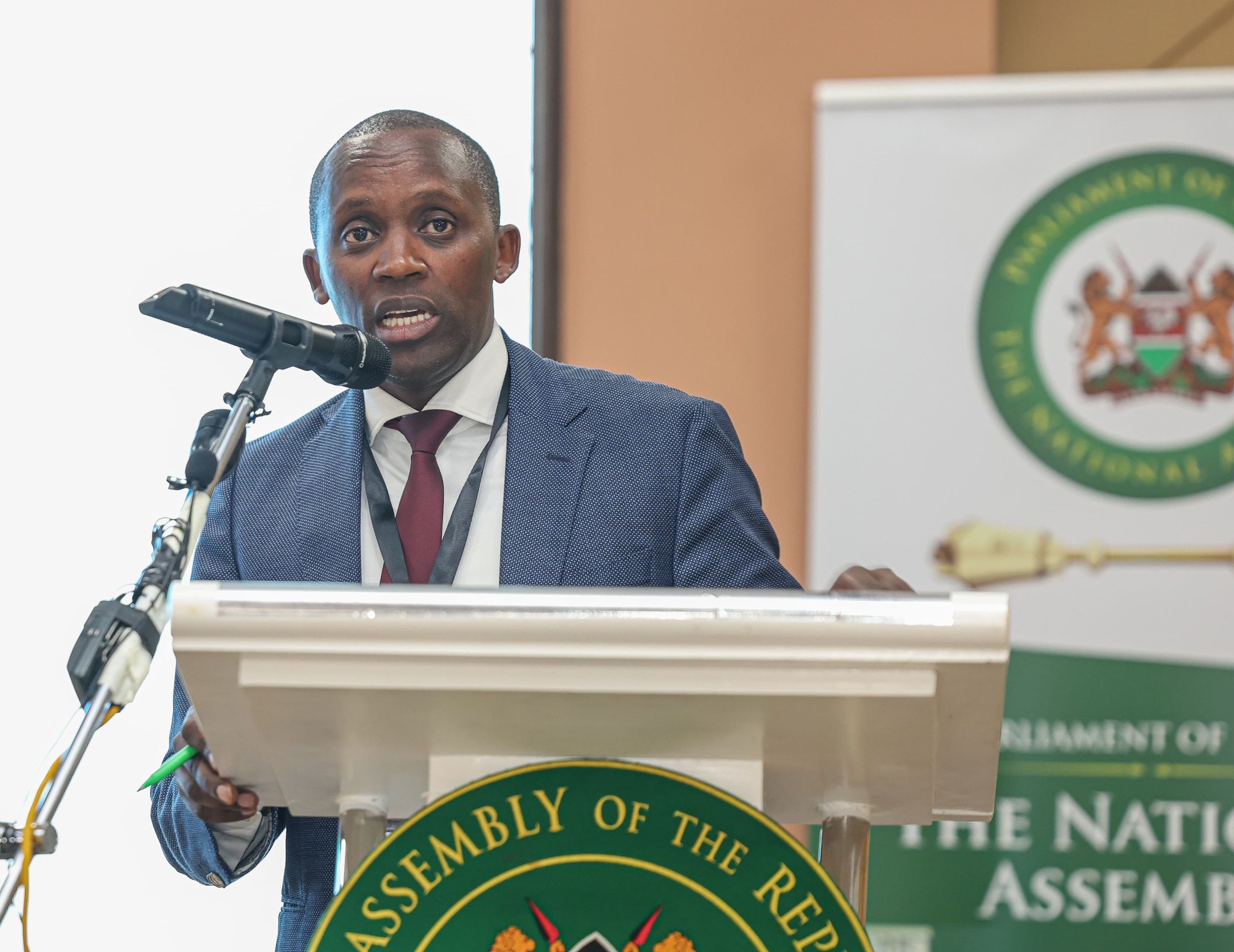
Addressing the National Assembly Education Committee, Teachers Service Commission (TSC) CEO Nancy Macharia revealed the challenges encountered in transitioning teachers to SHA. Macharia explained that despite efforts to move educators into a public health insurance program, SHA acknowledged its limitations in meeting the scale of such a commitment.
“We explored onboarding teachers to SHA last year when challenges arose with Minet. Unfortunately, SHA informed us they lacked the infrastructure and required Ksh.37 billion to accommodate teachers, even then stating they weren’t ready for this year,” Macharia told the committee.
Teacher Frustrations with Minet Insurance
The current arrangement with Minet, backed by a Ksh.20 billion contract, has faced widespread criticism from educators, who report delays and inadequate healthcare services.
National Assembly Education Committee Chairperson Julius Melly shared a harrowing account of a teacher held in solitary confinement for three months over unpaid hospital bills, despite being insured.
“This insurance arrangement is a convoluted mess — it’s failing our teachers. You need to reevaluate this approach and consider other options,” said Melly.
Calls for Decentralized Healthcare Access
Luanda MP Dick Maungu proposed grouping teachers into regional clusters based on job grades or locations to streamline the healthcare approval process.
“With Bliss Health Care serving as the master capitator, the centralized system is overwhelmed. Clustering teachers would reduce bottlenecks and delays,” Maungu suggested.
Funding Challenges and Way Forward
Macharia attributed the inability to provide comprehensive medical coverage to limited funding and inconsistent disbursements. She urged the committee to allocate additional resources and ensure timely payments to healthcare providers.
“To deliver top-notch healthcare services, our teachers need comprehensive insurance. However, budget constraints and delayed payments make this goal unattainable,” she said.