
According to Alfieri, Pope Francis deeply wished he could have performed the foot-washing ritual for prisoners during the Church’s Holy Thursday celebrations. Though he had visited prisoners on April 17, he expressed sorrow that he was unable to include the symbolic act of humility in his visit.
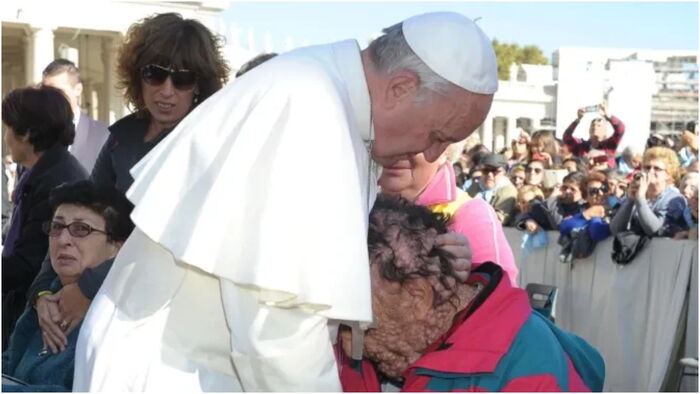
“He Regretted Not Washing Their Feet”
“He regretted that he could not wash the feet of the prisoners. This time I couldn’t do it’ was the last thing he said to me,” Alfieri shared. The doctor’s words paint a vivid picture of the pope’s enduring compassion and his unwavering commitment to embodying the principles of service and humility.
The Final Hours
Dr. Alfieri, who had treated Pope Francis earlier in the year for pneumonia, recounted the moments leading to the pontiff’s passing. He received an urgent call at 5:30 AM on April 21 and arrived at the Vatican within 20 minutes. Upon entering the pope’s room, he found him conscious but unresponsive.
“When I entered, his eyes opened briefly. I checked for respiratory problems and called his name, but there was no response. At that moment, I knew there was nothing more to do. He had slipped into a coma,” Alfieri recalled in an interview with Corriere della Sera.
A Difficult Decision
As Pope Francis lay unconscious, officials present in the room deliberated on whether to rush him to the hospital. Ultimately, they decided against it, concluding that the pontiff’s condition was too severe for transportation.
“Doing a CT scan might have given us a more precise diagnosis, but it wouldn’t have changed the outcome. It was one of those strokes that claims a life within an hour,” Alfieri explained.
A Legacy of Humility
Despite battling illness, Pope Francis adhered to his doctors’ advice, avoiding unnecessary strain. His final regret, rooted in his inability to perform a simple act of humility for prisoners, underscores his profound dedication to compassion and service.
As the world reflects on Pope Francis’ remarkable legacy, his last wish—to have washed the feet of those often forgotten by society—stands as a powerful testament to his enduring message of love and humility.