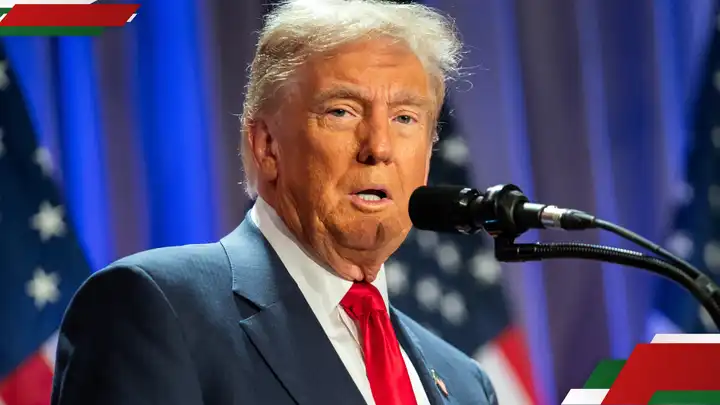
Kenya has suffered a major setback after the United States Agency for International Development (USAID) halted 72 out of 83 active projects, following President Donald Trump’s directive to freeze foreign aid for 90 days. The move, part of Trump’s “America First” policy, aims to review US foreign development assistance, causing significant disruptions in Kenya’s health, education, trade, and conservation sectors.
Impact of USAID Funding Cuts in Kenya
📉 72 projects permanently shut down
✅ Only 11 projects will continue until 2026-2029
💰 Ksh15 billion in funding lost
👷 Thousands of jobs at risk
Key Areas Affected by Project Termination
The termination of these USAID-funded initiatives has crippled several crucial sectors in Kenya:
❌ Education: Literacy programs, higher education transformation
❌ Trade & Private Sector: Business reforms, resilience building
❌ Agriculture & Food Security: Community capacity building, irrigation
❌ Water & Sanitation: Clean water access, hygiene programs
❌ Wildlife Conservation: Anti-poaching efforts, environmental sustainability
❌ Governance & Anti-Corruption: Electoral governance, fraud prevention
❌ Health Initiatives: Digital health, social inclusion, disability support
Several academic and research institutions, including the University of Nairobi and Strathmore University, along with government-linked organizations like the Kenya Wildlife Service (KWS) and civil society groups, have also been impacted.
The 11 USAID Projects That Survived the Cuts
Despite the mass shutdown, 11 projects focusing on healthcare and social welfare will remain active. These include:
✔ HIV/AIDS service delivery
✔ Tuberculosis (TB) diagnosis and prevention
✔ Health supply chain strengthening
✔ Child protection & DREAMS programs (for vulnerable children and youth)
Organizations such as AMREF Health Africa, Moi Teaching and Referral Hospital (MTRH), and Christian Health Association of Kenya (CHAK) will continue their work in these key areas.
What This Means for Kenya’s Future
The abrupt termination of funding means:
🔺 Increased pressure on Kenya’s healthcare system to sustain critical interventions
🔺 Education and job losses in sectors that relied on US aid
🔺 Weakened conservation efforts, putting endangered wildlife at risk
🔺 Slower economic growth due to reduced trade and agricultural support
With the USAID aid freeze in effect, Kenya faces an uncertain future in development and social welfare programs. The Kenyan government may need to seek alternative funding sources to sustain these crucial initiatives.