The Central Bank of Kenya (CBK) is considering acquiring additional gold reserves as part of its strategy to diversify foreign exchange holdings, moving beyond the heavy reliance on the US dollar and other major currencies.

CBK Governor’s Statement
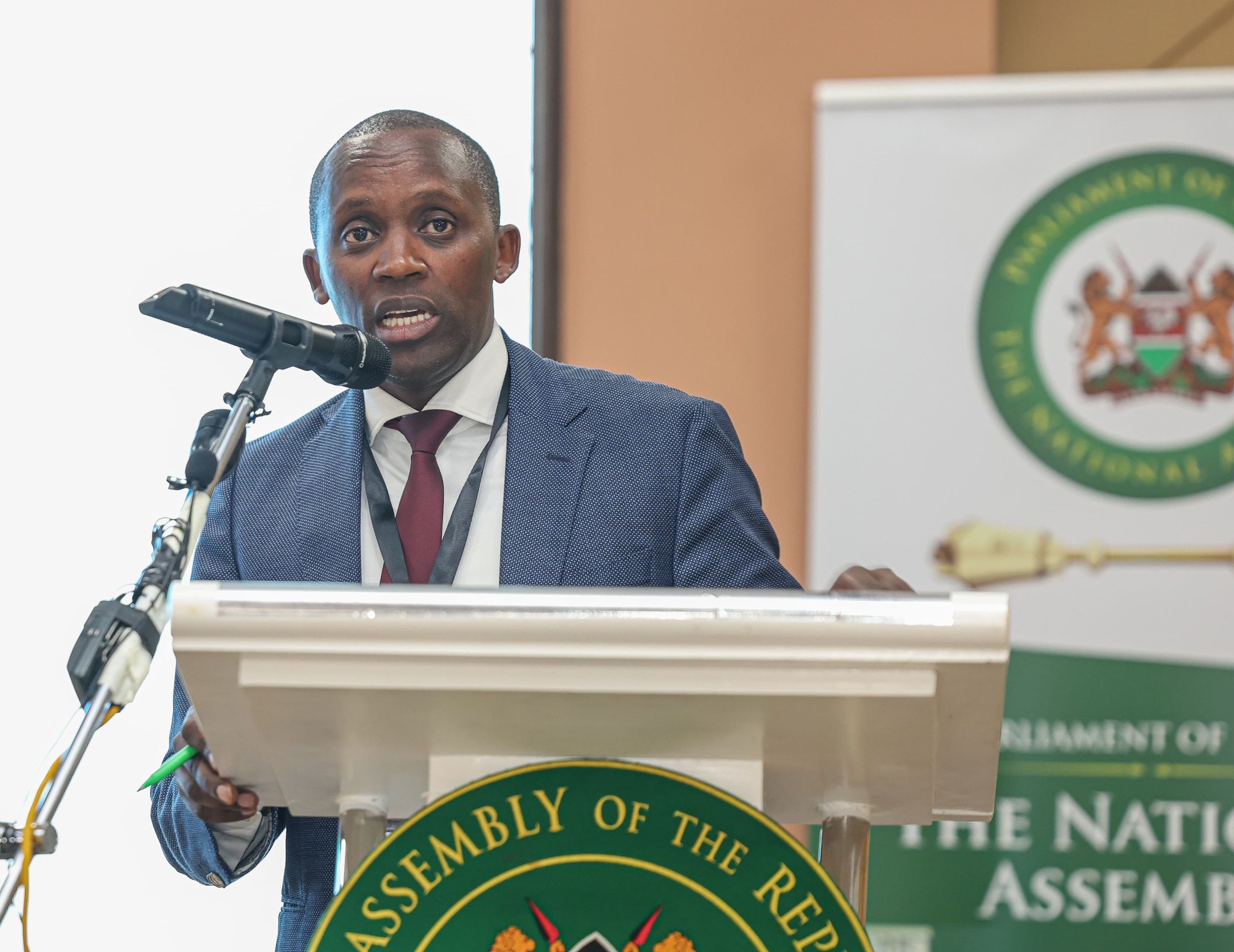
CBK Governor Kamau Thugge disclosed the institution’s plans in an interview with Bloomberg, stating that a dedicated team is assessing the feasibility of increasing gold reserves. However, Thugge did not provide a specific timeline for this initiative.
“We have a team actively exploring the feasibility of adding gold to our reserves. It’s something we are seriously considering,” Thugge stated during the International Monetary Fund (IMF) and World Bank Spring Meetings.
Current Gold Holdings
Kenya’s current gold reserves are valued at approximately Ksh169 million ($1.3 million), equating to 600 ounces (about 20 kilograms), according to the latest CBK report. These reserves are a fraction of the country’s holdings before 1998, when most of its gold was sold.
Globally, central banks and investors are increasingly stockpiling gold, driven by the metal’s ability to hedge against dollar risks and mitigate the impact of economic sanctions. Rising geopolitical tensions and economic uncertainties have pushed the price of gold to an all-time high of $3,302 (Ksh428,467) per ounce, a 40% increase from previous years.
Diversification to Reduce Risks
Kenya’s gold holdings contrast sharply with its substantial dollar reserves, which stood at $9.6 billion (Ksh1.2 trillion) as of November 2024. Gold accounts for a mere 0.016% of the country’s total reserves, underscoring the limited role of the metal in Kenya’s financial security framework.
This reliance on the dollar exposes the country to significant risks associated with currency fluctuations, a vulnerability the CBK aims to mitigate by diversifying its asset portfolio.
IMF Loan and Financial Strategy
In addition to gold acquisition plans, Thugge announced that Kenya would receive another concessional loan from the IMF by the end of the year. He highlighted the favorable terms of the loan, stating that it provides a strong financial buffer amid global economic challenges.
“The concessional nature of the IMF funds and the attached policy package make it a timely and beneficial arrangement given the heightened global risks,” Thugge noted.
Kenya also issued a Eurobond last month, enabling the government to restructure existing debt and reduce its reliance on additional foreign loans.
“Our deep local financial markets can support the budget, and we are also exploring financing opportunities from other regions, including the Middle East,” Thugge added.