The Mombasa County Government has raised an alert following an outbreak of Chikungunya, a mosquito-borne viral disease, with health officials confirming 25 positive cases out of 45 samples tested by the Kenya Medical Research Institute (KEMRI).
Deputy Manager of the Emergency Operations Center, Fatma Ali, disclosed during a press briefing on June 4 that Mvita, Nyali, Likoni, and Kisauni sub-counties are the hardest hit areas. The outbreak has been linked to the ongoing rains, which have created optimal breeding conditions for mosquitoes.
What Is Chikungunya?
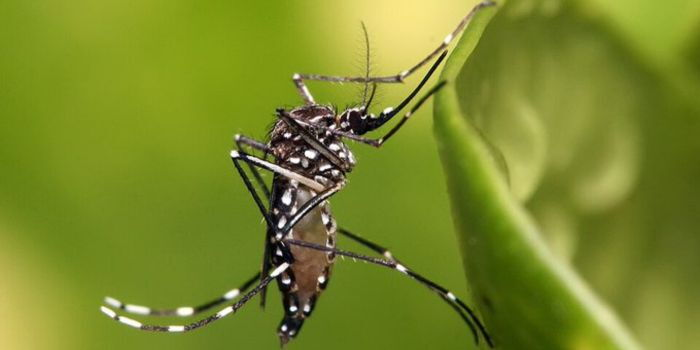
Chikungunya is caused by the Chikungunya Virus (CHIKV) and is transmitted primarily by infected female Aedes aegypti and Aedes albopictus mosquitoes. Unlike malaria-transmitting mosquitoes, which are active at night, these mosquitoes typically bite during daylight hours.
The disease, first identified in Tanzania in 1952, is generally self-limiting, but vulnerable populations such as children, the elderly, and individuals with preexisting health conditions are at a higher risk of severe complications, including organ damage or death.
Symptoms of Chikungunya
Symptoms usually appear 4–8 days after being bitten by an infected mosquito and may include:
- Severe joint pain (lasting days, months, or even years)
- Fever
- Muscle pain
- Joint swelling
- Headache
- Fatigue
- Nausea
- Rash
The name “Chikungunya” originates from the Kimakonde language of southern Tanzania, meaning “that which bends up,” referencing the posture of those afflicted by the disease due to extreme joint pain.
Management and Prevention
While there is no specific cure for Chikungunya, clinical management focuses on alleviating symptoms.
- Pain Relief: Paracetamol or acetaminophen is recommended for reducing fever and joint pain.
- Hydration and Rest: Drinking fluids and ensuring adequate rest can reduce symptom severity.
The World Health Organization (WHO) notes that two vaccines have received regulatory approvals, but they are not yet widely available.
To reduce the risk of infection:
- Wear clothing that minimizes skin exposure.
- Use insect repellents containing DEET, IR3535, or icaridin.
- Install window and door screens to keep mosquitoes out.
- Sleep under mosquito nets, especially during the day.
- Eliminate stagnant water where mosquitoes can breed.
Community and Government Response
The Mombasa County Government has launched fumigation and spraying campaigns across affected areas, alongside awareness drives to educate residents on preventive measures.
“It is crucial that residents collaborate with the government to eliminate mosquito breeding grounds. Removing stagnant water and maintaining cleanliness in our surroundings will support the ongoing efforts to control the disease,” stated Fatma Ali.
Residents are urged to remain vigilant and proactive in protecting their families from mosquito bites during this period of heightened risk.