
While Nairobi’s notorious traffic jams frustrate commuters, they also create lucrative opportunities for several businesses. From hawkers peddling wares to industries leveraging prolonged idle time, traffic congestion supports a unique economy that thrives on the city’s gridlock.
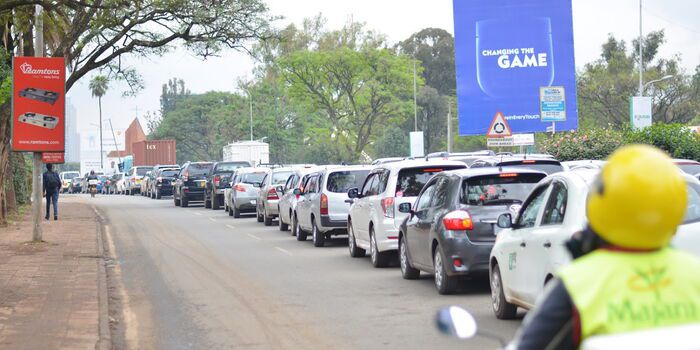
Here’s a look at six businesses that profit from Nairobi’s daily traffic woes.
1. Hustling Hawkers and Street Vendors
Hawkers in Nairobi have mastered the art of turning congestion into commerce. With their “we come to you” approach, they target idle drivers and passengers, selling everything from snacks and drinks to car accessories and household items.
Morning rush hours are particularly lucrative as commuters are more inclined to make impulse purchases. Some vendors even board matatus to market their products directly, maximizing reach and sales.
2. Billboards and Radio Advertising
The advertising industry capitalizes heavily on Nairobi’s slow-moving traffic. Stationary vehicles mean more time for passengers to absorb billboard content, making it a prime opportunity for advertisers.
Illuminated billboards gain prominence during evening rush hours, drawing attention from commuters stuck in gridlock. Radio stations also profit from traffic, airing high-value ads during peak times when listenership spikes.
3. Fuel Stations Benefit from Idling Engines
The prolonged stop-and-go nature of Nairobi traffic leads to increased fuel consumption, driving up business for fuel stations. Frequent refueling needs keep these stations buzzing, and many supplement income with convenience stores and car washes that attract weary drivers.
4. Boda Boda: The Kings of Quick Commutes
Motorcycles, locally known as boda bodas, are a lifeline for commuters trying to escape traffic jams. Their ability to weave through gridlocked roads makes them a preferred option for those in a hurry.
The boda boda industry not only thrives on Nairobi’s congestion but also supports thousands of livelihoods, making it a vital pillar of the city’s informal economy.
5. Mechanics and Auto Repair Shops
Hours of idling and frequent stop-and-go driving take a toll on vehicles, increasing demand for mechanics and spare parts dealers. From worn-out brakes to overheating engines, traffic jams create consistent work for repair shops across Nairobi.
6. Real Estate Booms Near Workplaces
The desire to escape lengthy commutes has spurred demand for housing near Nairobi’s Central Business District (CBD) and other commercial hubs. Developers and landlords in these prime locations enjoy high rental incomes as professionals seek homes closer to work.
This trend has fueled a surge in real estate investments, with many developers focusing on areas with quick access to major business districts.
Conclusion
While Nairobi’s traffic jams cost the economy billions annually in lost productivity, they also provide a lifeline for businesses that depend on congestion. From hawkers to fuel stations and real estate developers, the ripple effects of traffic create a dynamic, if frustrating, economic ecosystem.