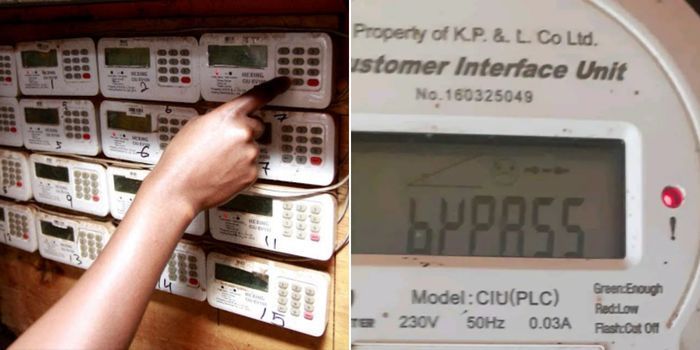
Did you know that if your landlord disconnects water or electricity to your home without following due process, you could sue them and potentially earn compensation of up to Ksh200,000? Many Kenyans, especially in January when financial strain is common, face such challenges but remain unaware of their legal rights.
This guide will walk you through the steps you can take to hold your landlord accountable and secure justice.

Understanding Your Rights as a Tenant
Kenyan law, under the Landlord and Tenant (Shops, Hotels, and Catering Establishments) Act, protects tenants from harassment, including wrongful disconnection of utilities. Section 12 of the Act mandates landlords to provide uninterrupted services unless a legal agreement states otherwise. Any disconnection without proper notice is considered harassment and a violation of your rights.
The case of Joseph Njoroge v. Peter Karanja (2020) set a precedent when a tenant won Ksh200,000 in damages after his landlord disconnected utilities and evicted him without notice. The court found the landlord’s actions illegal and ordered compensation for the stress and inconvenience caused.
Steps to Take When Utilities Are Cut Off
If your landlord unlawfully disconnects your power or water supply, follow these steps to seek justice:
- Issue a Demand Letter
Write to your landlord, outlining the illegality of their actions and requesting immediate restoration of services. This step demonstrates your willingness to resolve the issue amicably. - File a Complaint
If the landlord fails to act, escalate the matter:- Rent Restriction Tribunal: Handles disputes for units with monthly rent below Ksh2,500.
- Environment and Land Court: For rental units with higher monthly rent or more complex landlord-tenant disputes.
- Seek Compensation
Courts consider factors such as the financial and emotional strain caused by the disconnection. Compensation typically ranges between Ksh50,000 and Ksh200,000, depending on the severity of the landlord’s actions.
Alternative Solutions Outside Court
If pursuing legal action seems daunting, you can contact local utility providers (water or electricity companies) for intervention. However, this approach can be tricky since landlords often hold the legal contract with these providers.
Protecting Yourself as a Tenant
Understanding your rights is the first step toward protecting yourself from exploitation. Landlords are legally bound to maintain essential services unless proper notice and procedures are followed.
While compensation isn’t fixed, cases like Joseph Njoroge’s demonstrate that Kenyan courts take tenant harassment seriously. With the right approach, you can not only restore services but also hold landlords accountable for their actions.