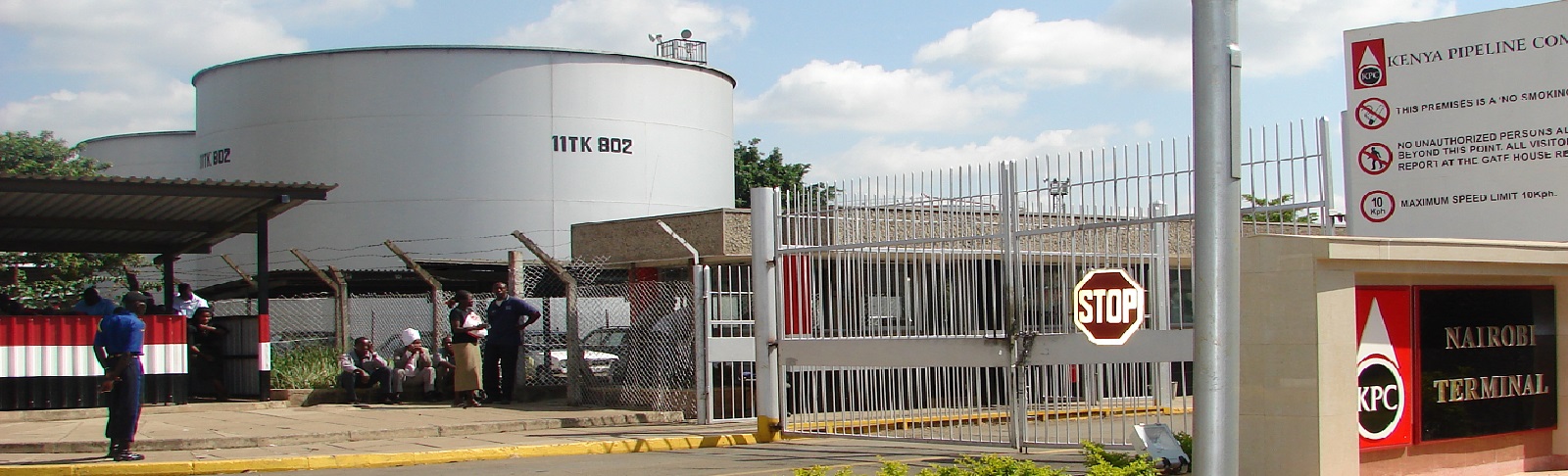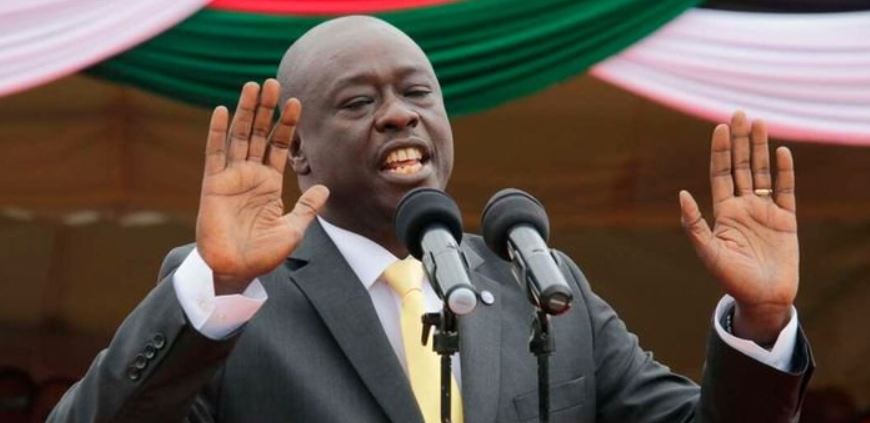
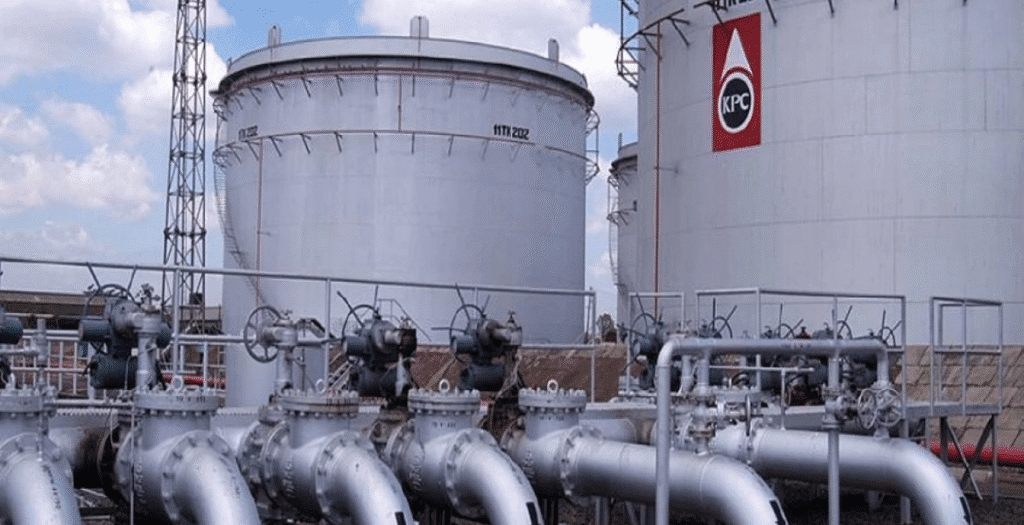
President William Ruto has officially announced that Kenya Pipeline Company (KPC) will be listed on the Nairobi Securities Exchange (NSE) through an Initial Public Offering (IPO) before the end of 2025. The move signals a bold push by the government to unlock investment opportunities and modernize state-owned enterprises through strategic privatization.
A MAJOR BOOST TO CAPITAL MARKETS
Speaking at the London Stock Exchange market opening ceremony during his official visit to the United Kingdom, President Ruto said the KPC listing is part of his administration’s larger plan to open up Kenya’s capital markets and attract both local and foreign investors.
“We are committed to a structured, time-sensitive programme that identifies and prepares a robust pipeline of key government assets to be privatised through the stock exchange or enhanced through private sector participation,” Ruto stated.
“As part of this initiative, we plan to list the Kenya Pipeline Company through an IPO in 2025, offering investors a unique opportunity to deploy capital in one of Kenya’s most strategic infrastructure enterprises.”
TREASURY BACKS THE IPO PLAN
Treasury Cabinet Secretary John Mbadi, who initially floated the idea in February 2025, welcomed the confirmation. He noted that KPC’s strong financial performance—evidenced by its Ksh.10.5 billion dividend payout to the exchequer—makes it a strong candidate for public trading.
Mbadi emphasized that listing on the NSE will not only allow KPC to raise capital for its regional expansion, including into the Liquefied Petroleum Gas (LPG) sector, but will also offer Kenyans a chance to own a stake in the national energy infrastructure.
“KPC’s listing will inject liquidity into the market, support regional growth ambitions, and increase public ownership. Just as we’ve seen with KenGen and Safaricom, listing boosts transparency and competitiveness,” he said.
KPC TO JOIN ELITE CLUB OF NSE-LISTED STATE FIRMS
Upon listing, KPC will join the ranks of Kenya Power, Kenya Electricity Generating Company (KenGen), and Kenya Reinsurance Corporation (Kenya Re)—state-linked firms that have been publicly traded for years.
Though Safaricom is not a parastatal, the government retains a significant stake (approximately 35%), making it a reference point for the potential success of such listings.
BIGGER PLANS ON THE HORIZON FOR KPC
As part of its expansion strategy, KPC plans to establish a regional petroleum trading hub in Mombasa. This initiative will streamline the receipt, storage, and distribution of fuel across East Africa. The company is also working to integrate the Kenya Petroleum Refineries Limited (KPRL) into its operations, further strengthening its strategic role in Kenya’s energy sector.