The World Bank has voiced significant concerns over Kenya’s increasing involvement in business ventures, cautioning that this trend is stifling private sector growth and undermining fair market competition.
In its latest report, Levelling the Playing Field, published on Tuesday, June 24, the global financial institution outlined how state-owned enterprises (SOEs) in Kenya often enjoy undue advantages through favourable regulations. This, according to the report, creates an uneven playing field for private firms that could otherwise deliver goods and services more efficiently.
State-Controlled Dominance
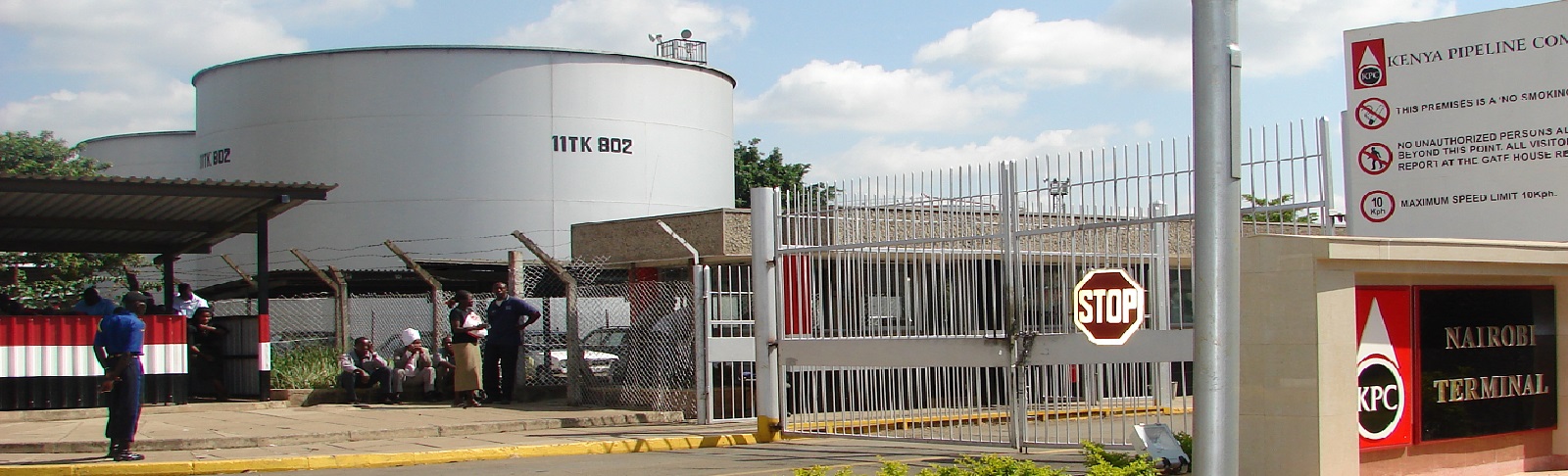
The World Bank highlighted that more than half of Kenya’s major industries are dominated by government-operated businesses. These include sectors like hospitality, manufacturing, wholesale, and retail trade—areas where private firms are well-positioned to excel.
“State participation in markets that can be effectively served by the private sector further limits prospects,” the report noted. “In countries such as Ghana, Kenya, and Uganda, close to or more than half of the sectors had businesses with state ownership operating in them.”
Kenya’s situation mirrors challenges faced in other African nations such as Ethiopia, South Africa, Uganda, and Ghana, where SOEs similarly benefit from preferential treatment that hinders private sector competition.
Debt Concerns Weighing Heavy
The World Bank also expressed alarm over Kenya’s rising sovereign debt, which has become a major obstacle to economic progress and poverty reduction. Alongside Ethiopia and Ghana, Kenya is grappling with unsustainable debt levels that have reversed some of the gains made in previous years.
“In 2024, Ethiopia, Ghana, and Kenya are grappling with high levels of sovereign debt that have undone some of their past success and weakened the link between growth and the pace of poverty reduction,” the report stated.
The multilateral lender warned that Kenya’s failure to address these fiscal challenges could exacerbate economic vulnerabilities, leaving the country more exposed to external shocks.
Call to Address Corruption
Adding to its concerns, the World Bank recently warned Kenya of the dire consequences of unchecked corruption. In a May 27 report, the lender projected severe outcomes, including a potential GDP per capita reduction and a 6% increase in poverty levels, if graft continues unabated.
The report emphasized that addressing corruption is not only critical for sustaining debt but also for fostering a healthier business environment that encourages private investment.
What This Means for Kenya
The World Bank’s critique underscores the need for a strategic shift in Kenya’s economic approach. By reducing its dominance in industries better served by the private sector and addressing fiscal inefficiencies, the country can foster a more competitive and dynamic market.
President William Ruto’s administration now faces mounting pressure to implement reforms that balance state involvement and private enterprise while taking decisive action to curb corruption and stabilize debt levels.