Wednesday, October 1, 2025 – Tension gripped the busy Jua Kali area after President William Ruto’s influential aide, Farouk Kibet, allegedly ordered a blanket ban on truck parking at the center, leaving residents and traders furious.
The controversy began when one truck, maneuvering through the crowded center, inadvertently blocked a vehicle in Farouk’s convoy. What followed shocked many: eyewitnesses claim Farouk, angered by the delay, immediately directed that trucks should no longer be allowed to park or operate at the area.
His order, delivered on the spot, instantly threw the vibrant trading hub into confusion. Truck drivers, who rely on Jua Kali as a key stopover and business point, were enraged by what they termed an “arbitrary and oppressive directive.” Traders joined the uproar, fearing that the restriction would cripple business in the area, which thrives on transport and logistics activity.
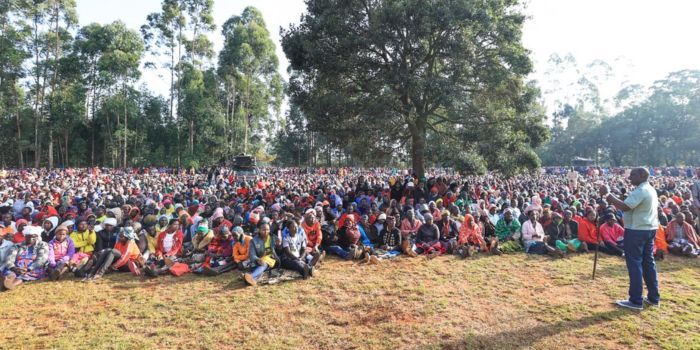
Videos from the scene show residents and drivers chanting in protest, accusing Farouk of abusing power due to his close ties with State House. “This is not his land. He cannot wake up and dictate how we live,” one angry driver shouted as others echoed the sentiment.
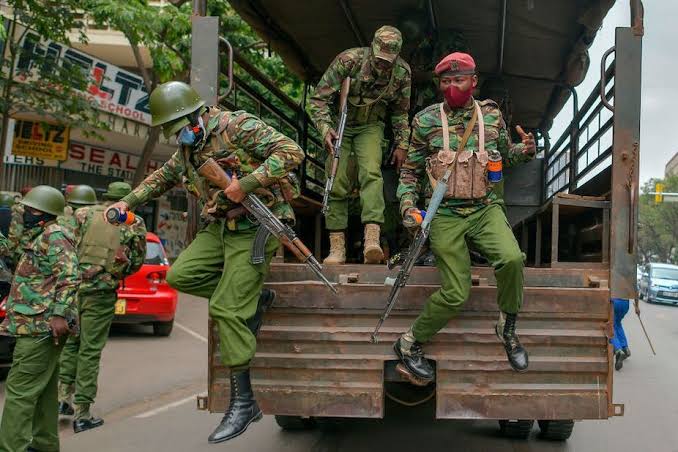
The County Police Commandant was quickly called in to defuse the growing unrest. After holding tense talks with drivers and traders, he assured residents that discussions would be held with relevant authorities to prevent unfair treatment. The intervention prevented what could have spiraled into violent clashes.
Farouk Kibet, widely seen as President Ruto’s closest political confidant, has long been a controversial figure, with critics accusing him of throwing his weight around in government circles. His latest move has reignited debate about the unchecked influence of presidential aides and how their personal decisions impact ordinary Kenyans.
For now, truck drivers and locals are demanding that the directive be rescinded, warning that they will not tolerate being “bullied in their own community.” The incident has sparked a broader national conversation on power, privilege, and accountability among those close to the presidency.