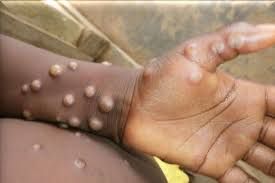
Kenya has recorded its first fatality linked to the Mpox virus, formerly known as Monkeypox, as confirmed by Health Director-General Patrick Amoth.
The total number of Mpox cases in the country has now reached 13, with eight patients having fully recovered and discharged. Four other patients are still receiving treatment in various hospitals across the country.
The Mpox outbreak, which was declared a public health emergency by the Africa Centre for Disease Control and Prevention (Africa CDC), continues to raise concerns globally. In August, the World Health Organization (WHO) also classified the outbreak as a public health emergency of international concern (PHEIC).
In a bid to strengthen Kenya’s healthcare response, the WHO has donated vital medicines and Mpox diagnostic kits to the Ministry of Health. This donation includes over 15 million tablets to combat neglected tropical diseases (NTDs) such as Schistosomiasis and Soil-Transmitted Helminthiases. The medicines, valued at Sh213 million, are set to benefit more than 15 million people in 15 counties, particularly in the Coastal, Lake Victoria Basin, and Western regions, where NTDs are most prevalent.
The Mpox donation also includes 28 PCR diagnostic kits, which will enable the testing of 2,688 suspected Mpox samples. Additional supplies, such as viral transport media and swabs, will enhance Kenya’s ability to quickly diagnose and contain the virus. The WHO’s efforts, including the screening of over 1.3 million travelers at 26 points of entry, aim to prevent further spread of Mpox.
The Kenyan government continues to monitor the situation closely, with public health officials working tirelessly to manage the outbreak and provide timely interventions. According to WHO, the symptoms of Mpox typically begin with fever, headache, muscle aches, and fatigue, similar to flu-like illness. Swollen lymph nodes are a key distinguishing feature from other pox-like diseases. Within a few days, a rash develops, starting on the face and spreading to other parts of the body, including the hands, feet, and genital area. The rash evolves from flat spots to raised bumps, blisters, and eventually scabs before healing. Some individuals may also experience respiratory symptoms, such as sore throat or cough.
The outbreak has already proven deadly, particularly affecting the Democratic Republic of Congo, where it has claimed over 450 lives this year alone. Clade Ib, the variant responsible for these fatalities, spreads more readily through close contact, including sexual activities, raising new health concerns globally.
Following WHO’s declaration of the outbreak as a public health emergency of international concern, global health leaders underscored the need for unified preventive actions. Dr. Tedros Adhanom Ghebreyesus, WHO’s director general, emphasized the urgency for coordinated international efforts to contain the spread of mpox.