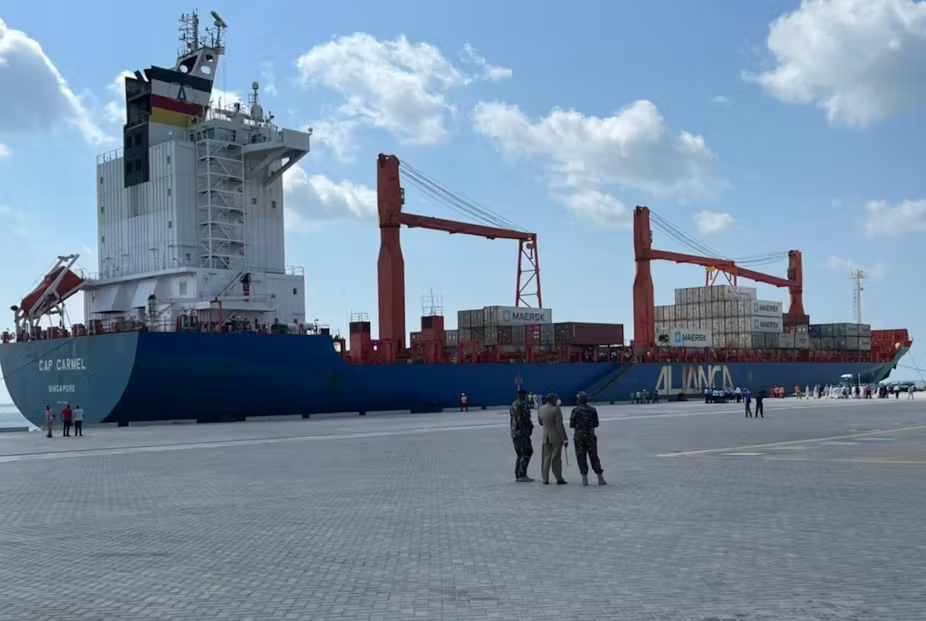
Kenya faces growing challenges in positioning Lamu Port as a key trade hub for East Africa as neighboring countries Ethiopia and South Sudan remain slow to fully embrace the port.
Overview of the LAPSSET Corridor Project
The Sh1.2 trillion Lamu Port-South Sudan-Ethiopia-Transport (LAPSSET) Corridor was designed to enhance trade connectivity among the three countries, aiming to establish Lamu as a significant transshipment hub. Djibouti currently manages 95% of Ethiopia’s overseas trade and has provided the country with full access to its facilities, creating stiff competition for Kenya’s port.
Ethiopia’s Strategic Agreements with Somaliland and Djibouti
In addition to Djibouti, Ethiopia recently acquired a 19% stake in the Port of Berbera, Somaliland, through a Dubai Ports World deal, providing Ethiopia access to the Red Sea and proximity to the Suez Canal. According to Senior Researcher Eden Tafesework, Ethiopia’s diversification of sea access channels has strengthened its position in global trade networks.
Lamu Port’s Underutilization and Investments
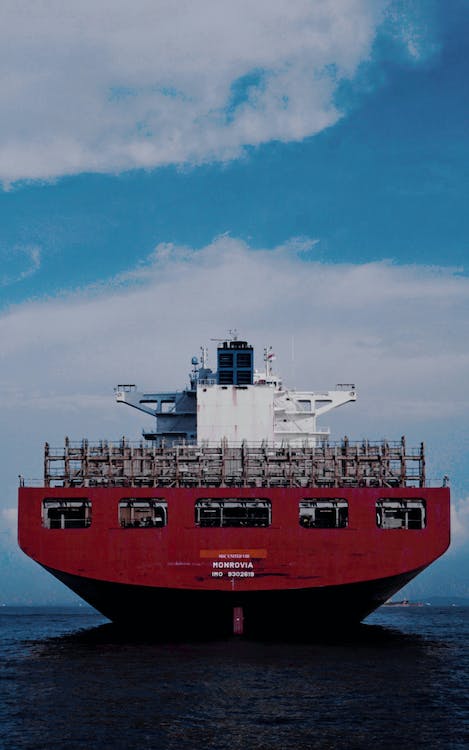
Despite significant investments by Kenya Ports Authority (KPA), including advanced equipment and increased personnel, Lamu Port has seen limited traffic since its commissioning in 2021. Official data reveals that only 70 vessels have docked, with most cargo being transshipment items bound elsewhere. Ethiopian vessel MV Abbay II docked in May 2024, carrying 60,000 metric tonnes of fertilizer, marking a notable but infrequent use of the port.
Enhancing Infrastructure and Security in the LAPSSET Corridor
Kenya is making considerable efforts to improve the LAPSSET Corridor, with an emphasis on security and road infrastructure, especially along the Lamu-Ijara-Garissa route, which was 51% complete by December 2023. Long-haul truckers continue to request further security guarantees due to concerns about sporadic attacks by militant groups in the area.
Future Prospects for Lamu Port and Regional Trade
Kenya has ambitious plans for Lamu, including the development of a Special Economic Zone and the potential for 23 additional berths, which would support large Post-Panamax vessels. According to KPA’s managing director William Ruto, these upgrades aim to position Lamu as a strategic trade hub connecting East Africa with global markets.
The government’s commitment to supporting Lamu Port’s development, along with advancements in infrastructure and enhanced customs systems, will play a critical role in attracting international trade and regional partnerships as Kenya continues to negotiate with Ethiopia and South Sudan for expanded usage.