Surge in Begging Syndicates Alarms Authorities

The National Council for Persons with Disabilities (NCPWD) in Kenya has raised alarm over an increasing influx of beggars in the country, many reportedly trafficked from neighboring nations. According to NCPWD Rift Valley Regional Director Isaac Rogito, these beggars, often children and individuals with disabilities, are victims of organized criminal syndicates operating within the East African Community (EAC).
The syndicates lure victims with false promises of financial gain through begging, only to exploit them for profit. Rogito emphasized that while many Kenyans offer assistance in good faith, the money often ends up in the hands of traffickers rather than the beggars themselves.
Trafficking Networks Exploit Vulnerable Individuals
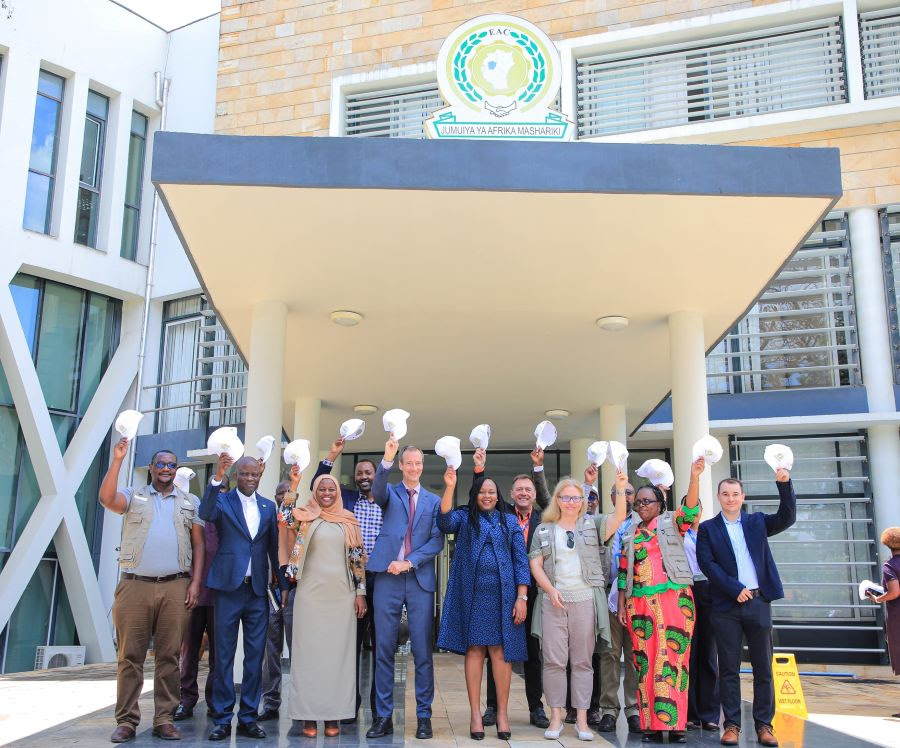
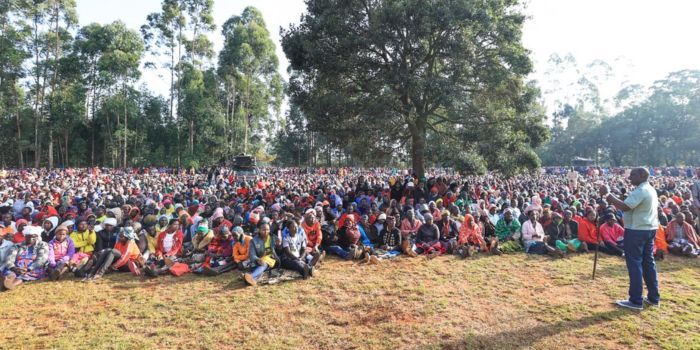
Speaking at a meeting attended by government officials, civil society representatives, and security agencies, Rogito highlighted the need for a robust crackdown on these criminal networks. “The authorities must dismantle these syndicates and repatriate the foreign beggars humanely,” he stated.
Project Coordinator Josephine Mahinda of the Disability Resource Information Center (DRIC) echoed these sentiments, expressing concern over the influx of beggars from countries such as Zambia, Tanzania, Rwanda, Uganda, Burundi, and the Democratic Republic of Congo. She described the situation as a disgrace to the dignity of hardworking Kenyans living with disabilities.
Alarming Exploitation and Abuse
Mahinda revealed shocking details of abuse within the begging rings. She reported instances of sexual violence against women and girls, often leading to pregnancies that traffickers exploit to garner more sympathy and money from the public. Similarly, men and boys are subjected to physical abuse if they fail to meet daily begging targets.
“These syndicates turn our streets into a hub for human trafficking, exploiting disabled individuals for profit. This is unacceptable and must stop,” she declared.
Begging as a Lucrative Criminal Enterprise
Investigations by local journalists and authorities have unveiled a well-organized network where beggars are strategically placed in high-traffic areas such as Kenyatta Avenue, Oginga Odinga Road, and Club Lane. These individuals, often minors, are poorly clothed and subjected to harsh weather conditions.
A 16-year-old girl shared her harrowing experience of being trafficked from Tanzania under false promises. She now lives in deplorable conditions, paying rent for a shared room with earnings from begging.
Long-Term Solutions Required
Former Nakuru civic leader William Ating’a highlighted the government’s historical efforts to empower persons with disabilities (PWDs) through programs like the Cash Transfer for Persons with Severe Disabilities (PWSD) and the Access to Government Procurement Opportunities (AGPO). However, he noted that the influx of foreign beggars undermines these initiatives.
“The open border policies and visa-free travel in the spirit of Pan-Africanism are being abused by criminal gangs to exploit the disabled,” Ating’a warned.
NCPWD’s Call to Action
The NCPWD is urging Kenyans to reconsider giving money to beggars, as it inadvertently fuels the syndicates. Instead, they call for robust enforcement of anti-trafficking laws, the humane repatriation of foreign beggars, and greater public awareness of the underlying issues.
Government Efforts in Focus
Authorities, including the County Government, National Police Service, and children’s welfare departments, are working to address the problem. However, logistical challenges in repatriating trafficked individuals and the recurring nature of the issue remain significant hurdles.
Final Thoughts
This crisis highlights the need for concerted efforts to protect vulnerable individuals, enforce the rule of law, and ensure that programs aimed at empowering PWDs are not overshadowed by exploitation and crime. Kenya must act decisively to restore dignity to its streets and combat the exploitation of its most vulnerable residents.