A consignment of over 83,000 bags of contaminated rice, shipped to Kenya through the Port of Mombasa, has infiltrated the local market, putting consumers at significant health risk.
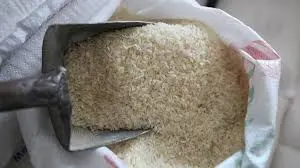
The rice, imported from Pakistan between September and October, was flagged for dangerously high levels of aflatoxins but still found its way to unsuspecting households.
Rice Fails Safety Standards
Reports indicate that the rice contained aflatoxin levels of 11.54 parts per kilogram, more than double the permissible limit of 5.0 parts per kilogram. Despite the Kenya Bureau of Standards (KEBS) deeming it unfit for consumption, only a small fraction of the contaminated consignment was intercepted before distribution.
Out of the 2,080 tonnes transported to Nairobi without proper certification, KEBS market surveillance teams managed to seize just 23 tonnes, leaving more than 2,057 tonnes in circulation.
What Are Aflatoxins?
Aflatoxins are toxic substances produced by molds that grow on grains and cereals under humid conditions. Consuming food contaminated with aflatoxins can lead to serious health issues, including:
- Liver damage and cancer: Chronic exposure is a leading cause of liver-related illnesses.
- Immune suppression: Aflatoxins can weaken the body’s ability to fight infections.
- Acute symptoms: Short-term exposure can cause nausea, vomiting, and severe abdominal pain.
These risks are particularly severe for vulnerable groups, such as children, pregnant women, and individuals with pre-existing health conditions.
Ineffective Recall Efforts
Efforts by KEBS to recall the contaminated rice have been largely ineffective. So far, only 5,300 kilograms of Polla Biryani Rice and 6,000 kilograms of Kuku Biryani Rice have been retrieved. With such minimal success, a vast majority of the toxic rice remains in circulation, posing a threat to public health.
Festive Season Fuels Concern
As the festive season approaches, rice demand surges as families prepare traditional dishes for celebrations. The increased consumption raises the likelihood of more Kenyans unknowingly eating the contaminated rice, amplifying the health crisis.
What Can You Do?
To protect your health and that of your family, consider the following steps:
- Purchase rice from reputable sources: Ensure the rice you buy has proper certification.
- Inspect rice quality: Look for discoloration or unusual odors, which may indicate contamination.
- Stay informed: Monitor updates from KEBS and health authorities regarding unsafe food products.