In a concerning case of food poisoning, 73 individuals from Masaita villages in Kericho County, Kenya, were hospitalized after consuming contaminated Mursik, a traditional fermented milk drink, at a church graduation ceremony.
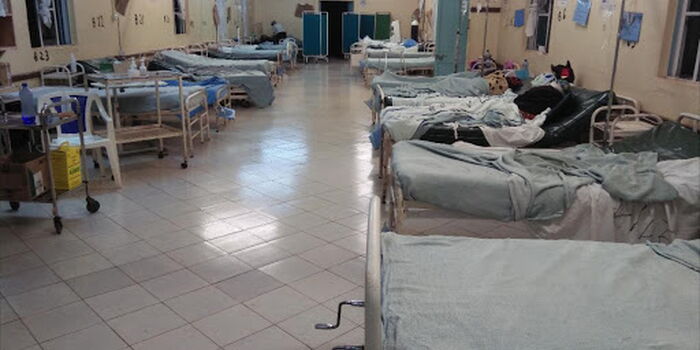
Victims Rushed to Hospital
The affected individuals, including children and elderly residents, were admitted to Londiani Sub-County Hospital after exhibiting severe symptoms such as vomiting and diarrhea shortly after consuming the milk. Among them, nine children were reported to be severely dehydrated.
Hospital nurse Maureen Chepkoech confirmed the incident, stating, “Most of the affected are women, children, and the elderly. This is the second such case we’ve had in recent weeks.”
Contaminated Milk Source Identified
Preliminary investigations point to the milk being supplied by a well-known local vendor. Authorities are investigating the matter further and have urged residents to prioritize safe food preparation and consumption practices.
Victims described their ordeal, with one male victim recounting, “We started vomiting and experiencing severe joint pain. We thank God that things didn’t take a worse turn.”
Another victim, Betty Kirui, shared, “Both my children and their father are admitted here. I haven’t been able to check on them since my admission.”
Recurring Food Safety Issues with Mursik
This incident highlights ongoing concerns about food safety related to Mursik, a popular fermented milk drink in Kenya’s Rift Valley region. Traditionally prepared by fermenting raw milk in a gourd or calabash container, Mursik often bypasses modern health and hygiene standards. The process may involve adding herbs or ash from specific plants to enhance flavor and preservation.
Medical authorities in the region have repeatedly raised alarms over the risks associated with improperly prepared Mursik. In 2020, a similar incident in Mt. Elgon, Bungoma, saw 20 people, including eight children, hospitalized after consuming contaminated Mursik.
Call for Improved Food Safety Standards
Local leaders and health officials have emphasized the need for greater awareness and adherence to hygiene practices in the preparation of traditional foods like Mursik. Authorities are working to educate the public on safe food handling and the importance of maintaining cleanliness during fermentation to prevent future incidents.
As investigations continue, affected families are receiving treatment and support from the Kenya Red Cross and local organizations.