Kenya Faces Fiscal Warning Amid Rising Debt Obligations

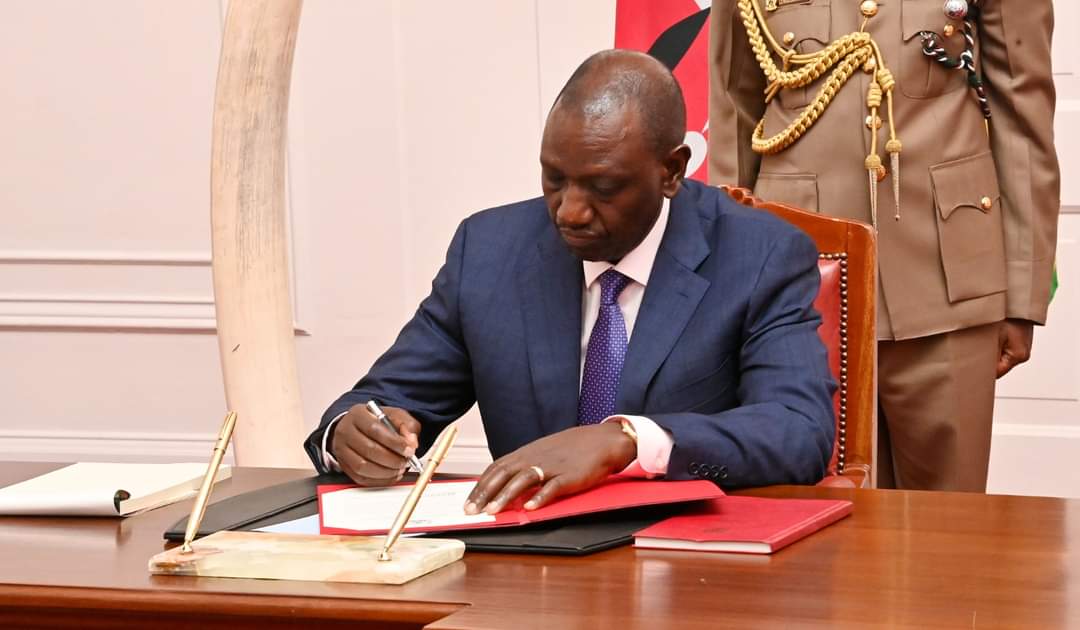
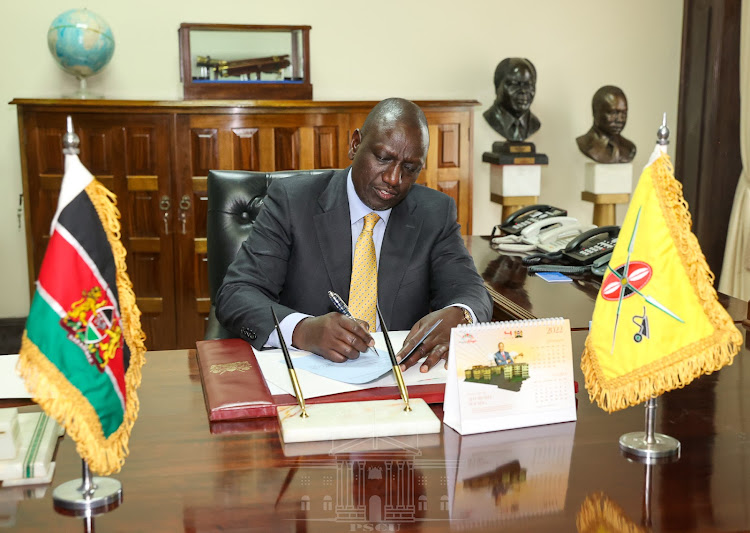
The International Monetary Fund (IMF) has issued a cautionary statement regarding Kenya’s economic outlook as it approved the disbursement of a delayed $606 million (Sh78.2 billion) loan. The IMF’s concerns focus on Kenya’s rising debt burden, sluggish revenue growth, and low export performance, which, it warns, are contributing to heightened debt risks. President William Ruto’s administration has taken on close to Sh3.4 trillion in new debt within two years, escalating the country’s total public debt to Sh10.6 trillion.
IMF’s Conditions and Recommendations
The IMF is urging the Kenyan government to undertake critical tax reforms to enhance revenue collection, improve efficiency, and foster a more equitable tax system. “The Kenyan authorities face a challenging balancing act of raising domestic revenue to fund essential programs, while simultaneously meeting significant debt repayment obligations,” the IMF noted in its statement.
To support this effort, the IMF has emphasized the importance of transparency and accountability in public spending. The organization advocates for a fiscal consolidation strategy that addresses debt vulnerabilities while preserving essential social and development spending.
Rising Debt and Strained Revenues
Kenya’s debt servicing obligations are stretching the nation’s finances, consuming nearly 70% of domestic revenue as of mid-2024, more than double the 30% recommended threshold. National Treasury data reveals that Kenya’s debt stood at Sh1.89 trillion at the end of the 2012-13 fiscal year, rising to Sh7.17 trillion by the close of Uhuru Kenyatta’s presidency in 2022. Since then, borrowing under President Ruto has contributed significantly to the debt surge.
Public Discontent and Policy Challenges
The IMF’s warning comes amidst widespread public discontent over several of Ruto’s policies, including those addressing healthcare, housing, and infrastructure funding. The IMF has advised the government to be flexible in its approach, maintaining an adaptable fiscal strategy that can respond to changing economic conditions to ensure stability and meet program goals.
Economic Resilience and Support for the Shilling
Despite the challenging economic environment, the IMF highlighted Kenya’s economic resilience, noting a growth rate above the regional average, decelerating inflation, and supportive external inflows. This, coupled with the recent stabilization of the Kenyan shilling and a stronger foreign exchange reserve position, has reinforced market confidence.
The IMF’s disbursement of funds follows multiple reviews under its Extended Fund Facility (EFF), Extended Credit Facility (ECF), and Resilience and Sustainability Facility (RSF) arrangements, marking a crucial step in supporting Kenya’s economic recovery while addressing its fiscal challenges.
As Kenya works to stabilize its economy, the IMF’s disbursement provides immediate financial relief but underscores the critical need for effective fiscal reforms to ensure long-term economic stability.