In a tragic incident highlighting the ongoing insecurity in Nigeria’s northeast, jihadists affiliated with the Islamic State West Africa Province (ISWAP) brutally killed at least 40 farmers in Borno State. The attack occurred late Sunday in Dumba, a village near Lake Chad, according to Usman Tar, the state information commissioner.
Details of the Attack
ISWAP militants reportedly rounded up scores of farmers who were cultivating fields near the lake and executed them. “The initial report indicates about 40 farmers have been killed while the whereabouts of others who fled the attack remain unknown,” Tar confirmed in a statement.
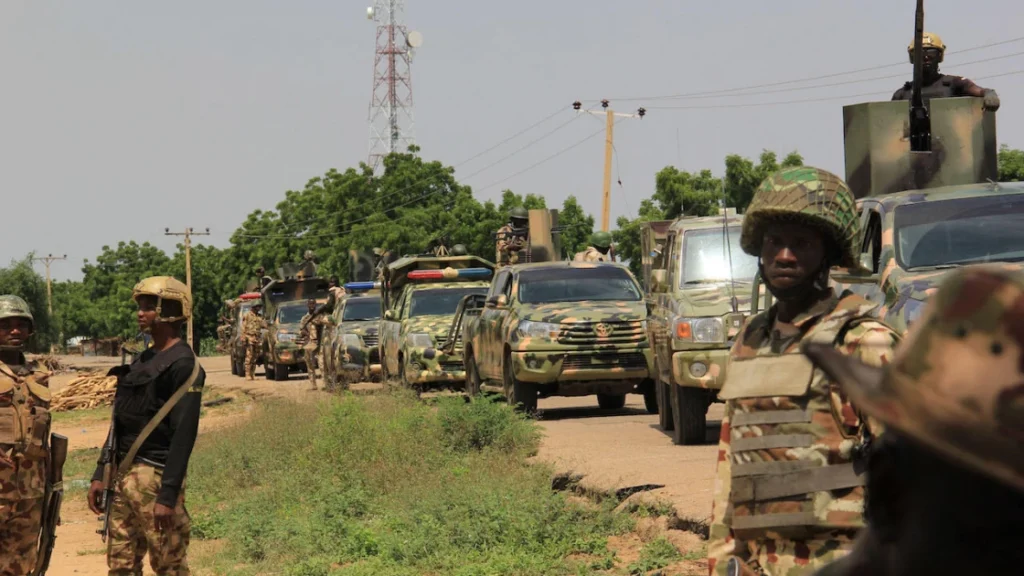
The state government has since directed troops stationed in the region to intensify efforts to track and neutralize the insurgents responsible for the attack.
High-Stakes Farming in a War Zone
The shores of Lake Chad, straddling Nigeria, Niger, Cameroon, and Chad, are a known refuge for ISWAP and rival faction Boko Haram. Farmers, fishermen, and herders often face threats, as militants impose taxes and penalties for operating in the area.
Babakura Kolo, an anti-jihadist militia leader, revealed that the farmers had struck a deal with Boko Haram to farm in the contested region. However, ISWAP, which controls a portion of Lake Chad, viewed this as a violation of their territorial dominance and attacked the group as punishment.
Rising Casualty Count
While official figures from Borno State place the death toll at 40, local sources suggest the numbers are significantly higher. “Casualties could exceed 100,” Kolo stated, adding that ISWAP’s actions were fueled by frustration over the farmers’ arrangement with Boko Haram.
A Growing Threat
This massacre adds to the grim toll of Nigeria’s 14-year-long jihadist insurgency, which has claimed over 40,000 lives and displaced more than two million people. ISWAP and Boko Haram have increasingly targeted civilians, accusing them of collaborating with the military or local militias.
A Call for Action
The Nigerian government faces mounting pressure to address the security crisis in the northeast. The rising death toll and displacement are exacerbating humanitarian challenges, leaving vulnerable populations at the mercy of extremist groups.
A Region in Need of Stability
As ISWAP and Boko Haram continue their territorial feud, innocent civilians remain the greatest casualties in this relentless conflict. Strengthening security, improving governance, and fostering dialogue are critical steps toward achieving lasting peace in the region.