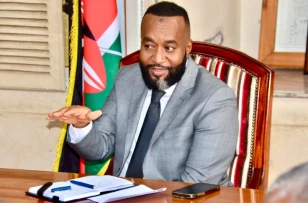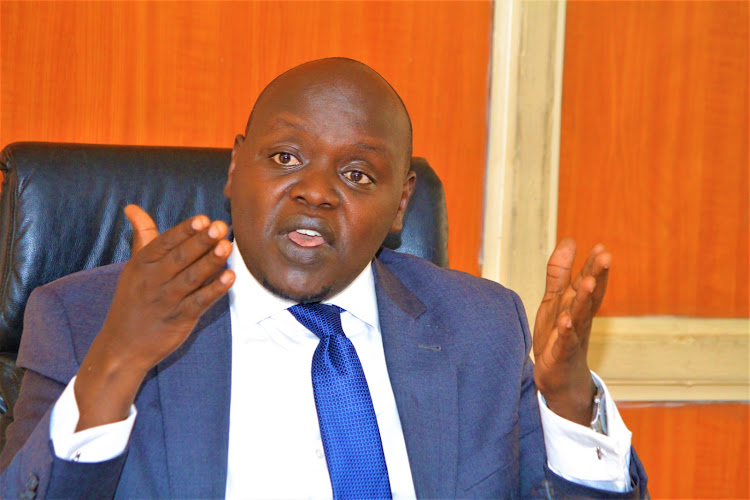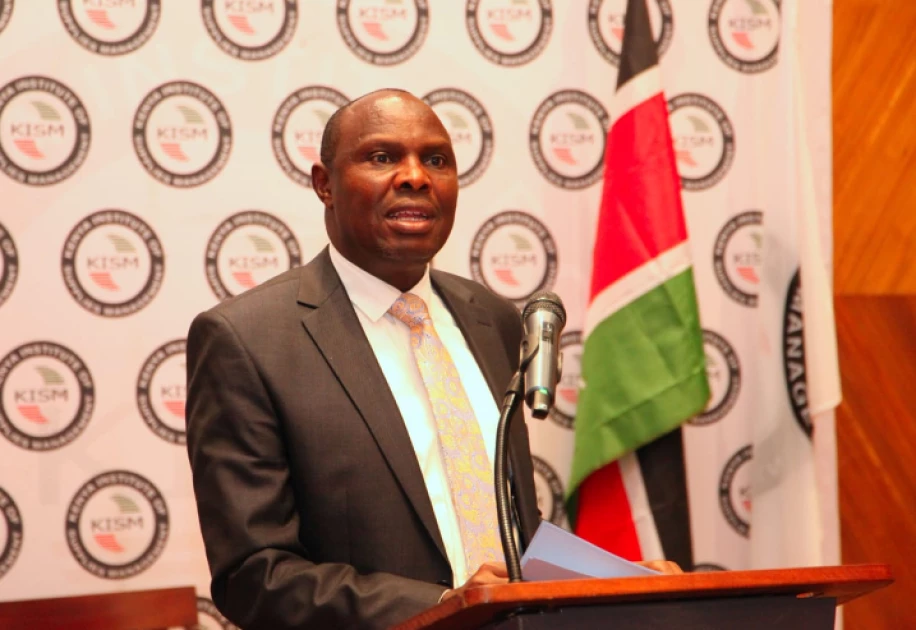
Kalonzo Musyoka, leader of the Wiper Party and a key figure in the Azimio coalition, has issued a strong warning regarding the Kenyan government’s proposed vaccination program for 22 million cattle.

Musyoka voiced concerns that the initiative, spearheaded by President William Ruto’s administration, poses serious risks to both livestock and human health, alleging it is part of a foreign agenda that could negatively impact Kenya’s agriculture and food security.
In a statement released on Friday, November 15, Kalonzo cautioned that the program could lead to genetic alterations in cattle, potentially causing reproductive issues and biological deformities over successive generations. He further claimed that consuming products from vaccinated animals might pose health risks for humans, especially due to potential changes in the animals’ genetic makeup.
Kalonzo expressed alarm at the broader implications of the vaccination plan, emphasizing that it could undermine Kenya’s food sovereignty and traditional livestock practices. He warned that this could eventually lead the nation toward synthetic meat production, compromising the role of livestock farming within the economy.
“This vaccination program has all the signs of a foreign agenda that threatens the livelihood of Kenya’s pastoralist communities and the nation as a whole,” Musyoka asserted. He added that the vaccines, developed abroad, have allegedly faced rejection in other countries over similar concerns. “We will resist this program to the very end and urge all Kenyans to join in opposing this plan that endangers both our people and our livestock.”
Citing information from experts, Kalonzo warned that the vaccines could alter the genetic structure of animals, leading to reproductive issues within one or two generations. These genetic changes, he argued, could eventually impact human health through consumption of animal products from vaccinated livestock.
In addition to health risks, Musyoka argued that the vaccination plan might disrupt traditional food sources in Kenya and replace them with synthetic alternatives. He encouraged Kenyans, particularly those within pastoralist communities, to protect their animals from the vaccination efforts to preserve their livelihoods and ensure food security for the country.
“Our food sovereignty and security must remain intact, and every Kenyan should oppose this agenda,” Kalonzo concluded.
Government’s Vaccination Plan for 2025
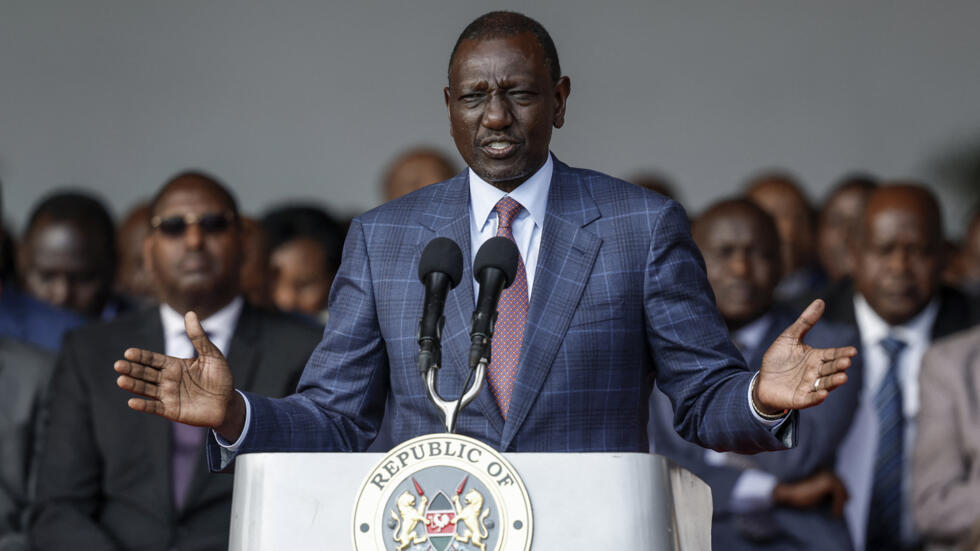
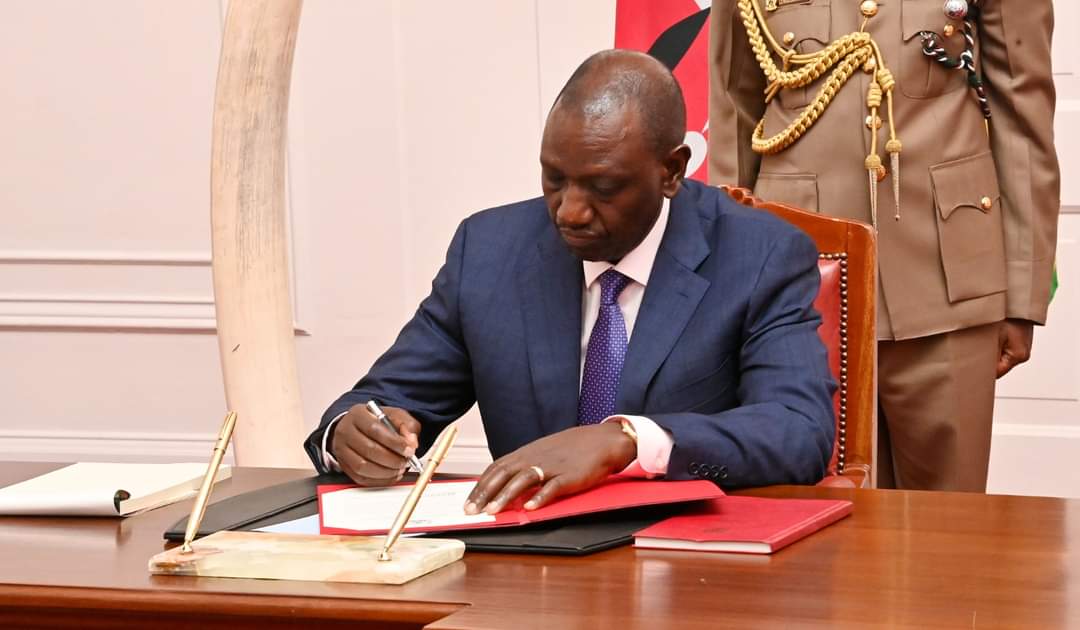
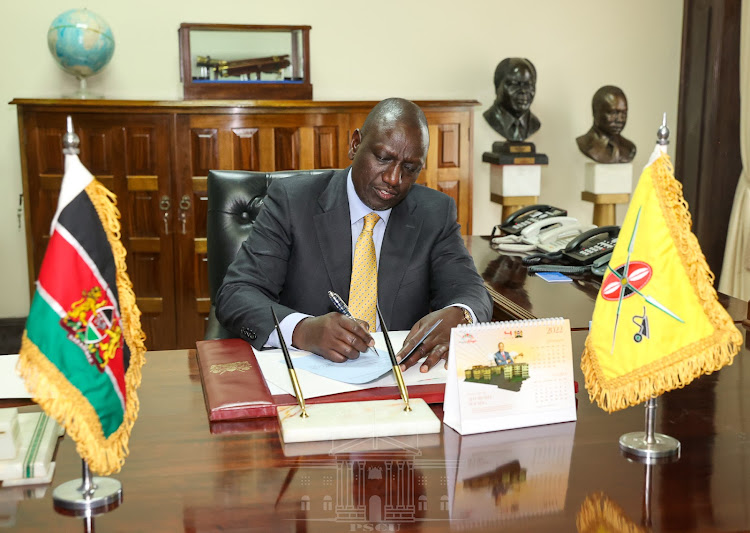
In a separate development, President William Ruto announced that the government plans to begin vaccinating all cattle in Kenya in January 2025. This initiative aims to curb the spread of diseases affecting livestock, which have led to a decline in the country’s meat market both nationally and internationally.
On November 8, Ruto also addressed the impact of the 2023 drought on livestock owners, promising compensation for families who lost their cattle during the crisis. He explained that the vaccination program is crucial for improving livestock health and restoring Kenya’s meat export industry, which has suffered due to disease outbreaks.
The government’s move to vaccinate all cattle is intended to protect the national herd, improve animal health, and boost the country’s livestock sector. However, the proposal has sparked debate, with critics like Kalonzo.