The Kremlin has expressed its anticipation for more clarity from Washington on a proposed 30-day ceasefire in Ukraine. This development follows ongoing discussions about halting the conflict, with both sides outlining terms and challenges to achieve peace.
A Shift in U.S. Policy on the Ukraine Conflict
After significant territorial gains by Russian forces in 2024, U.S. President Donald Trump made a dramatic policy shift. He suspended military aid to Ukraine and initiated bilateral talks with Moscow, urging Kyiv to engage in efforts to end the conflict. However, following Ukraine’s willingness to consider a ceasefire at recent talks in Saudi Arabia, the U.S. agreed to resume military support and intelligence sharing with Kyiv.
Kremlin spokesperson Dmitry Peskov confirmed that Russia is awaiting detailed information on the U.S. proposal from Secretary of State Marco Rubio and National Security Adviser Mike Waltz. Peskov declined to speculate on whether the ceasefire discussions would be linked to lifting international sanctions imposed on Russia.
Key Conditions and Challenges
The U.S. has emphasized the importance of an unconditional ceasefire, with Rubio stating that Moscow’s response would reveal its true intentions. He also noted that Europe would play a vital role in any security guarantees for Ukraine, potentially bringing sanctions into the negotiation framework.
Russian President Vladimir Putin has repeatedly stressed that a short-term truce is insufficient. He insists on guarantees for long-term peace, including Ukraine formally abandoning its NATO aspirations and withdrawing from regions annexed by Russia. Ukraine, however, has rejected these conditions, asserting that the annexations are illegal and will not be recognized.
Escalating Conflict in the Kursk Region
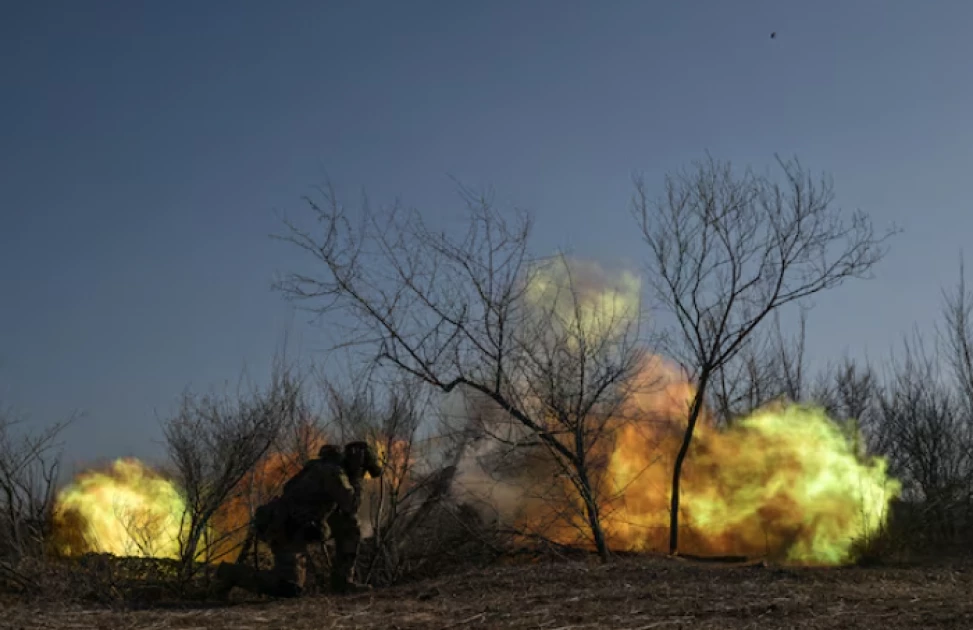
As diplomatic talks continue, the situation on the ground remains dire. Ukrainian forces appear to be losing their foothold in Russia’s Kursk region. Analysts estimate that Ukraine now controls only 150 square kilometers in the area, down from 1,376 square kilometers last year.
Both Ukrainian and Russian military sources confirm ongoing clashes, with Moscow claiming significant advances. President Putin has maintained that negotiations must reflect Russia’s territorial gains, warning against agreements that could weaken Moscow’s position.
A Trap or Opportunity?
While the Kremlin cautiously explores the ceasefire proposal, some Russian officials view it as a potential trap. A senior Russian source argued that without concrete guarantees, agreeing to a truce could backfire, leaving Moscow vulnerable to criticism and diminishing its leverage.
Konstantin Kosachev, chair of the international affairs committee in Russia’s parliament, echoed these concerns, stating that any agreements must account for Russia’s achievements on the battlefield. “Real agreements are forged at the front, and Washington must understand this,” he remarked.
The Path Forward
As the conflict nears its third year, the path to peace remains fraught with challenges. While a ceasefire could provide a temporary reprieve, the broader issues of territorial sovereignty, security guarantees, and NATO ambitions continue to impede progress.
For now, the international community watches closely as Washington and Moscow navigate this complex and high-stakes negotiation.