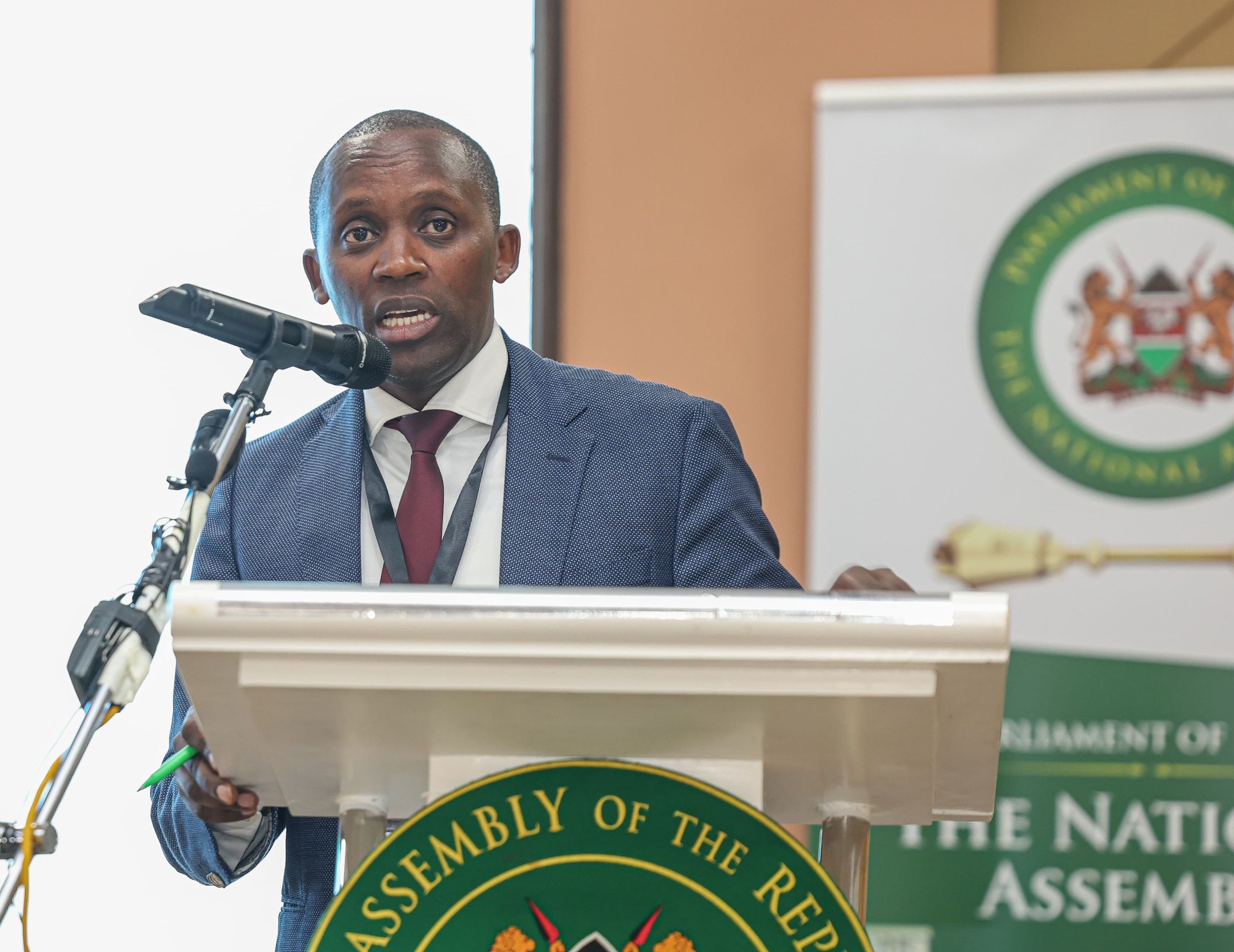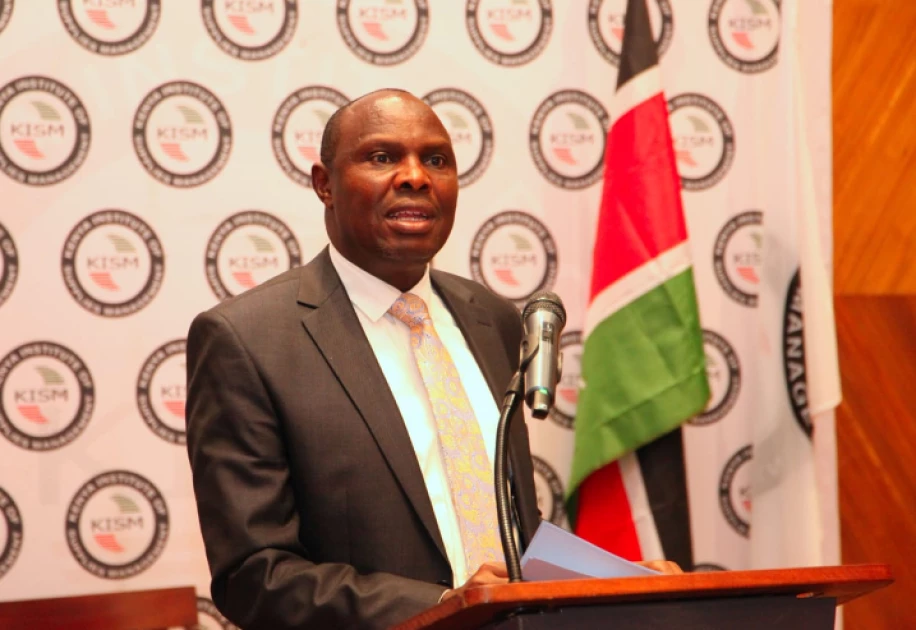
The Director General of the National Intelligence Service (NIS), Noordin Haji, has raised concerns about Kenya’s inadequate resources to safeguard its borders. Speaking before the Parliamentary Departmental Committee on Defence, Intelligence, and Foreign Relations, Haji highlighted long-standing funding challenges that have left the country’s security forces ill-equipped to address escalating threats from neighboring nations.
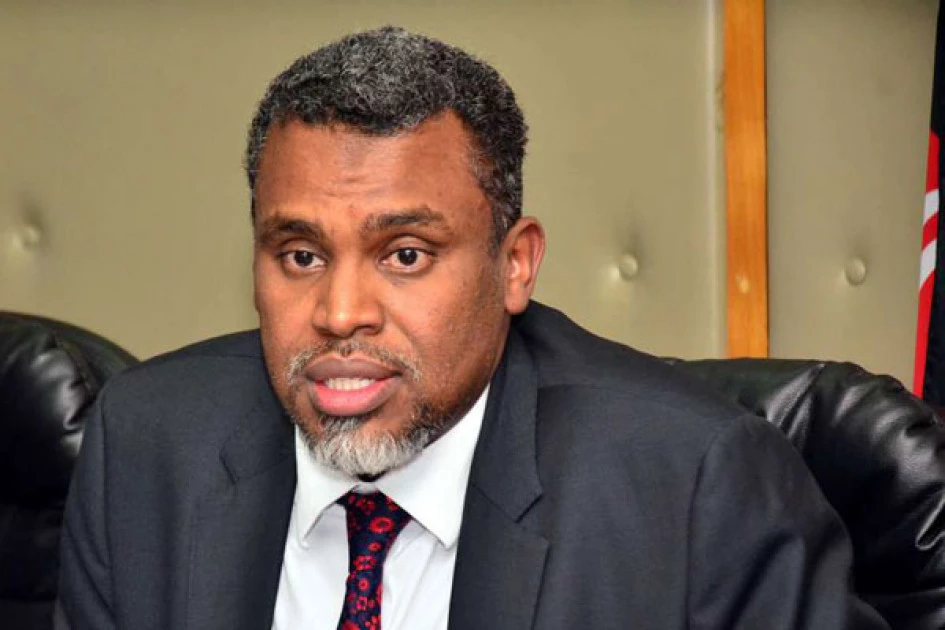
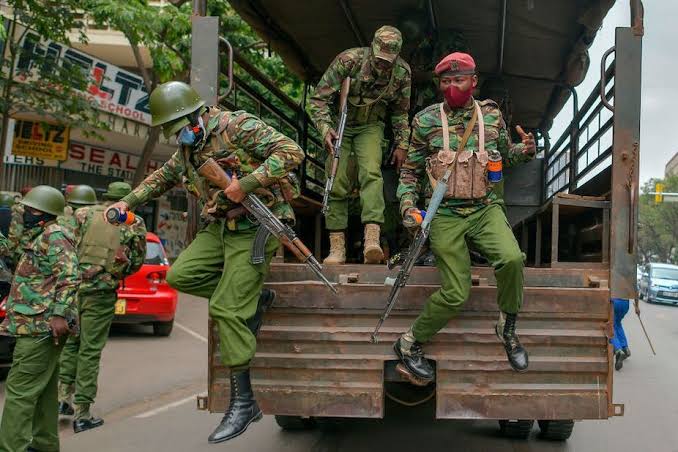
Kenya’s border regions face persistent insecurity, including incursions by armed groups and cross-border criminal activities, yet the necessary tools to counter these challenges remain insufficient.
Persistent Threats from Neighboring Countries
Haji pointed to specific security threats stemming from neighboring nations, underscoring their impact on Kenyan border communities.
“In Uganda, groups like the Karamojong engage in cattle rustling and have encroached on Kenyan land. South Sudan contributes to the proliferation of small arms, while in Ethiopia, the Oromo Liberation Army occupies some of our territories,” he said.
He warned that without modern defense equipment, Kenya is ill-prepared to tackle these threats effectively.
“Our security apparatus is critically under-resourced. As a nation, we must decide if we are serious about providing the security our citizens deserve,” he added.
Decade of Neglect
Haji revealed that some branches of the armed forces have not received new equipment for over a decade, further hampering their operational capacity.
To address these challenges, the NIS had initially requested a budget allocation of Ksh. 65 billion, but the amount was later reduced to Ksh. 51 billion, severely limiting their ability to modernize and bolster border security.
Defense Ministry Faces Similar Struggles
Earlier in the session, Defence Principal Secretary Patrick Mariru echoed similar concerns about underfunding within the Kenya Defence Forces (KDF). He emphasized the urgent need for resources to support recruitment and training programs.
“KDF has not conducted recruitment for the past two financial years. This is unsustainable, and we need at least Ksh. 2 billion to carry out this year’s recruitment exercise,” said Mariru.
He added that the cost of training a single recruit for nine months amounts to approximately Ksh. 2 million, making budgetary prioritization critical.
Calls for Immediate Action
Both officials urged lawmakers to prioritize defense spending in the upcoming budget to address these pressing issues. They warned that continued delays could leave Kenya vulnerable to both internal and external security threats.