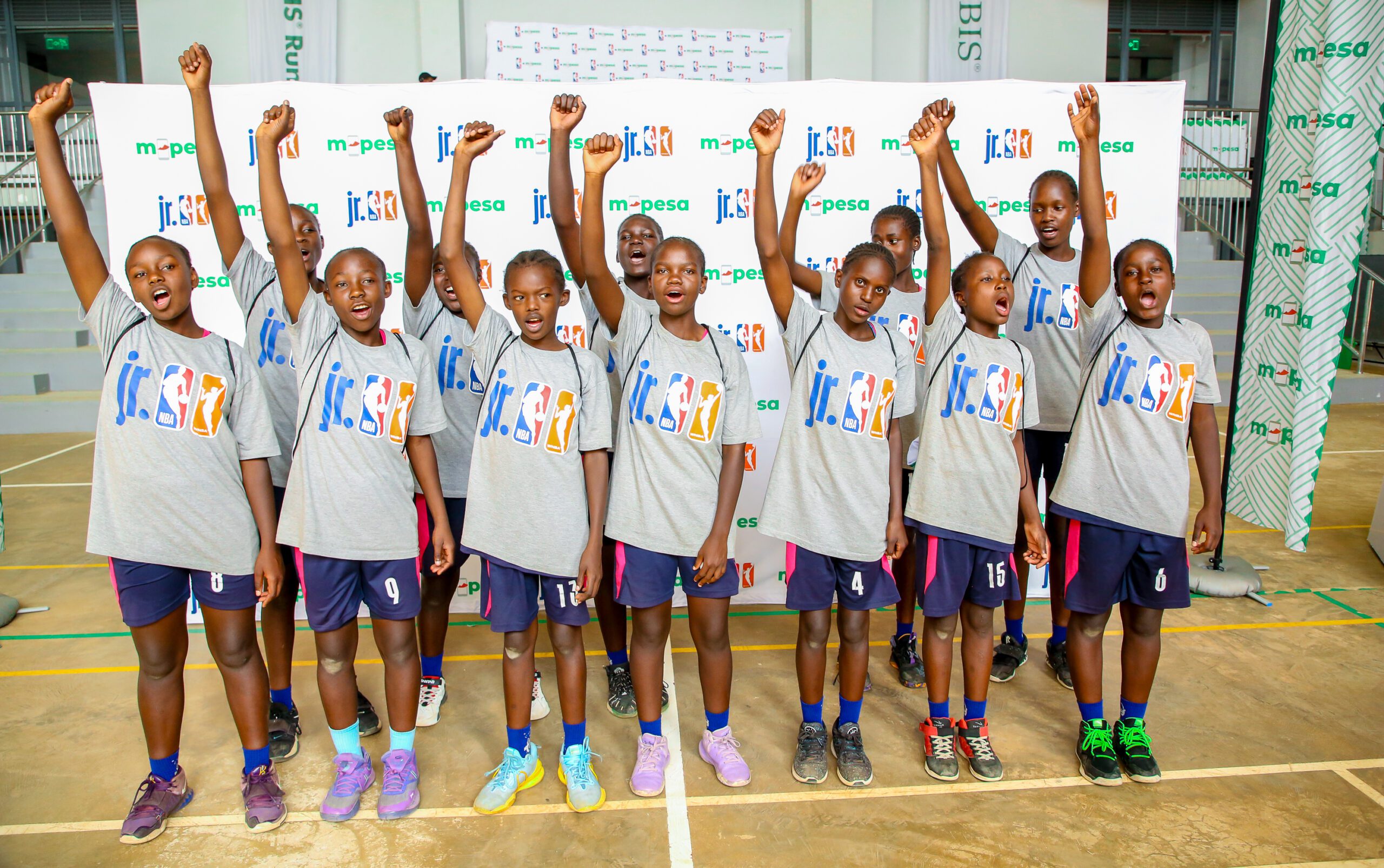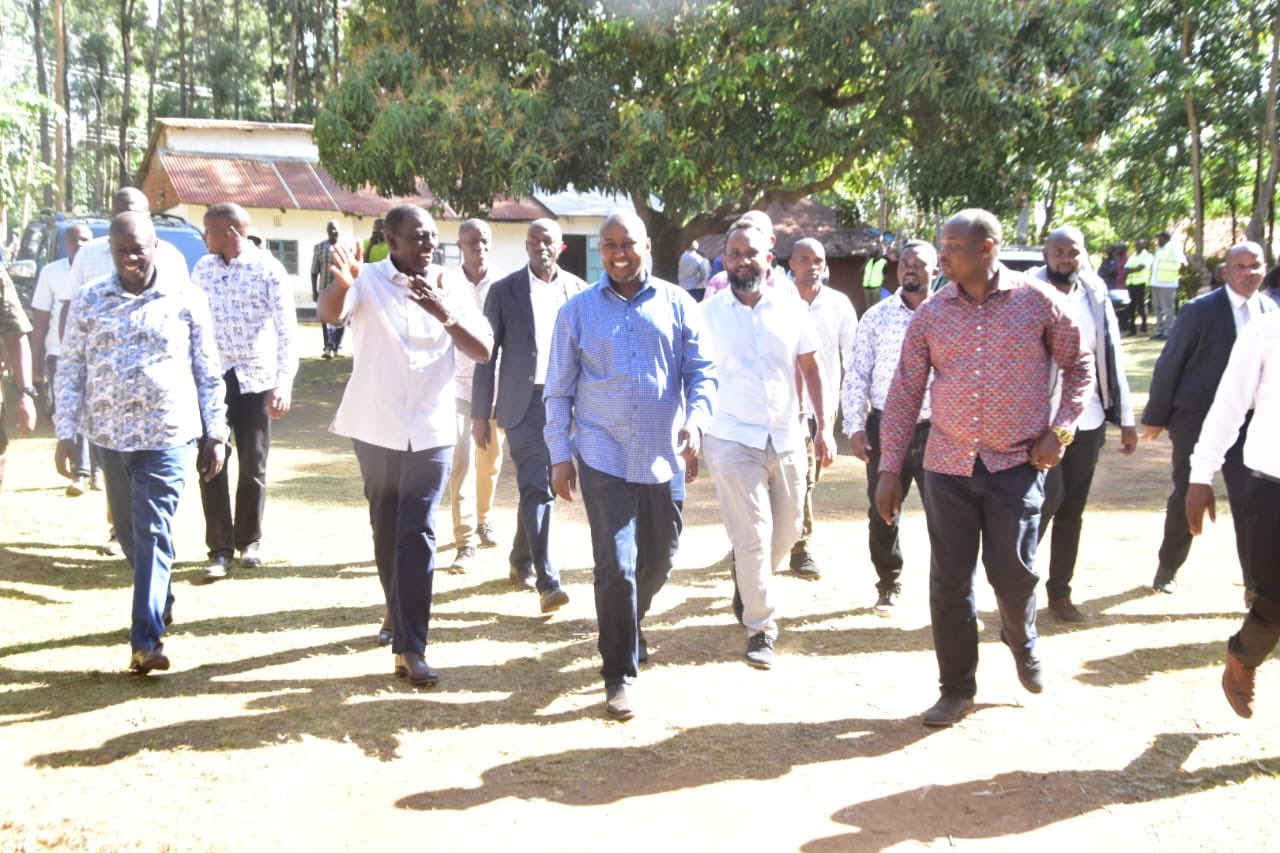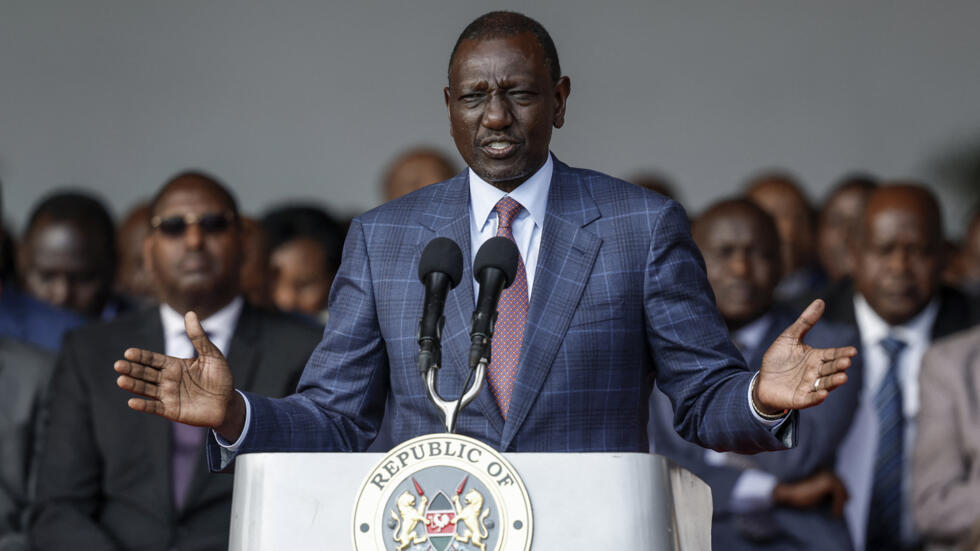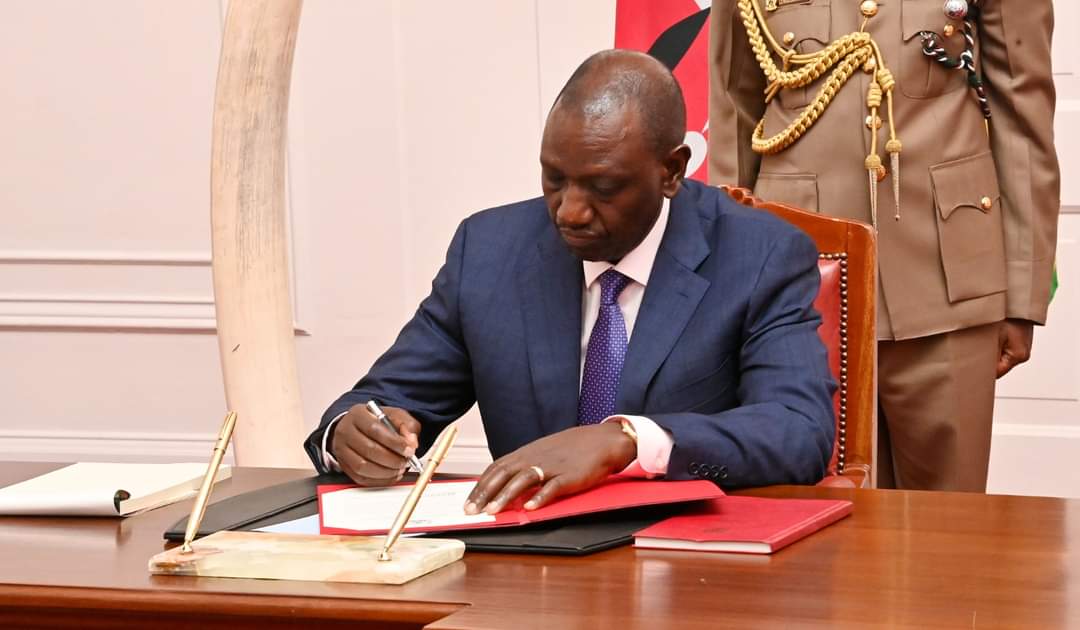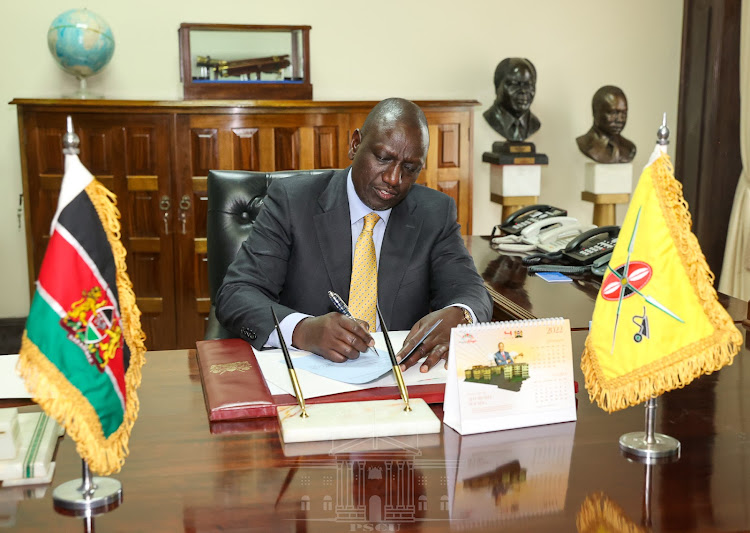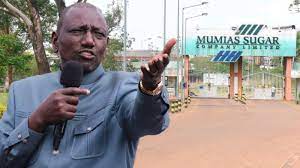
President William Ruto has found himself at the center of online criticism following his recent pledge to purchase a machine capable of producing one million chapatis daily. The announcement, made during his visit to St. Teresa Girls Secondary School in Mathare, Nairobi, was met with widespread skepticism and ridicule across social media platforms.

The Promise That Sparked Controversy
While addressing students during his development tour of Nairobi, Governor Johnson Sakaja appealed to President Ruto for support in acquiring an industrial chapati-making machine to bolster the city’s “Dishi Na County” school feeding program. The appeal came after students expressed a desire to have chapatis added to their school menu.
President Ruto readily agreed, stating, “I have agreed to buy a chapati-making machine. Governor, your work is now finding where to buy it.”
Although the students celebrated the promise, many Kenyans viewed it as a misplaced priority in the face of the country’s pressing challenges.
Online Backlash: Memes, Criticism, and “El Chapo” Nickname
Social media users, particularly on platform X (formerly Twitter), didn’t hold back their disapproval. The nickname “El Chapo”—a cheeky play on the infamous Mexican drug lord’s name and chapati’s popular street moniker, “chapo”—quickly began trending.
Critics accused the President of focusing on trivial promises instead of addressing critical national issues such as healthcare, education, and the economy.
- @Kabara mocked the initiative, comparing it to global leaders’ achievements:
“Chinese president launches new bullet trains, Japanese president launches a nuclear power plant… William Ruto: I’ll give a machine that makes 1 million chapatis daily.” - @CikuYegon added, “The economy is in shambles, healthcare is broken, education is underfunded, but at least we’ll have chapatis!”
Popular satirist Kibet Bull remarked, “While other leaders innovate, ours is busy with roadside promises about chapatis. Truly a legacy in the making.”
Financial Breakdown: A Costly Affair
A financial analysis by Citizen Digital revealed the staggering cost implications of producing one million chapatis daily. The initiative could require up to Ksh 10 million per day and Ksh 2.5 billion annually for ingredients alone, excluding transport, labor, and other operational costs.
Recurring Roadside Promises
Critics argue that this is yet another in a string of President Ruto’s “roadside declarations” that rarely materialize. Despite growing public frustration and repeated calls for actionable governance, the President continues to make lofty promises, sparking concerns about misplaced priorities in his administration.
The Bigger Picture
While chapati-making machines are marketed as efficient tools for bulk production, critics contend that such promises fail to address Kenya’s deeper issues, such as economic recovery, infrastructure development, and healthcare reform.