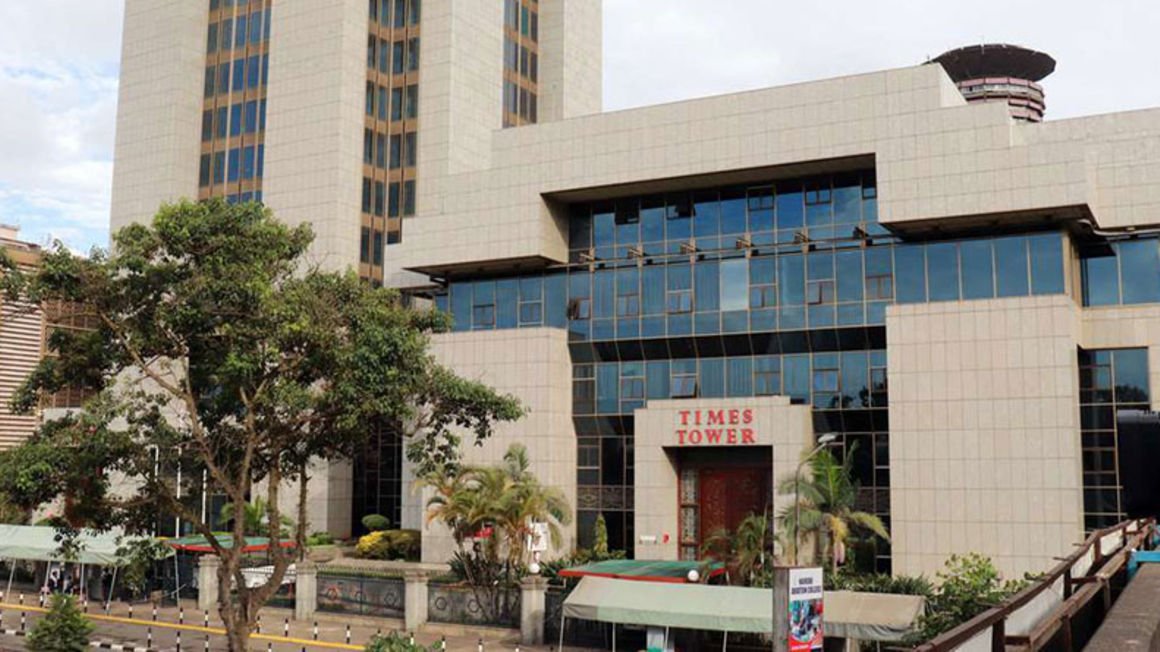
The Ethics and Anti-Corruption Commission (EACC) has unveiled its National Ethics and Corruption Survey for 2023, highlighting widespread corruption in key public institutions across Kenya. The report underscores how graft continues to impede the equitable delivery of essential services to citizens.
Top Corrupt Institutions
The survey identifies the County Health Departments, National Transport and Safety Authority (NTSA), County Commissioners Offices, Public Service Commission, and County Public Service Boards as the top five most corrupt entities, each registering a 100% corruption prevalence.
Other institutions topping the list with the same prevalence include the National Construction Authority (NCA), Teachers Service Commission (TSC), Kenya Forestry Service (KFS), Ministry of Defense, and Ministry of Industrialization, Trade, and Enterprise Development.
Impact on Service Delivery
The report reveals that bribes are often necessary to expedite processes in these institutions. Services commonly associated with corruption include applying for a TSC number, vehicle registration or transfer, construction certification, driving licenses, accessing CDF funds, and agricultural extension services.
Institutions with slightly lower, yet still alarming, corruption rates include the Constituency Development Fund Office (98.2%), Public Hospitals and Dispensaries (94.5%), Regular Police Services (87.2%), and Registrar of Persons for ID applications (77.5%).
Critical agencies like the Judiciary, Police Department, Ministry of Lands, Ministry of Health, Directorate of Criminal Investigations (DCI), and Kenya Bureau of Standards (KEBS) also feature prominently in the report.
Regional and National Trends
The EACC survey identified Nyamira, Baringo, Siaya, Bungoma, Turkana, West Pokot, Samburu, Nandi, Kakamega, and Kisumu counties as the regions with the highest corruption prevalence, all recording 100% rates.
Nationally, the average bribe in 2023 rose to Ksh.11,625 from Ksh.6,865 in 2022. This significant increase reflects the worsening graft situation, with 57.3% of respondents perceiving corruption as a major issue.
Survey Methodology
The findings are based on a representative sample of 5,100 respondents across Kenya’s 47 counties. The survey provides a comprehensive overview of the state of corruption in public institutions and its impact on ordinary citizens.
Looking Ahead
The EACC’s findings highlight the urgent need for systemic reforms to combat corruption and ensure accountability in public service delivery.
Stay updated with our blog for more insights into Kenya’s fight against corruption and other critical developments.