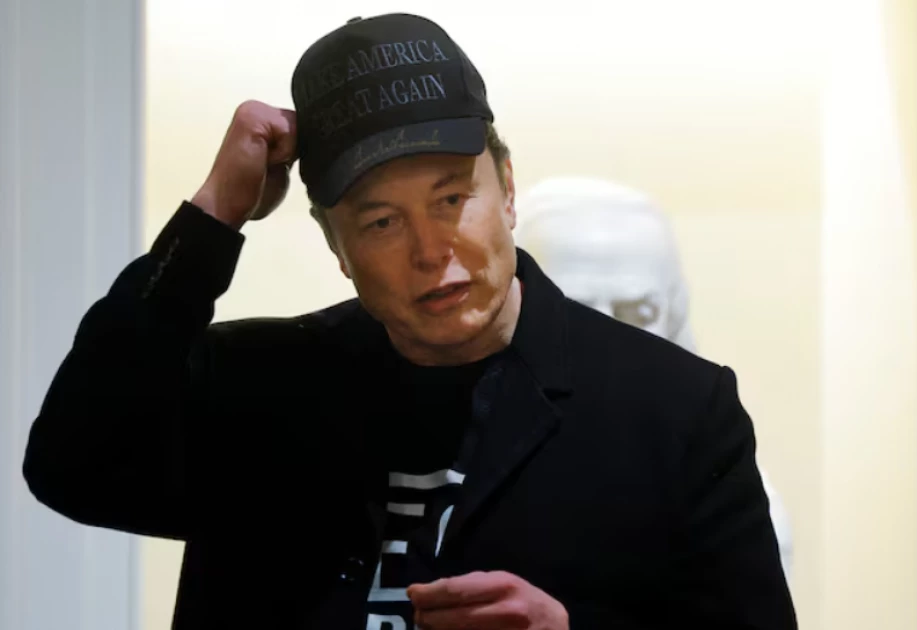
South African authorities have rejected Elon Musk’s claim that his satellite internet company, Starlink, cannot operate in the country due to racial policies. The billionaire entrepreneur alleged on social media that his exclusion stemmed from not being Black, but officials and regulators have clarified that the situation revolves around compliance with local laws.
The Controversy
Musk, who was born and raised in South Africa, made the contentious statement on X (formerly Twitter), claiming, “Starlink is not allowed to operate in South Africa, because I’m not Black.”
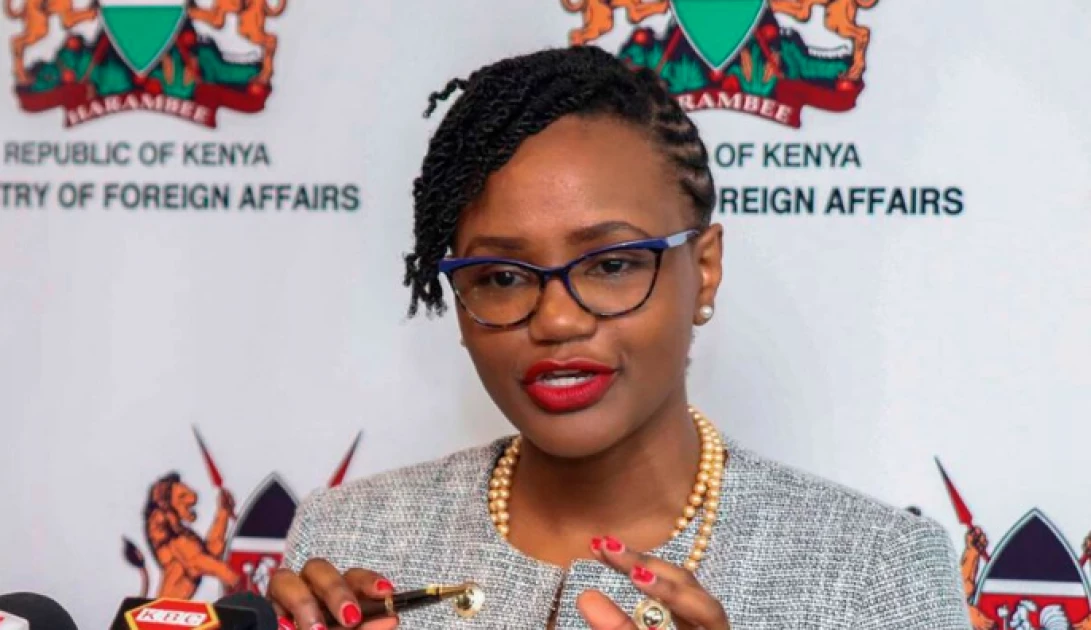
Clayson Monyela, a senior official in South Africa’s foreign affairs department, dismissed Musk’s remarks, calling them inaccurate. Responding on X, Monyela said, “Sir, that’s NOT true, and you know it! It’s got nothing to do with your skin colour. Starlink is welcome to operate in South Africa provided there’s compliance with local laws.”
Musk’s statement appears to criticize South Africa’s Black Economic Empowerment (BEE) policy, which requires foreign telecommunications companies to allocate 30% of their local ownership to historically disadvantaged groups.
Regulatory Standpoint
The Independent Communications Authority of South Africa (ICASA) stated that Starlink has not submitted an application to operate in the country. A spokesperson added, “ICASA has not received any application from Starlink or its parent company, SpaceX.”
TechCentral, a South African technology news outlet, reported that SpaceX wrote to ICASA, suggesting that the 30% ownership requirement should be reconsidered. While Starlink operates in several African countries, similar licensing disputes have delayed its expansion in nations like Cameroon and Namibia.
Government Response
In addressing the ownership requirements, Communications Minister Solly Malatsi reportedly asked ICASA to explore alternatives, such as equity-equivalent contributions like skills development, which could pave the way for companies like SpaceX to enter the South African market.
Starlink’s Presence in Africa
Starlink has rapidly expanded across Africa, offering high-speed satellite internet in remote and underserved areas. However, South Africa remains a critical market for the company’s growth, given its infrastructure challenges and demand for internet connectivity.
Musk’s comments have sparked broader discussions on local ownership laws and foreign investment policies in South Africa, highlighting the complexities of balancing global business ambitions with national regulations.