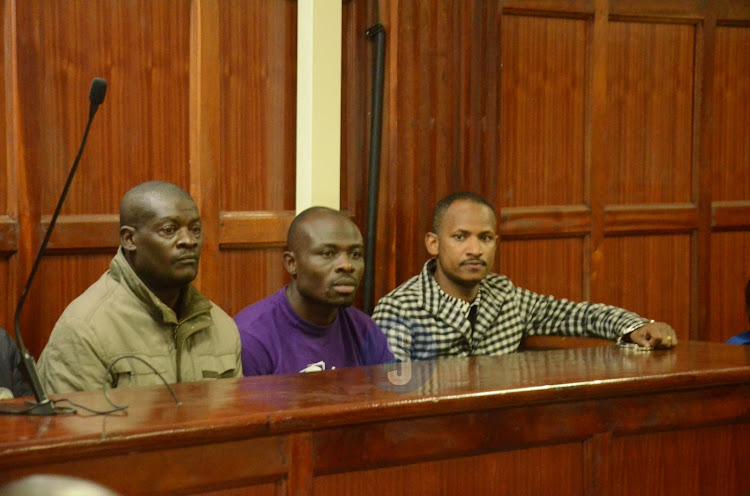
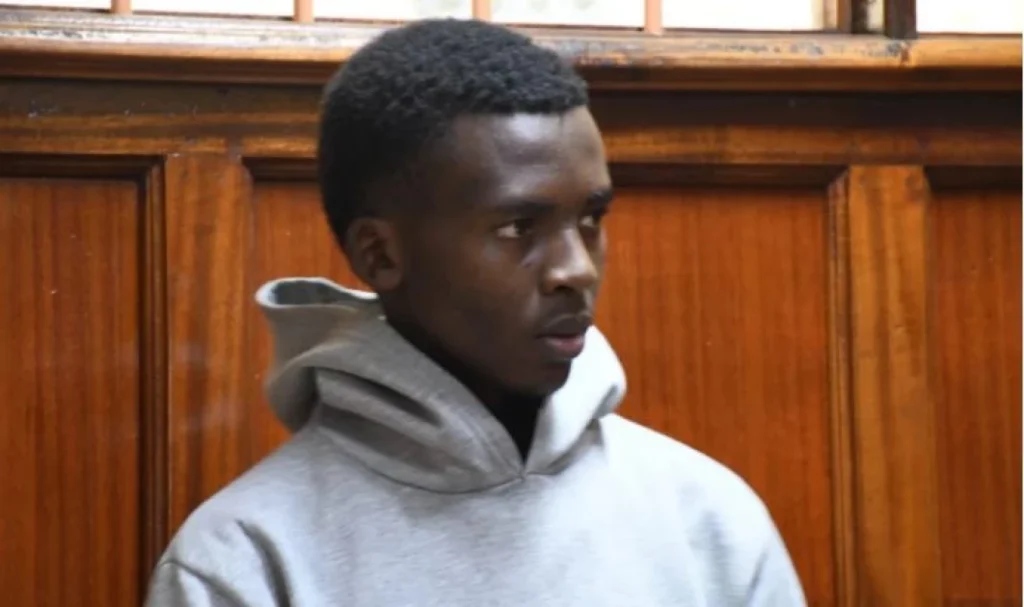
David Oaga Mokaya, a university student accused of publishing false information regarding President William Ruto, is set to face a full trial. Mokaya allegedly shared an image of a funeral procession on social media, misleadingly claiming it involved the President. The case has gained significant public attention, with the court confirming that no directives have been issued by the Director of Public Prosecutions (DPP) to withdraw the charges.
The Controversial Post
Mokaya is accused of posting the contentious image on his X account (formerly Twitter) under the handle “Landlord @bozgabi” on November 13, 2024. The image depicted a casket draped in the Kenyan flag, escorted by military officers in ceremonial attire, and falsely suggested it was President Ruto’s body leaving a funeral home.
Prosecutors argue that the post was deliberately fabricated to spread misinformation, an allegation Mokaya denies.
Legal Proceedings and Defense Stance
The matter was mentioned in court on Wednesday, where prosecutors requested a hearing date. Mokaya, represented by lawyer Danstan Omari, sought clarity on whether President Ruto would be called to testify in the trial.
Omari also questioned the charges, arguing they raise important constitutional issues about a citizen’s right to criticize their leaders, including the President.
“The student is charged with publishing a casket on Twitter. I have written to the DPP to review the charges on the citizen’s right to criticize their leader,” Omari stated.
The Law Society of Kenya (LSK) joined the defense in questioning the jurisdiction of the case and whether the President would be summoned as a witness.
Trial Scheduled for May
The court, siding with the prosecution, scheduled the trial to commence on May 29, 2025. The defense did not object to the dates, signaling their readiness to proceed.
Public Reactions and Implications
This case highlights the delicate balance between freedom of expression and accountability for spreading false information online. It also underscores the potential legal risks associated with sharing unverified content on social media platforms.
As Kenya grapples with rising concerns over digital misinformation, the outcome of this trial could set a precedent for how such cases are handled in the future.