A landmark ruling by the High Court has directed Aga Khan Health Service Kenya to pay over Ksh.157 million in damages to a woman and her husband following a botched surgical procedure that caused severe physical, emotional, and financial distress.
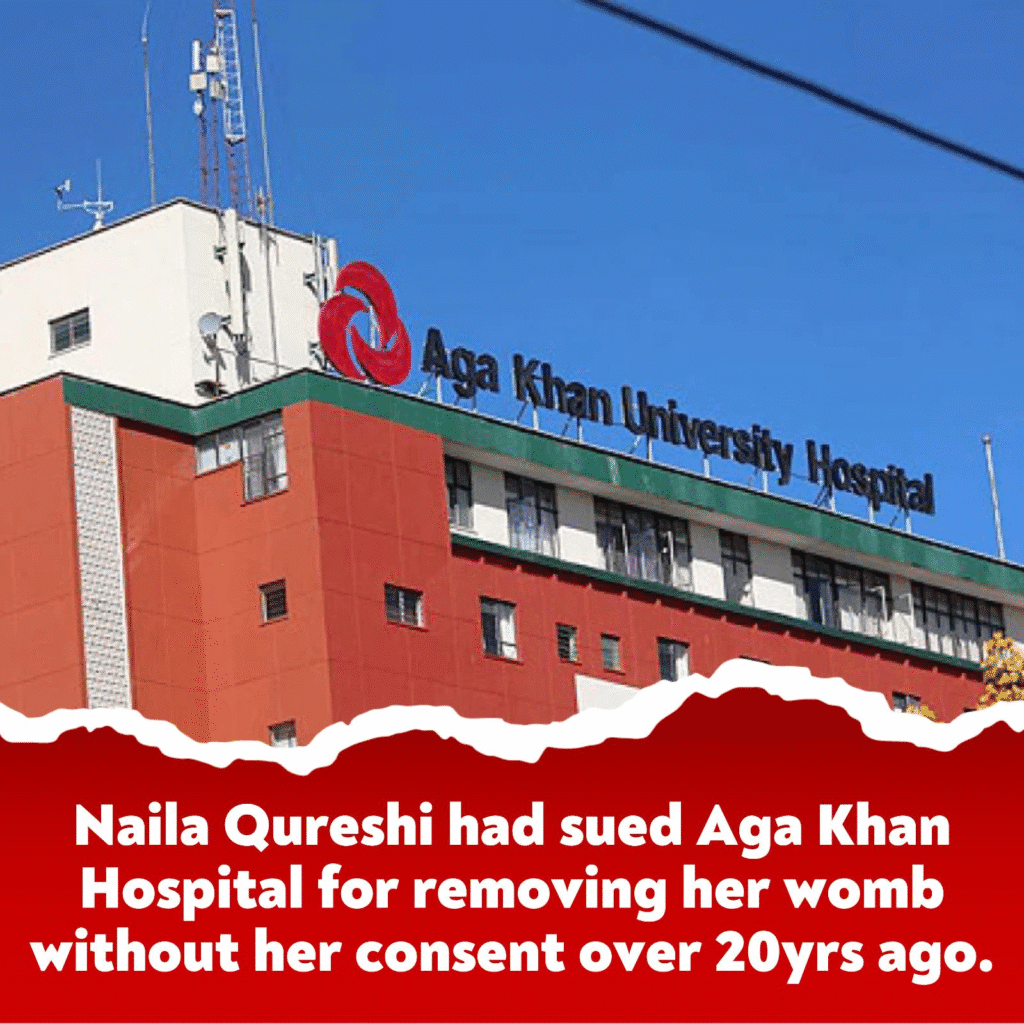
Justice Alexander Muteti determined that the hospital’s gynecologist, identified as the first defendant, negligently performed an unauthorized removal of the patient’s cervix during a surgery in September 2006. The procedure was initially consented to for the removal of her uterus and ovary. The court found this action to be a gross violation of the patient’s rights and medical ethics.
Devastating Impact of Negligence
The unauthorized surgical procedure inflicted life-altering injuries on the patient, leading to significant losses, including her employment and earning capacity. The court acknowledged that both the woman and her spouse suffered a loss of amenities and consortium, severely impacting their quality of life.
Hospital Held Accountable
Although a second defendant, another medical practitioner, was cleared of negligence, the hospital was found culpable for breaching its duty of care. Evidence revealed that the hospital allowed the gynecologist to practice despite knowing of his prior disbarment from medical practice in Uganda.
The court further noted that the hospital lacked critical diagnostic tools, such as a flexible cystoscope, which delayed the detection and treatment of complications. These deficiencies forced the patient to seek specialized care in South Africa at additional expense.
Court-Ordered Compensation
The High Court ruled that the plaintiffs successfully substantiated their claims, warranting both special and general damages totaling Ksh.157 million.
The woman testified that the removal of her cervix caused profound harm, including the loss of sexual enjoyment and her ability to fulfill marital intimacy. This, coupled with the financial burden of ongoing medical treatment, underscored the need for compensation.
Justice Muteti affirmed the plaintiffs’ right to recover costs for future medical care, as the injuries necessitate continuous and specialized treatment.
Broader Implications
This ruling underscores the critical need for accountability and adherence to medical ethics within healthcare institutions. The judgment also highlights the court’s commitment to protecting patients’ rights and holding healthcare providers to the highest standards of care.