By OUR CORRESPONDENT
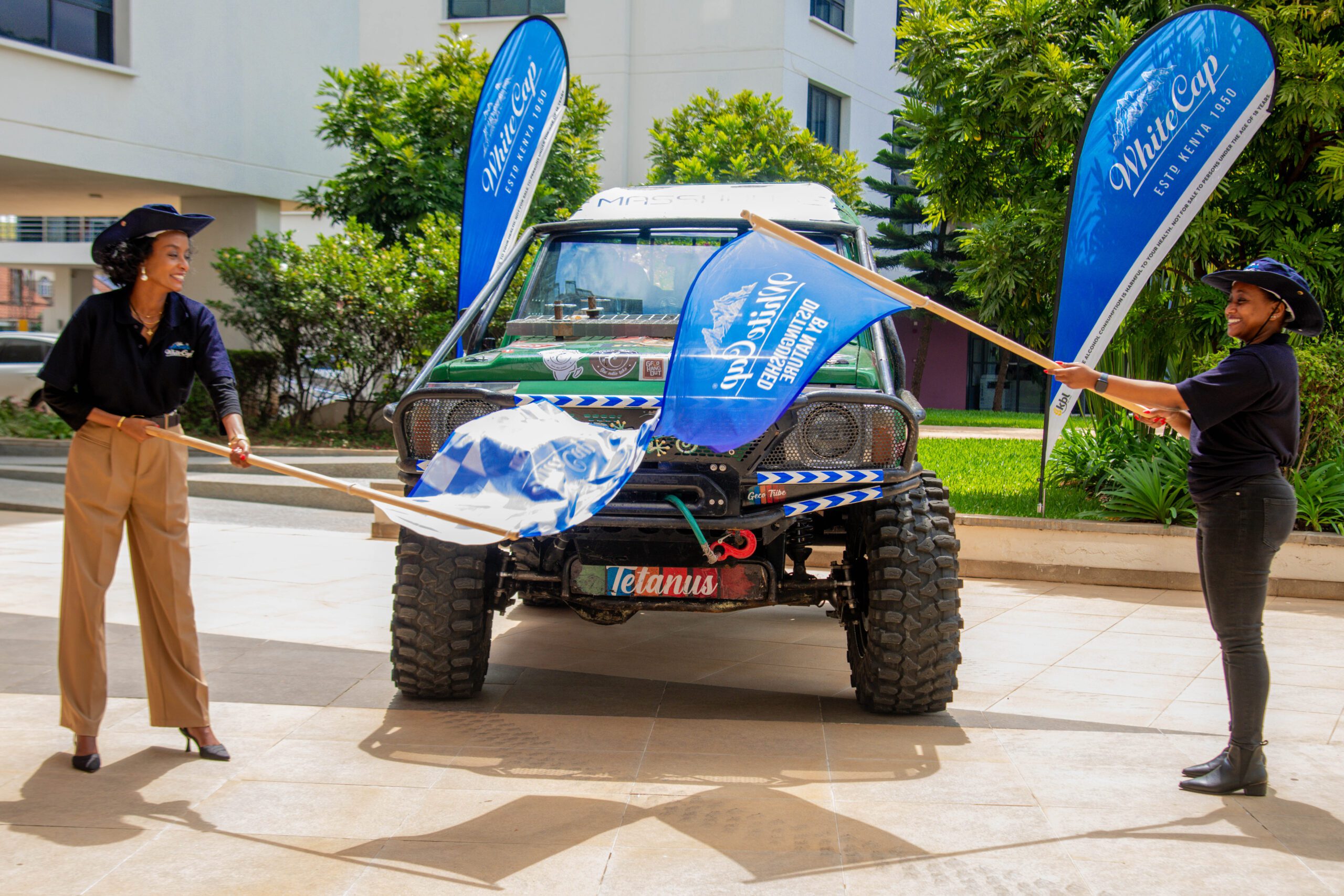
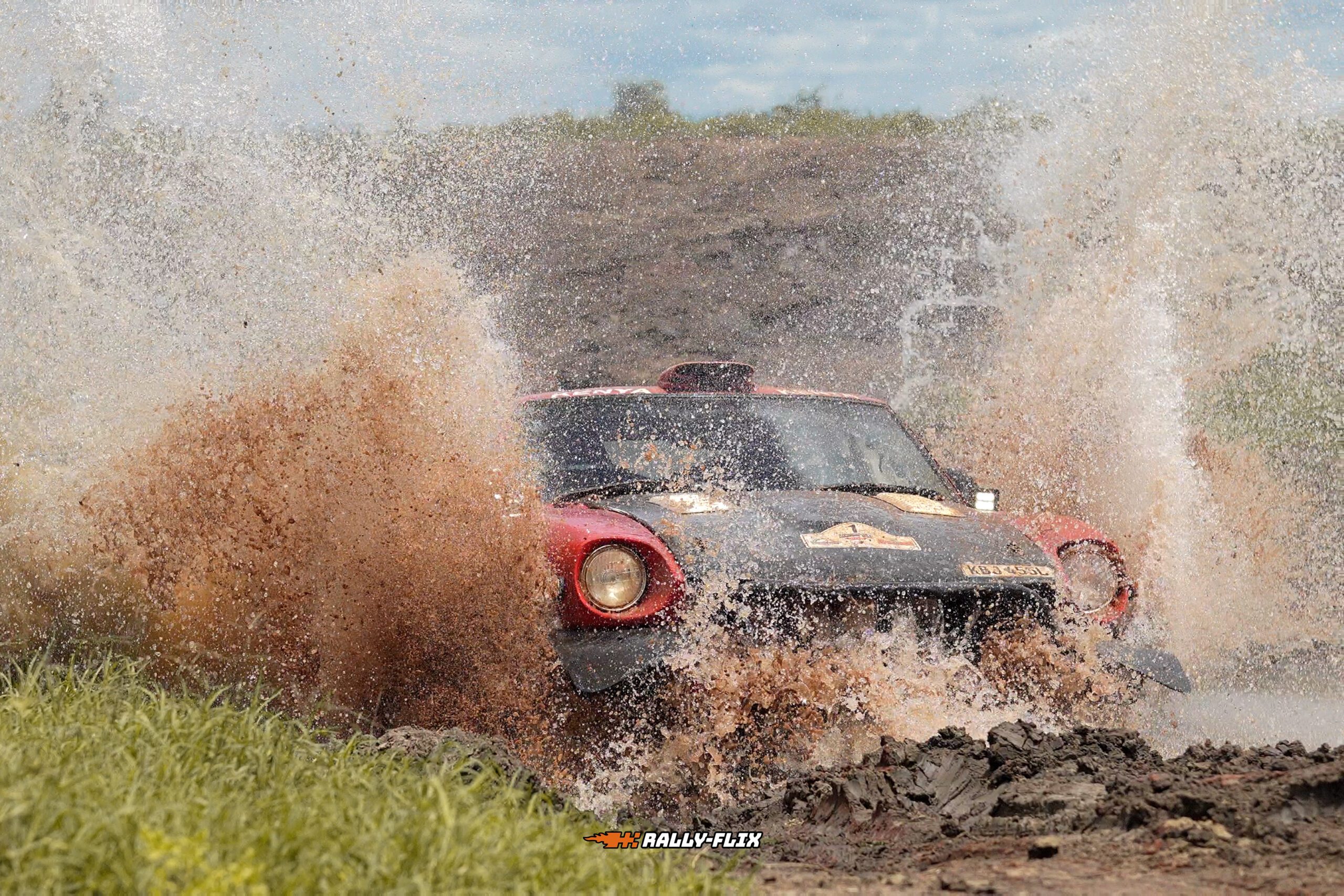
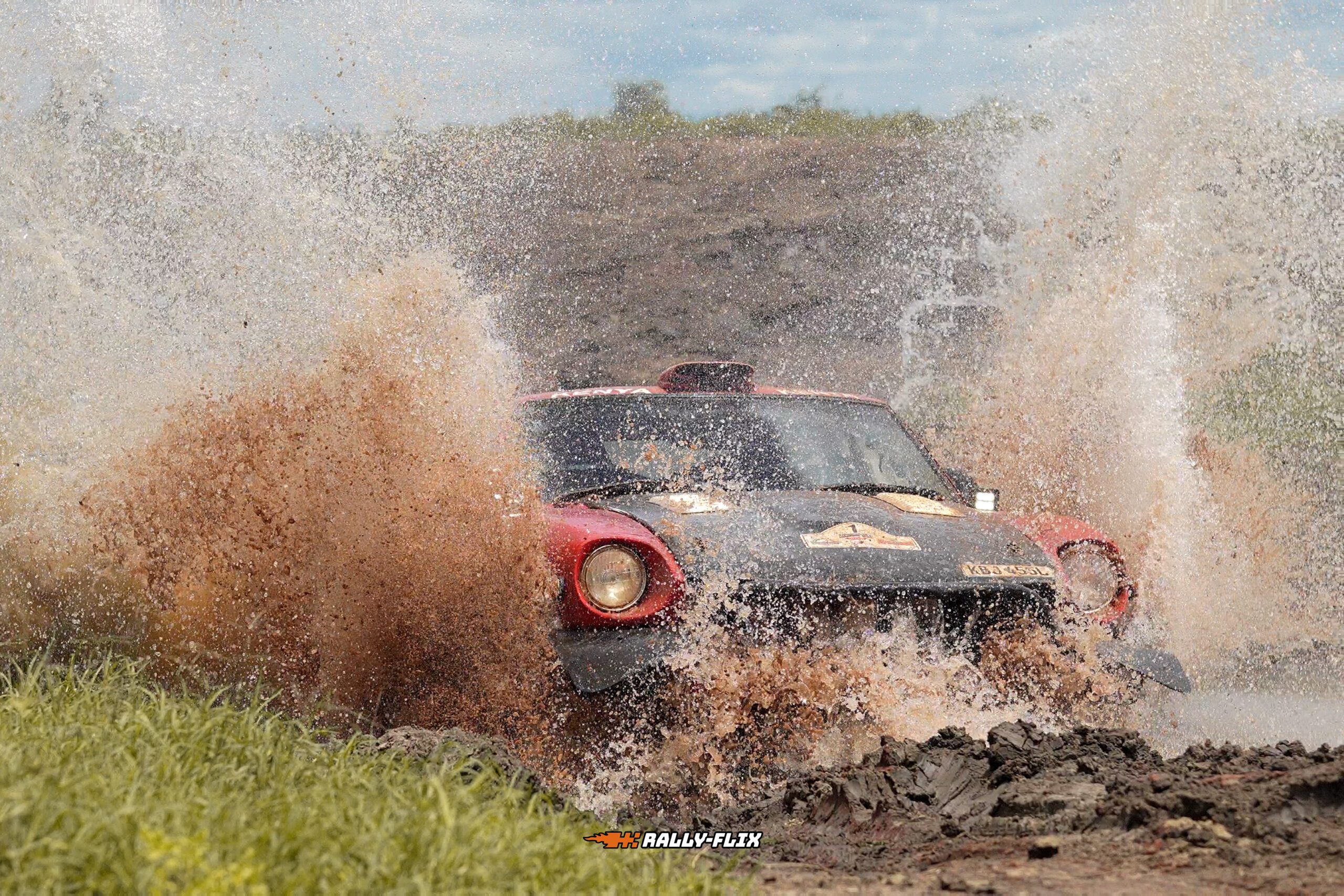
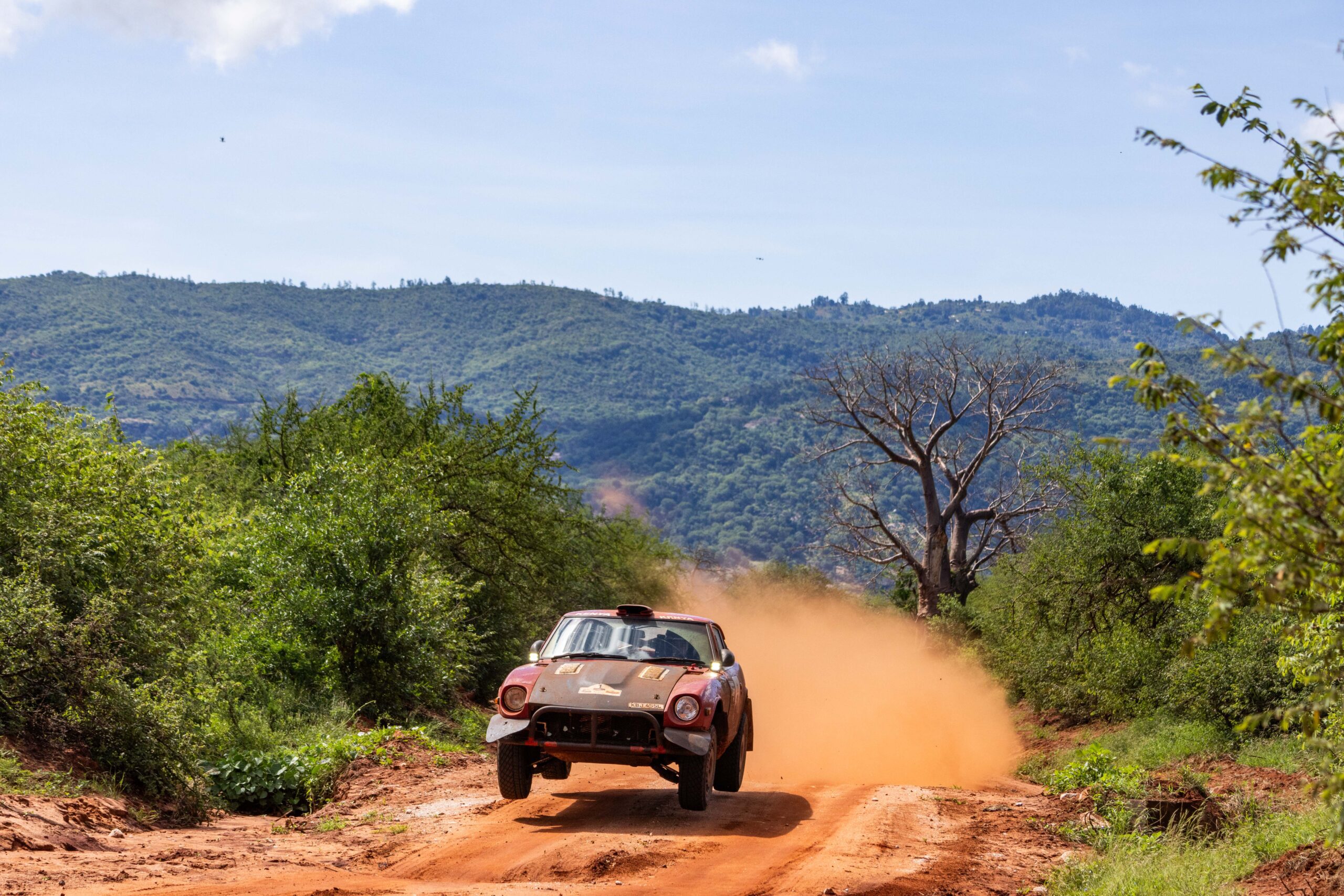
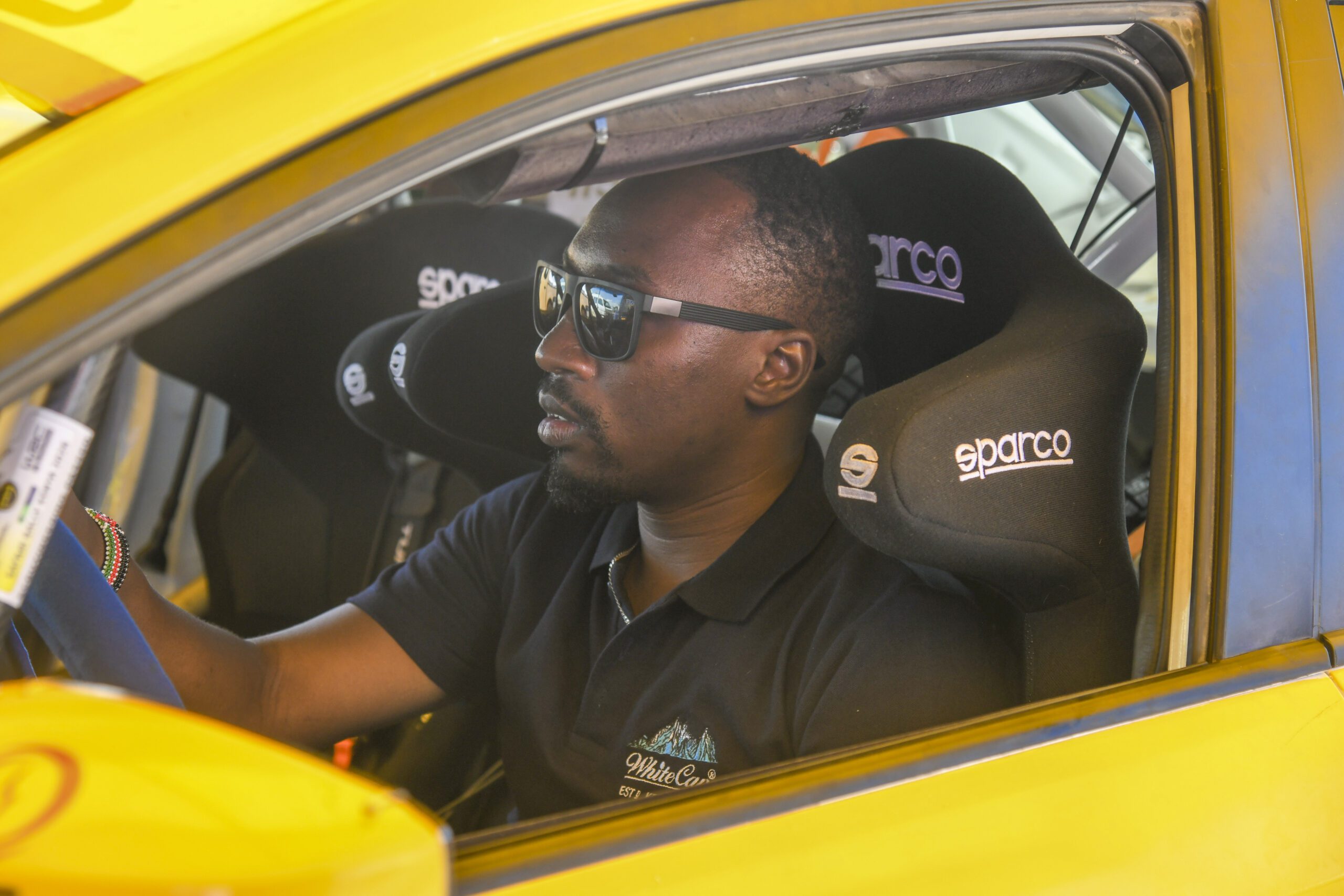
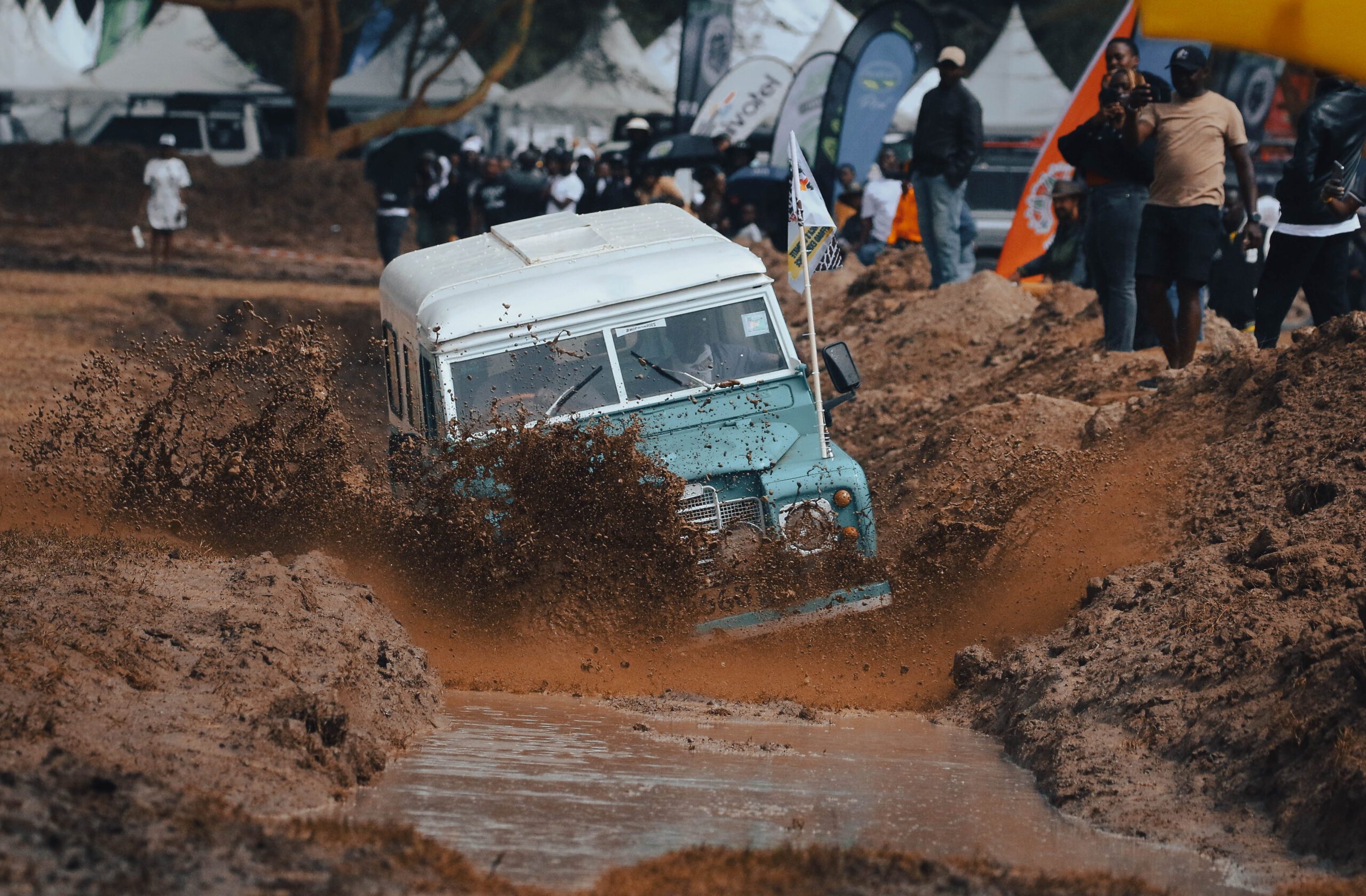
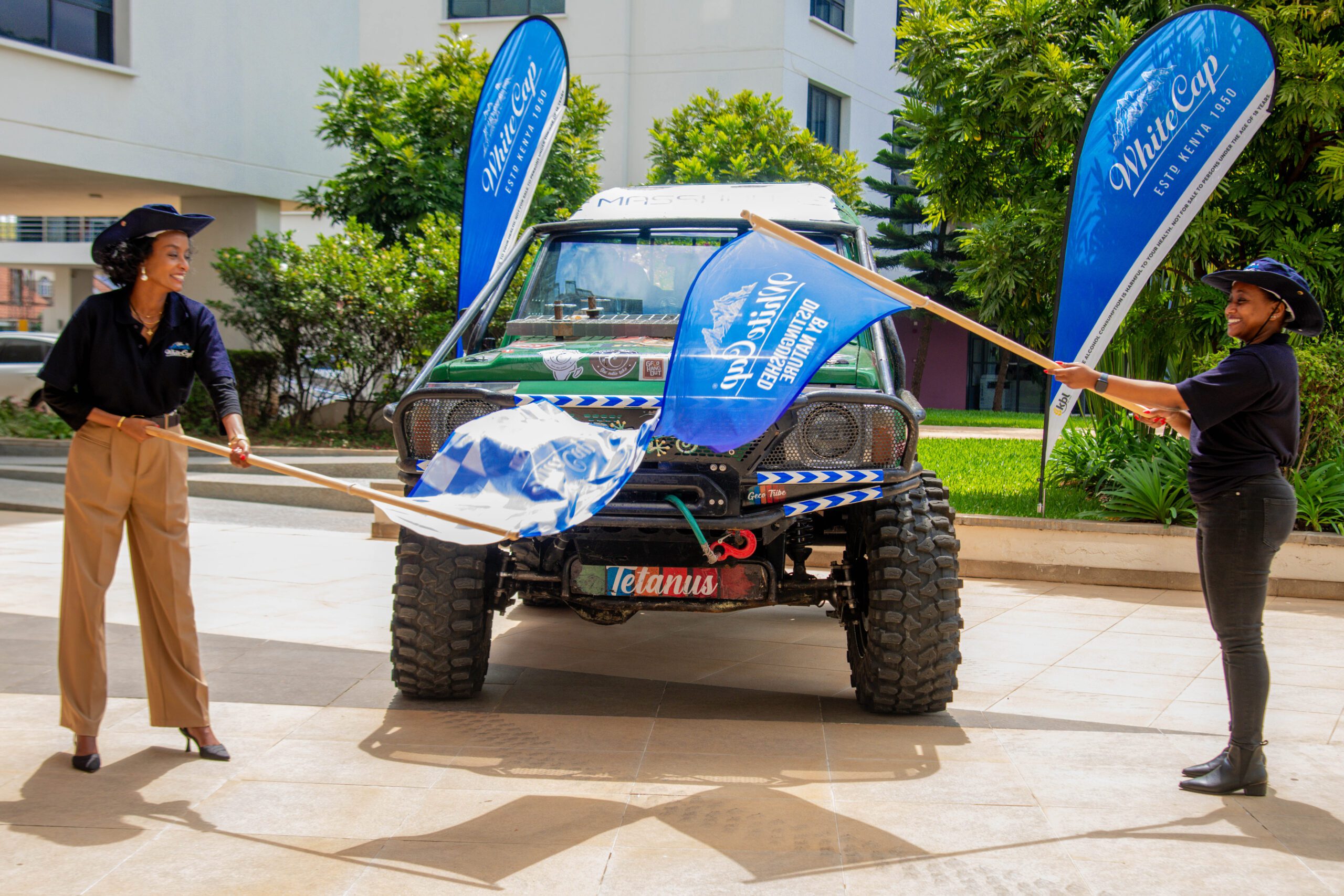
A Kenyan team sponsored by Kenya Breweries through its White Cap brand is set to make Rhino Charge history this month with a fully electric off-road competition vehicle built locally for one of the country’s toughest motorsport events.
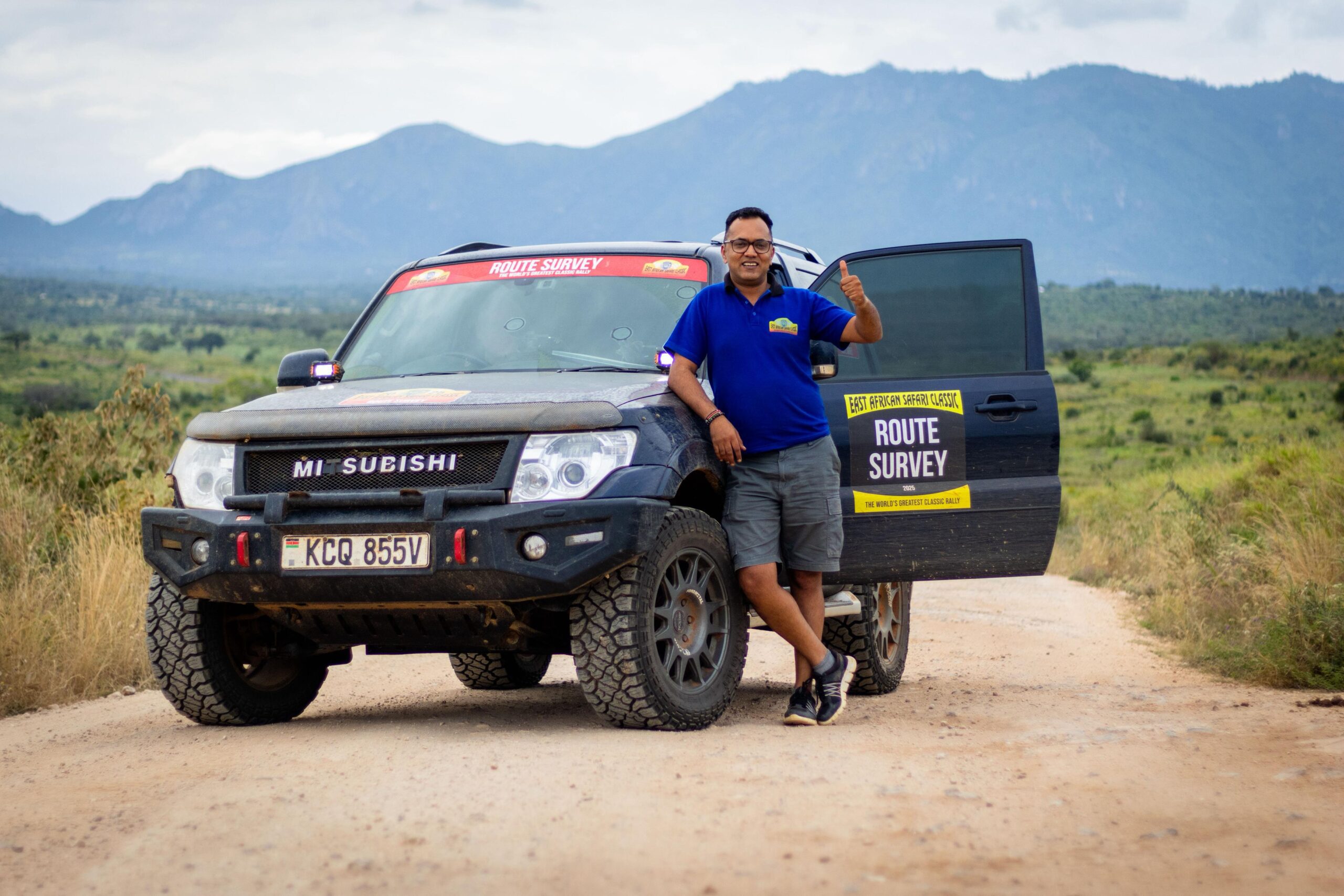
EV Explorers, led by Timothy Kabiru, will take on the 2026 Rhino Charge in Samburu County this Saturday, with a re-engineered electric vehicle that is not only pushing the boundaries of sustainable mobility, but also spotlighting Kenya’s growing innovation and engineering potential.
Kabiru said the team’s journey with the Rhino Charge began in the late 1990s after attending the event as spectators.
“We fell in love with the event immediately. Beyond conservation, the Rhino Charge gives you a chance to experience Kenya in its rawest form. It takes you across different parts of the country and creates a real appreciation for our environment and landscapes,” he said.
Shortly after their first experience, the group formed a team and began competing using a Jeep J8 powered by a 6-litre V8 engine. Over nearly a decade, the team completed the Rhino Charge five times, with their best performance being a fifth-place finish.
After taking a break from competition, the team began rethinking how they could return to the event in a way that aligned more closely with the conservation values championed by the Rhino Charge.
“Three years ago, we challenged ourselves not just to compete again, but to rethink how we compete. If the event is about conservation, then how do we participate while conserving at the same time? That is what inspired the idea of building a fully electric vehicle,” Kabiru explained.
The EV Explorers made their competitive debut last year with the electric vehicle, successfully completing six checkpoints before mechanical challenges forced them to retire from the race.
“The car performed exceptionally well, but we underestimated the amount of torque produced by the electric drivetrain. We broke the transfer box and lost four-wheel drive, which meant we could not continue,” he said.
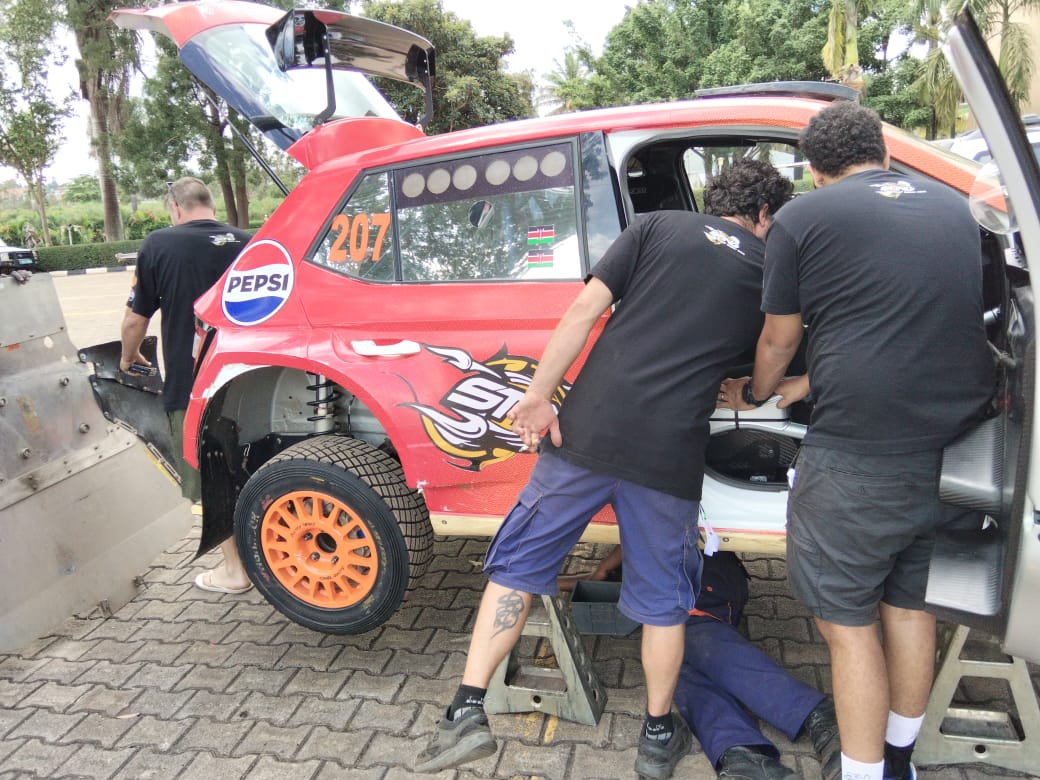
Since then, the team has spent months redesigning and reinforcing the vehicle, including installing a heavy-duty transfer box, strengthening the drivetrain and prop shafts, recalibrating throttle response, and introducing additional safety and performance enhancements.
Kabiru expressed confidence in the improvements made ahead of this year’s event.
“There are still many unknowns because nobody has really competed with a fully electric vehicle in the Rhino Charge before, but we are learning every day and we are hopeful that this year we can complete the event,” he said.
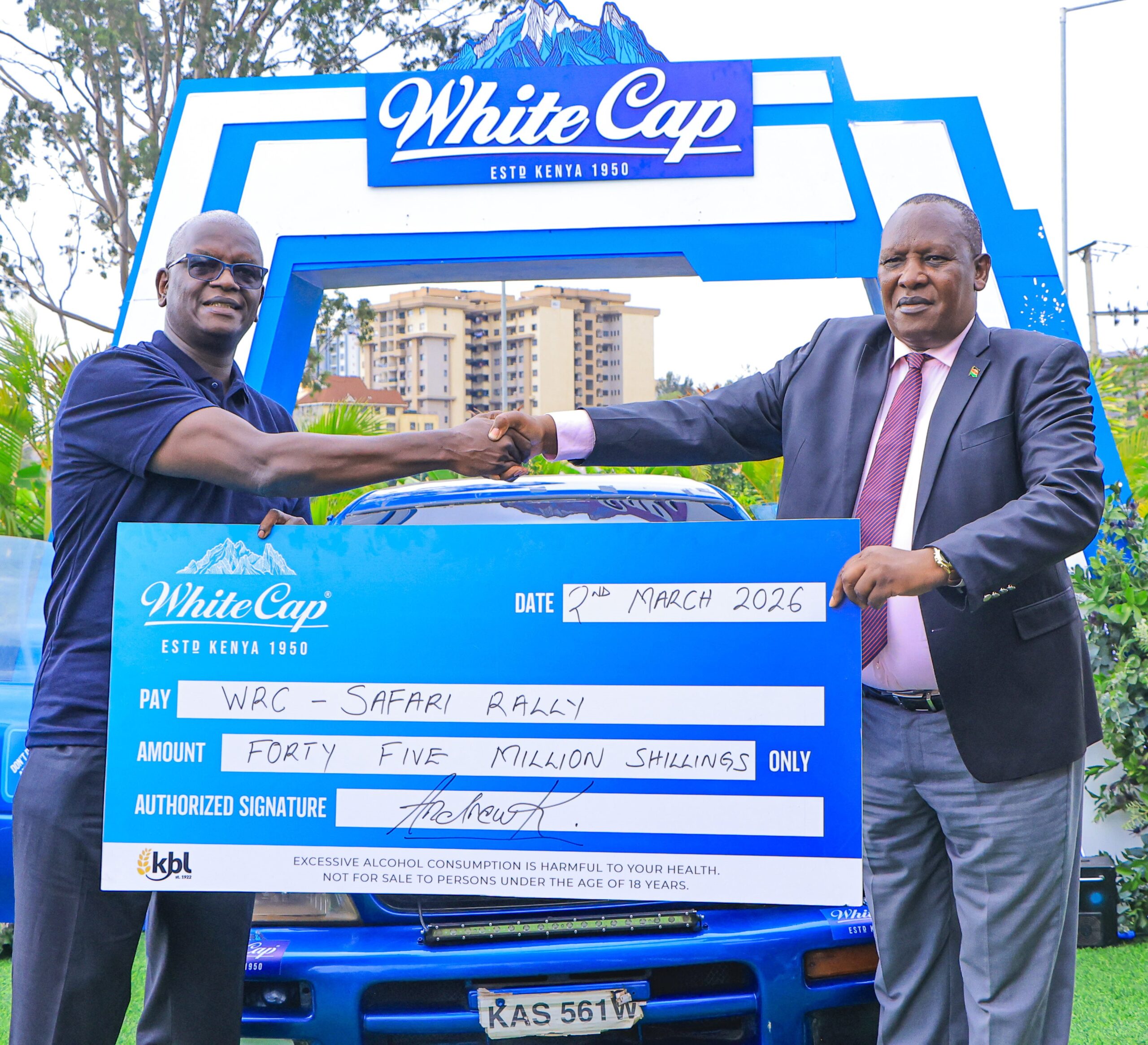
The project has also attracted support from corporate partners, including White Cap, one of the sponsors backing the team’s participation this year.
According to Kabiru, the partnership reflects a shared commitment to conservation, sustainability, and Kenyan innovation.
“The EV Explorers and White Cap share many of the same values. We are both passionate about protecting Kenya’s natural beauty and creating sustainable solutions locally. Support from corporate partners is critical because events like the Rhino Charge require enormous resources, and partnerships help drive awareness around both conservation and innovation,” he noted.
Beyond the competition itself, the team hopes the project can inspire wider conversations around electric mobility and local manufacturing capability in Kenya.
“We are proud that this is a 100 percent Kenyan-built vehicle. We hope it can inspire young people, encourage innovation around electric mobility, and maybe even help spark an industry around converting combustion vehicles into electric vehicles or eventually building our own Kenyan electric vehicles for everyday use,” Kabiru added.
The 2026 Rhino Charge will take place in Samburu County on May 30, bringing together competitors, conservationists, and adventure enthusiasts in support of environmental conservation efforts led by Rhino Ark Charitable Trust.