
Nairobi, Kenya – A new report has revealed that intimate partner violence (IPV) is the most widespread form of abuse among young women in Nairobi, affecting 28.4% of those in relationships. The findings come from the Performance Monitoring for Action (PMA) Agile 2.0 Nairobi Youth Cohort 2024 survey, which investigated the prevalence of gender-based violence (GBV) and related social issues in the city.
The study highlights that more young women are coming forward about physical and sexual violence, but non-partner sexual violence (NPSV) remains less common, with 5.8% of partnered women reporting such cases.
Shocking levels of unreported abuse
According to Prof. Peter Gichangi, Principal Investigator at PMA Agile, nearly one in five young women in Nairobi have experienced physical assault within the past year, and over 20% have endured sexual violence. Disturbingly, a significant number remain silent due to fear, stigma, or lack of support.
“The data shows that many survivors do not speak out. Over one in five partnered young women reported sexual violence in the past year, yet too many still suffer in silence,” said Prof. Gichangi.
Technology-facilitated abuse on the rise
The survey also uncovered that almost half of young people with internet or phone access are exposed to technology-facilitated abuse, including online harassment, controlling behavior via digital platforms, and reproductive coercion. Such abuse, according to Gichangi, quietly erodes autonomy, leading to emotional distress, depression, and in some cases, suicidal thoughts.
Menstrual stigma remains a barrier to progress
The study further revealed that over 75% of young women in Nairobi still face menstrual stigma, which continues to hinder education, work attendance, and community participation. While there has been a slight improvement from 2023 to 2024, progress remains slow.
“Menstrual stigma is not just a health issue; it limits women’s opportunities in school, the workplace, and society,” Gichangi emphasized.
Call for urgent action
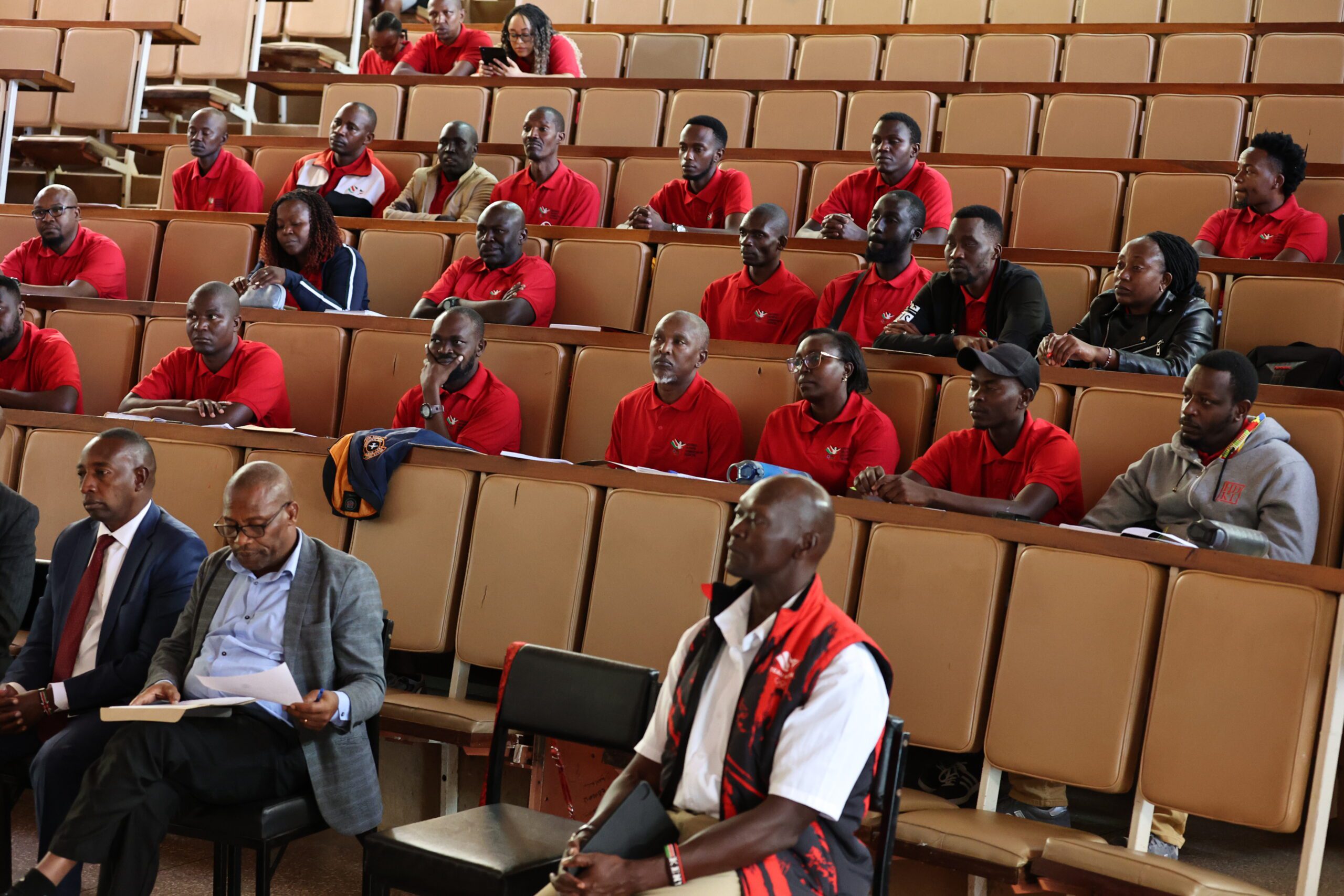
Speaking during the survey launch at Githurai Grounds, Roysambu, the Deputy Vice-Chancellor for Academic Affairs, Research, and Extension at the Technical University of Mombasa stressed that the findings must guide resource allocation and policy development.
Prof. Gichangi identified fear, shame, cultural barriers, and lack of trust in authorities as the main obstacles preventing survivors from seeking help. He urged leaders, policymakers, and community members to work together to end GBV.
“Ending gender-based violence is not a solo mission. We must unite, strategize, and act decisively to eliminate all forms of violence against our youth,” he said.
Way forward
The PMA Agile report calls for youth-centered interventions, robust support systems, and targeted public awareness campaigns. Gichangi appealed to stakeholders to ensure survivors have access to legal protection, counseling, and safe reporting channels without fear of retaliation.
The study, running from October to December 2024, also covers issues like gender norms, sexual and reproductive health, and family planning. The researchers hope their work will spark policy changes and community action to protect Nairobi’s young women.