

The online ride-hailing industry in Kenya has been thrown into turmoil following shocking allegations against a Nairobi-based Bolt driver identified as Moses Wandera, who is accused of preying on unsuspecting female passengers.
The disturbing accusations surfaced after a young woman bravely took to social media to share her terrifying ordeal, a confession that has since gone viral across multiple platforms.
The Survivor’s Shocking Testimony
According to the victim, what began as a routine late-night ride through the Bolt app quickly turned into a nightmare. She alleged that the driver manipulated the situation and took advantage of her vulnerability during the trip.
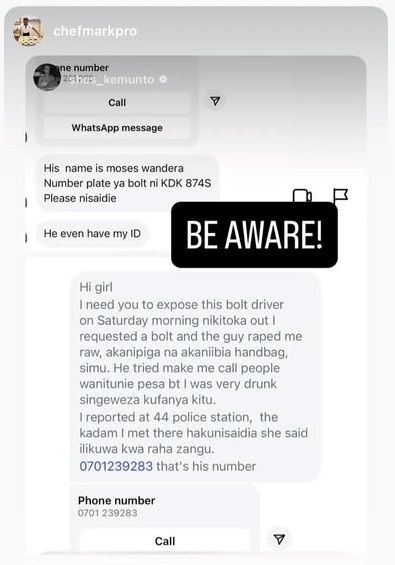
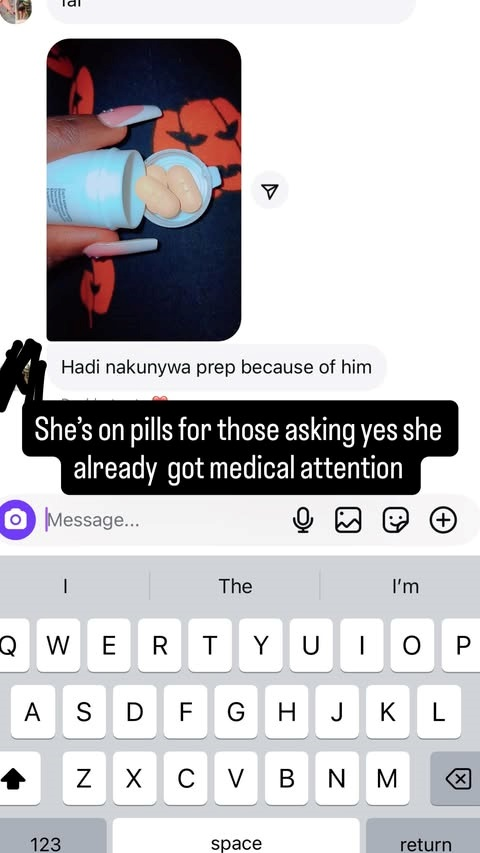
In her viral post, she revealed that despite immediately reporting the incident to the authorities, no meaningful action has been taken against the driver. To make matters worse, she disclosed that she is currently on post-exposure prophylaxis (PEP) medication to reduce the risk of contracting HIV after the traumatic experience.
Photos of the Alleged Rogue Driver Go Viral
Soon after her revelation, photos of Moses Wandera began circulating widely online, with thousands of Kenyans expressing outrage and calling for his immediate arrest. Social media platforms were flooded with hashtags such as #BoltSafety and #JusticeForSurvivors, demanding that ride-hailing companies take urgent steps to address growing safety concerns within the industry.
Public Anger and Demand for Justice
The case has sparked a heated public debate in Kenya, highlighting two key issues:
- Passenger Safety: Many women have admitted they often feel unsafe using ride-hailing apps, especially at night.
- Lack of Accountability: Victims claim that both law enforcement and ride-hailing companies are slow to act when complaints are made.
This particular case has reignited calls for stringent background checks, improved vetting processes, and stricter driver monitoring systems on platforms like Bolt, Uber, and Little Cab.
Bolt Under Pressure to Act
As the story continues to gain momentum, Bolt Kenya is under immense pressure to respond. Safety advocates argue that while ride-hailing has transformed urban transport, failure to protect passengers threatens to erode public trust in these services.
Analysts note that such incidents not only tarnish the company’s image but also discourage women from using digital transport services, thereby affecting the industry’s growth.
The Bigger Picture: Ridesharing Safety Concerns
This is not the first time Kenyan ride-hailing services have faced backlash. Similar cases of harassment, theft, and assault have been reported in recent years. Experts now argue that the ride-hailing industry must balance convenience with safety, especially in cities where crime remains a pressing concern.
For many Kenyans, this story serves as a wake-up call that stronger legal frameworks, transparent investigations, and harsher penalties must be enforced to protect vulnerable passengers.