In Soito village, Marsabit County, an inspiring transformation is unfolding as residents work collectively to eliminate open defecation. Once plagued by unsafe sanitation practices, the community of Lorokushu, with over 65 households, now boasts a remarkable achievement — every homestead has either completed a pit latrine or is constructing one.
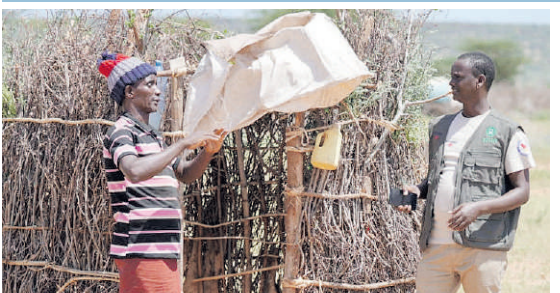
At the forefront of this change is Peter Leisido, a respected elder coordinating the sanitation project. So far, 25 pit latrines have been constructed, with more underway. He explains that every family has committed to building a latrine within a few meters of their homes, alongside a handwashing station often fashioned from a small jerrycan filled with clean water.
For residents like Celina Letore, this progress has been life-changing.
“We used to relieve ourselves in the bushes, which was dangerous, especially at night due to snakes or wild animals. Now, with latrines, we feel safer and more dignified,” she said.
The 2019 Kenya Population and Housing Census revealed that counties such as Marsabit and Samburu account for over 85% of the country’s open defecation cases. The risks are dire: during the rainy season, human waste contaminates water sources, spreading diseases like cholera, diarrhoea, and stomach infections.
Since Soito embraced latrine construction, cases of waterborne diseases have dropped significantly, especially among children and the elderly. This shift directly addresses a national crisis where more than 6,600 children under five die annually from diarrhoea, with 80% of those deaths linked to poor sanitation and unsafe water.
The turnaround was not without challenges. According to Hokile Boku, the project manager with the Pastoralist Community Initiative and Development Assistance (PACIDA), misconceptions initially slowed adoption.
“Some elders associated pit latrines with graves. Through education and sensitisation, they came to understand the health benefits. Today, those same elders are among the strongest advocates for sanitation,” he said.
With funding support from Australia’s Department for Foreign Affairs and Trade (DFAT) through Oxfam Kenya, PACIDA rolled out the program across Soito and seven neighbouring villages. The initiative is rooted in the Community-Led Total Sanitation (CLTS) model, which encourages households to use locally available materials such as timber, tree branches, clothing, and ash to build latrines.
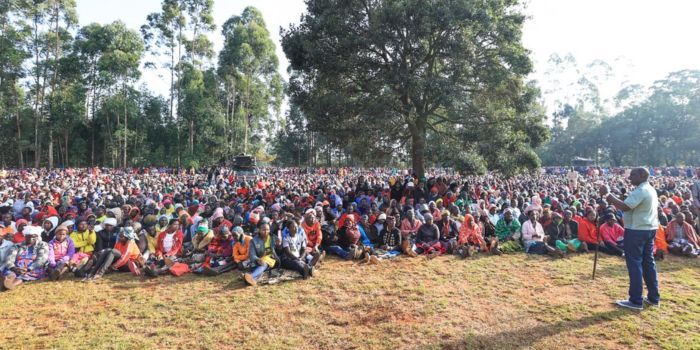
The results are tangible. In August, seven villages, including Soito, were officially declared open defecation free during a ceremony attended by county and subcounty health officials. Local leaders, including Korr/Ngurunit ward chief Charles Leparasanti, were recognised with certificates for their commitment to sanitation.
Ward MCA Daud Arkhole praised the initiative for significantly reducing sanitation-related illnesses. He urged consistent monitoring, especially for migrating pastoralist communities, to prevent a return to open defecation practices.
From bushes to cemented pit latrines, Soito’s story demonstrates the power of community action, cultural transformation, and health awareness. For lasting impact, advocates stress the need for greater government involvement to embed sanitation in both county and national policies.
What began as a grassroots campaign is now a shining example of dignity, safety, and self-determination in rural Kenya.