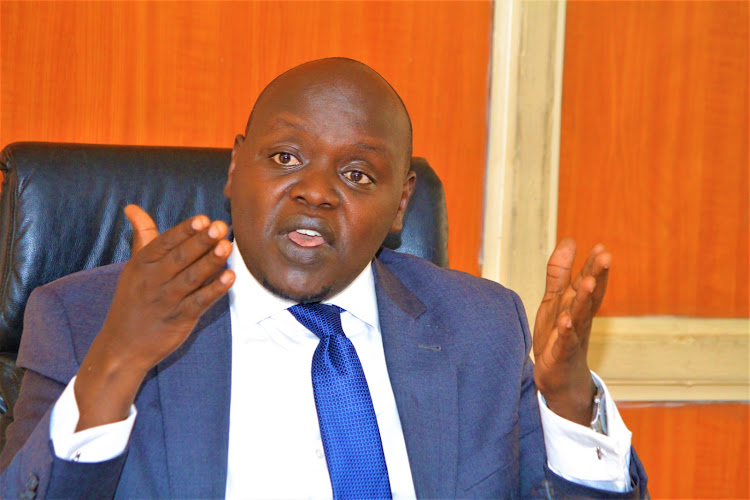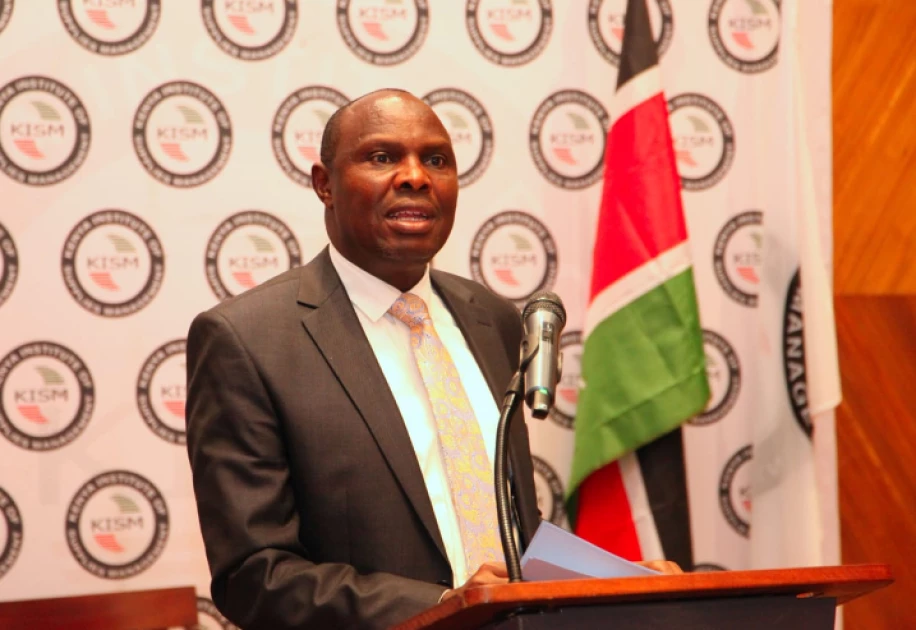
Former Chief Justice David Maraga has strongly criticized the Kenyan government’s handling of recent protests, accusing it of misusing terrorism laws to intimidate and silence Generation Z demonstrators.

Speaking on Wednesday, July 16, Maraga expressed concern over what he described as a dangerous strategy to criminalize youthful dissent under the guise of fighting terrorism. He argued that the Ruto administration is deliberately slapping protesters with terrorism charges—not for the merit of evidence, but to deny them bail and keep them locked up indefinitely.
“These charges are not about justice—they are about control,” said Maraga. “Most of these young people are under 25, some barely 18, yet they’re facing terrorism accusations in cases where no credible evidence exists to prove any terror-related activity.”
GOVERNMENT ACCUSED OF ABUSING ANTI-TERROR LAWS
According to Maraga, the use of terrorism statutes is a calculated attempt to traumatize the youth, discourage civic engagement, and exert fear on families and communities. He noted that terrorism is a capital offense with strict bail conditions, ensuring suspects often remain in custody for years, regardless of the case’s outcome.
“The goal is simple,” Maraga added, “To instill fear, suppress activism, and send a message that questioning the government has dire consequences.”
EIGHT MORE PROTESTERS CHARGED WITH TERRORISM
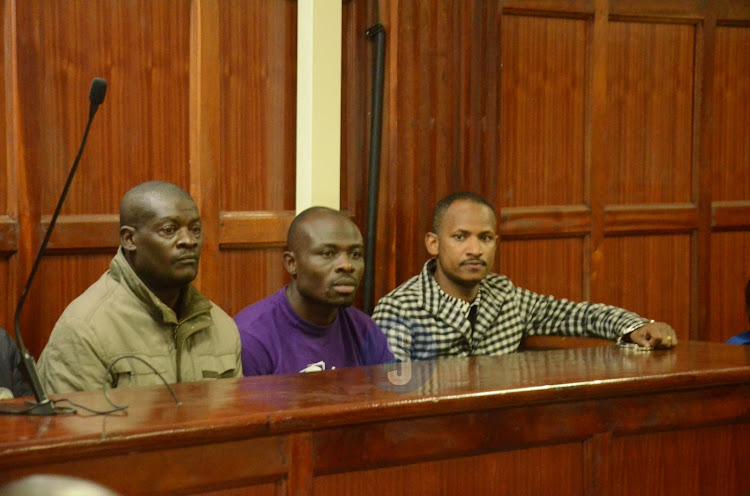
Maraga’s remarks came just hours after eight more protesters were charged with terrorism at Kahawa Law Courts. The group had been arrested in connection with the torch attack on Mawego Police Station in Homa Bay during demonstrations sparked by the death of Albert Ojwang.
Initially held under a court order from Oyugis Law Courts, the suspects were re-arrested on July 14 and transferred to the Anti-Terrorism Police Unit (ATPU) in Nairobi for further investigations—raising more alarm from civil rights groups.
SURGE IN TERRORISM CASES AGAINST YOUTH SINCE JUNE PROTESTS
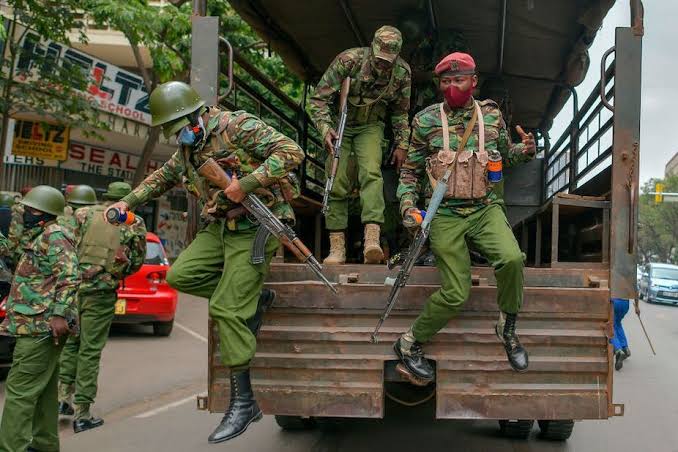
This incident follows a growing trend. Just last week, 37 individuals, including two known political allies of Deputy President Rigathi Gachagua, were also charged with terrorism following violent protests in Kikuyu. The protests resulted in damage to several public offices, including law courts, administrative buildings, and police posts.
The State argues that such actions—vandalism, arson, and mob attacks—amount to domestic terrorism, a claim heavily disputed by human rights defenders and legal experts.
MOUNTING PRESSURE ON RUTO ADMINISTRATION
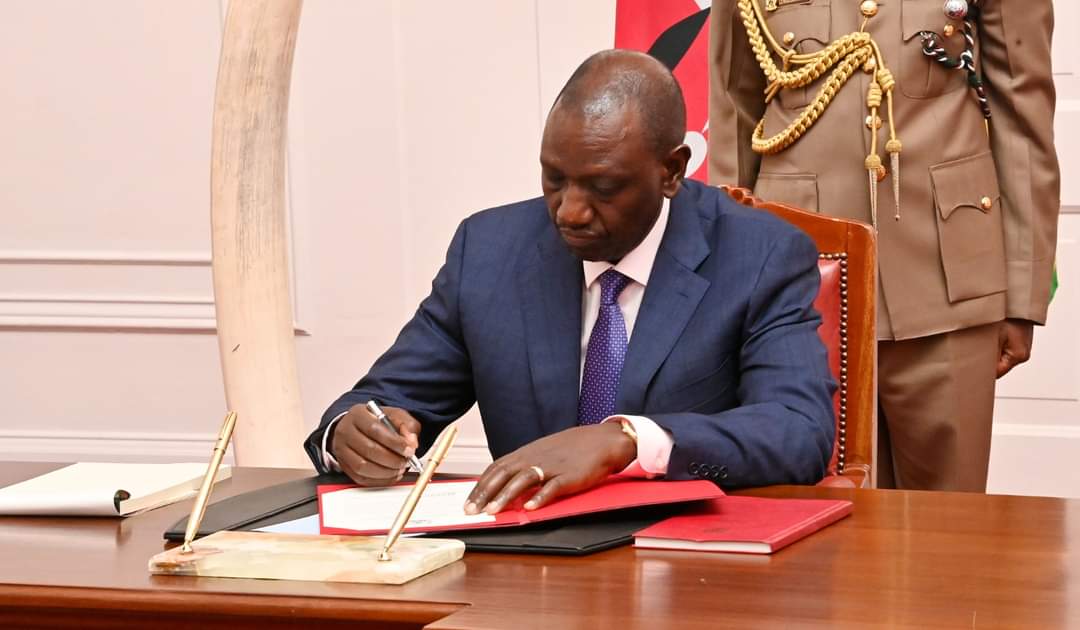
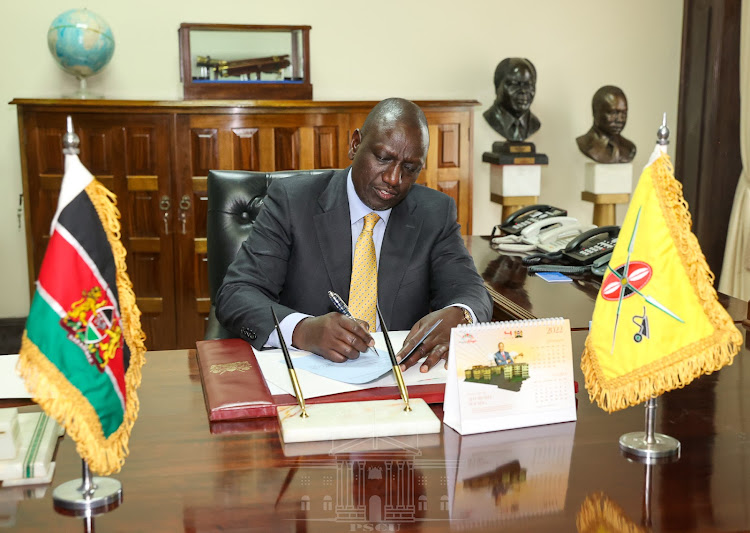
The accusations by Maraga have intensified calls for President William Ruto’s administration to reconsider its approach to civil unrest and youth-led protests.
Many see the government’s current strategy as a weaponization of the law to stifle opposition and dissent, especially from the Gen Z movement, which has been at the forefront of nationwide protests decrying economic hardship, police brutality, and lack of accountability.
With the 2027 General Election drawing closer, analysts warn that such actions could fuel greater unrest, deepen mistrust in state institutions, and spark international scrutiny.
“We are witnessing a dangerous erosion of civil liberties,” said one legal analyst. “Charging peaceful protesters with terrorism is a gross abuse of the law and a direct threat to Kenya’s democratic foundations.”