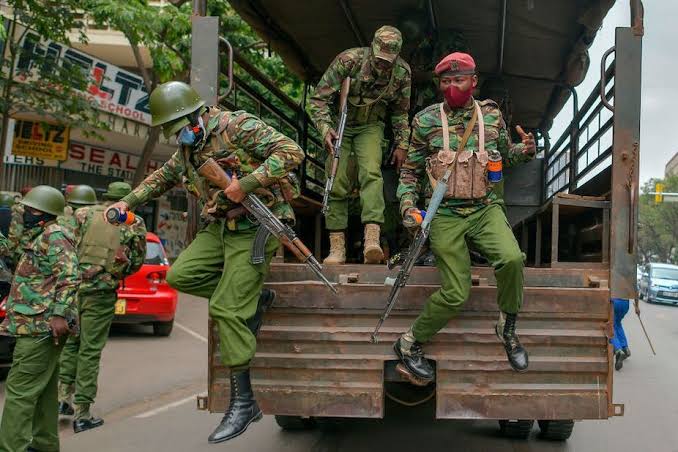
Police officers, doctors, immigration officers, and land registry staff top the list of most corrupt public servants in Kenya, according to the latest 2024 National Ethics and Corruption Survey by the Ethics and Anti-Corruption Commission (EACC).
The damning report sheds light on the rampant bribery in Kenya’s public sector, exposing which government departments and officials are most likely to solicit or receive bribes. This year’s findings reveal widespread corruption in essential services, with police, healthcare workers, and immigration officials named among the worst offenders.
🚨 KEY FINDINGS: WHO TAKES THE MOST BRIBES IN KENYA?
According to the EACC 2024 report, the top public servants receiving bribes are:
- Police officers – 29.93%
- National Registration Bureau officers – 19.7%
- Medical officers (doctors, clinical officers, nurses) – 9.53%
- Land registry officials – 7.39%
- Immigration officers – 5.8%
Other notable corrupt actors include:
- Health workers in public hospitals – 4.94%
- Chiefs and assistant chiefs – 3.95%
- MDAs (Ministries, Departments & Agencies) – 2.49%
- NTSA officers – 1.84%
- NSSF officials – 1.4%
- TSC officials – 1.22%
- County government employees – 1.21%
- MCAs – 0.94%
- Lands Commission staff – 0.83%
💸 HOW BRIBES ARE PAID: CASH DOMINATES
- Cash payments account for 99.5% of bribes in Kenya.
- Non-monetary bribes (food, drinks, etc.) made up just 0.5%.
Most bribes were paid before services were rendered:
- 75.6% paid before the service
- 18.5% paid during the service
- 3.1% paid after
- 2.8% paid partly before and after
📝 WHY KENYANS PAY BRIBES
The report highlights the top reasons Kenyans bribe public officers:
- 43.3%: Because the bribe was demanded
- 23.3%: It was the only way to access the service
- 18%: To avoid service delays
Shockingly, only 20.7% of respondents were satisfied with services received after bribing, while a massive 72.5% were dissatisfied.
📈 CORRUPTION TRENDS IN 2024
- In 2024, 25.4% of Kenyans were asked to pay a bribe, a steep increase from 17.7% in 2023.
- 17.1% of all service seekers admitted to paying a bribe to receive government services.
These numbers indicate a significant rise in institutional corruption, especially in essential services like policing, healthcare, and immigration.
👨⚖️ OTHER GOVERNMENT OFFICIALS NAMED IN THE REPORT
The report also spotlighted other departments and officers frequently mentioned in bribery complaints:
- Huduma Centre staff
- Kenya Revenue Authority (KRA) and tax officials
- Civil registration and prison officers
- Traffic police
- Prosecutors, magistrates, and judges
- DCI detectives and MPs
- Kenya Wildlife Service (KWS) officers
- Members of the Armed Forces
- National Treasury officials
- Social service officers
- Lecturers, teachers, and professors