In a landmark ruling, the UK High Court has ordered the British government to release the names and last known addresses of 11 British soldiers accused of fathering and abandoning children in Kenya during military deployments in the East African nation.
The historic judgment, delivered this week, compels HM Revenue & Customs and the Department for Work and Pensions (DWP) to disclose official records of the alleged fathers. The children—now older—have been fighting for years to gain access to their paternal identities, with many hoping for legal recognition, justice, and British citizenship.
📜 HISTORIC RULING TARGETS BRITISH ARMY TRAINING UNIT IN KENYA (BATUK)
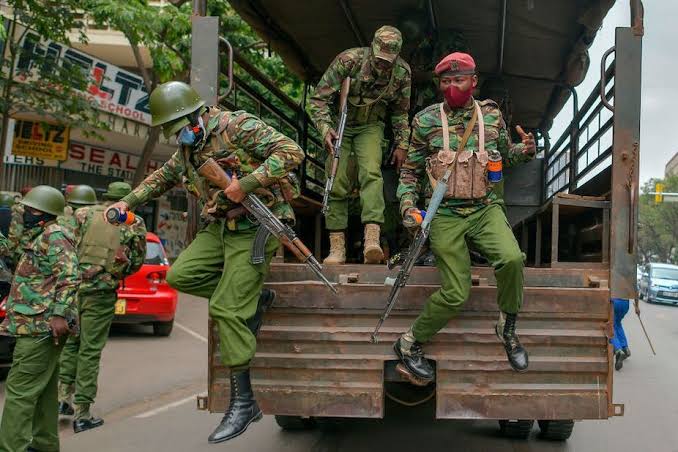
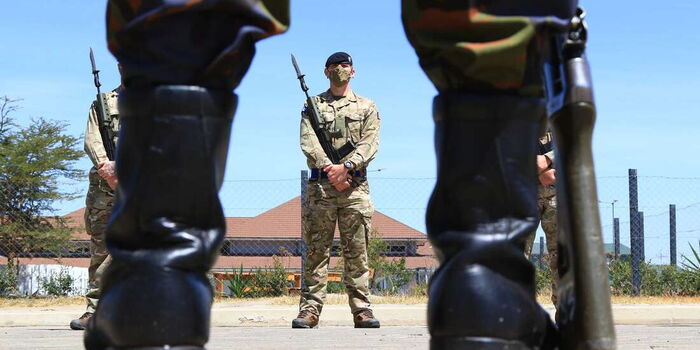
The case stems from long-standing allegations surrounding the British Army Training Unit Kenya (BATUK), based in Nanyuki, nearly 200 kilometers north of Nairobi. BATUK has conducted joint military exercises in Kenya for decades, but its legacy has become controversial.
Numerous Kenyan women have come forward, claiming they were impregnated by British soldiers—some consensually, others allegedly through coercion or sexual assault—only to be left without support or acknowledgment after the soldiers returned to the UK.
“These children have a right to know who their fathers are,” said one of the legal representatives involved in the case. “It’s about identity, justice, and holding former colonial powers accountable.”
🧬 ABANDONED CHILDREN SEEK LEGAL RECOGNITION AND CITIZENSHIP
The plaintiffs—children born from these relationships—are not only seeking names, but also the right to have the men legally declared as their biological fathers, which could pave the way for British nationality, inheritance claims, and child support.
In many instances, the soldiers allegedly ignored or denied repeated contact attempts from the women or their children. Several of them are said to have married and started new families in the UK, completely cutting ties with their past in Kenya.
“We’ve been treated like secrets. But we are people, and we deserve our identities,” said one adult child whose mother was allegedly abandoned by a British soldier.
🚫 MOTHERS FACE STIGMA, CHILDREN FACE RACIAL DISCRIMINATION
Beyond abandonment, these women have faced intense stigma for raising children of mixed heritage in rural Kenyan communities, often being accused of chasing foreign men for financial gain.
Children reported racism, discrimination in schools, and difficulty securing jobs due to their appearance and lack of paternal recognition. Some mothers say they are charged more school fees because their children are “white” or assumed to be rich.
“They see our children’s skin color and assume privilege. But we’re the ones who’ve struggled alone,” said one mother from Laikipia County.
🏛️ UK AND KENYA FACE DIPLOMATIC PRESSURE OVER BATUK ACCOUNTABILITY
Attempts by Kenyan lawmakers to investigate sexual misconduct and abuse linked to the British military presence have often stalled, sparking accusations of state cover-ups and undermining trust in UK-Kenya defense cooperation.
Legal and human rights activists are now urging both governments to adopt a policy of transparency and accountability, especially where children’s welfare and rights are involved.
The UK court’s ruling may mark a turning point, as it could set a global precedent for holding foreign troops accountable for post-colonial era abuses in host nations.