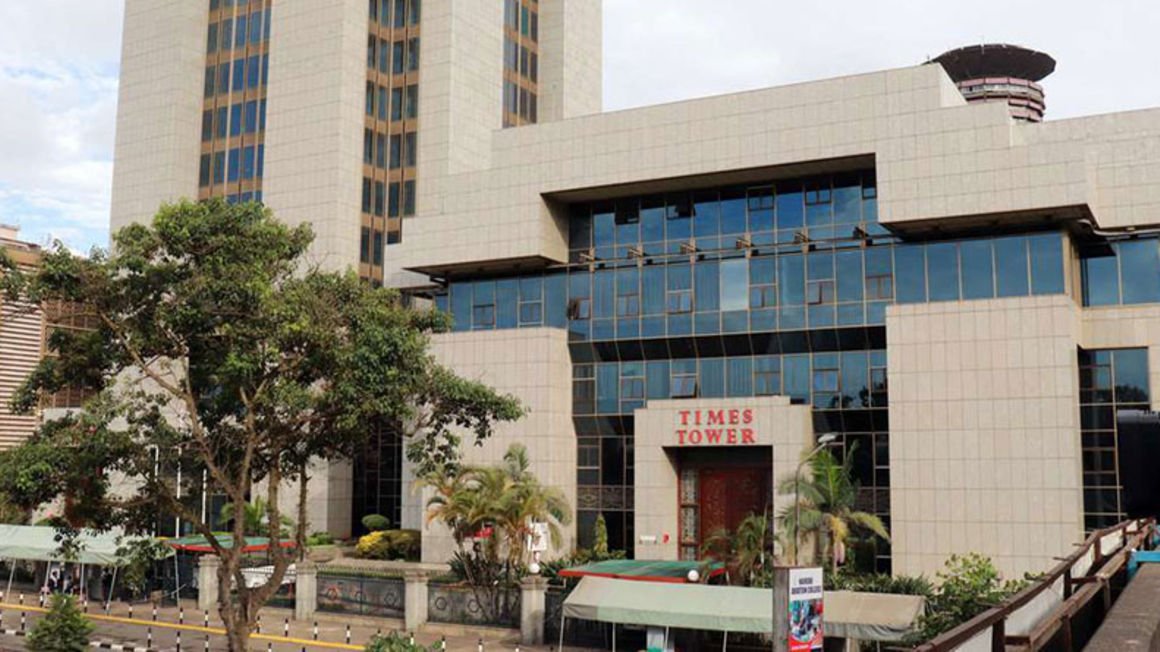

The Social Health Authority (SHA) has officially shut down all its regional and sub-county offices across Kenya, including seven branches in Nairobi. The move has left thousands of staff in limbo and raised concerns about access to health services, job security, and the future of healthcare reforms in the country.
SHA OFFICES CLOSED NATIONWIDE
The regional offices that were once part of the defunct National Health Insurance Fund (NHIF) have now been closed as SHA pushes for structural reforms. Managers have been recalled to the headquarters in Nairobi, while other employees have been redirected to county health offices. However, insiders report that many staff members have no clearly defined roles, with some staying at home waiting for instructions.
One source explained:
“Some employees have been redeployed to county offices but without designated duties. Most just report to the office and spend the day idle.”
IMPACT ON STAFF AND SERVICE DELIVERY
The sudden closure has left many staff frustrated. Employees from branches that were not located within county headquarters now face long commutes with little or no work to do. For example, workers who previously served in Naivasha must now travel daily to Nakuru, only to spend the day without meaningful assignments.
Another insider claimed that the restructuring appears to be a strategy to frustrate staff and indirectly push them to resign or transfer into the public service.
Currently, Nairobi, which previously hosted eight SHA branches, is left with only the Upper Hill office in operation.
WHY SHA CLOSED REGIONAL BRANCHES
Attempts to get an official statement from SHA leadership were unsuccessful. However, in a memo dated July 29, 2025, SHA CEO Dr. Mercy Mwangangi explained that the closures were part of a cost-cutting and efficiency strategy.
The memo stated:
- The restructuring aims to centralize operations.
- It will reduce administrative expenses.
- It will pave the way for digitization of health processes.
- It will align staff with the new Social Health Insurance framework.
All branch managers were instructed to secure and hand over SHA assets following the closure.
OVERSEAS MEDICAL TREATMENT STILL AVAILABLE
Despite the shutdown of regional offices, SHA has maintained its program for overseas medical treatment under the Social Health Insurance Act (2023) and the Social Health Insurance Regulations (2024).
- Patients can access treatment abroad worth up to Ksh 500,000 per person annually, but only for conditions that cannot be treated in Kenya.
- The Benefits Package and Tariffs Advisory Panel (BPTAP) determines eligible services each year.
- All overseas hospitals must be accredited in their home country, recognized in Kenya, and contracted by SHA before patients can be referred.
The Ministry of Health emphasized that this program will involve all stakeholders, including SHA members, referring specialists, local hospitals, the Kenya Medical Practitioners and Dentists Council, and accredited overseas facilities, ensuring seamless medical coordination.
THE BIGGER PICTURE – WHAT THIS MEANS FOR KENYANS
The closure of SHA’s regional offices has sparked debate about the accessibility of health services and the government’s commitment to health reforms. While the authority insists that the move is meant to streamline operations and embrace digital healthcare, critics argue that ordinary Kenyans will face more barriers in accessing vital services.
For employees, the situation has created uncertainty, job insecurity, and frustration, with many questioning whether the authority values their contribution.